
On the evening of November 22, 2026, the quiet rhythm of Alexandra Efyimenko Street in Kharkiv was broken by a sudden, violent burst of gunfire. What should have been a standard moment of transit for a high-ranking officer became a scene of immediate tragedy. A major of the Ukrainian Air Force, a man tasked with the vital responsibility of heading a training complex at a military university in Lviv, was standing outside a residential building when the shots rang out.
He was not in Kharkiv by chance. The major was in the city on official duty, accompanied by cadets, performing the essential work of military instruction and leadership. The suddenness of the attack left no room for defense. The shooter fired three shots, striking the major with lethal precision.
In the chaotic seconds following the three shots, the assailant did not linger to witness the aftermath. The shooter fled the scene immediately, disappearing into the Kharkiv night and leaving investigators to piece together a puzzle of ballistics and shadows. The precision of the attack suggested something more calculated than a random act of violence; it felt like a mission with a specific target and a definitive end.
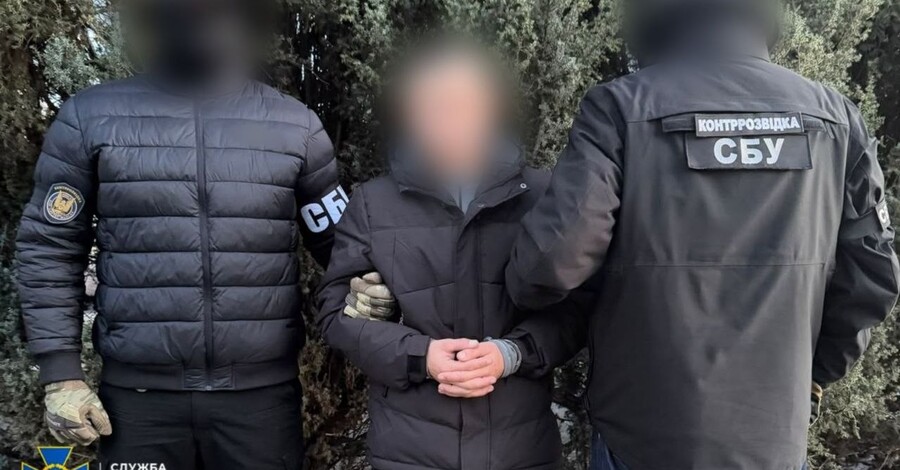
The man in custody was identified as a 23-year-old resident of Vinnytsia Oblast.
The silence following the murder was short-lived. Within days, the momentum of the investigation shifted from the streets of Kharkiv to the cells of law enforcement. On November 26, 2026, authorities announced they had successfully detained a suspect in connection with the killing.
The man in custody was identified as a 23-year-old resident of Vinnytsia Oblast. He was not a stranger to the legal system, carrying with him the weight of a previous criminal conviction.
As investigators peeled back the layers of the crime, the motive emerged not from political ideology or personal vendetta, but from a cold, transactional calculation. The investigation revealed a grim reality: the assassination was a paid job. Authorities claim that the 23-year-old suspect had been hired to carry out the killing, operating under a contract that turned a human life into a line item in a ledger.
The price for the major's life was set at $15,000. This bribe, intended to secure the suspect's services, transformed a street corner in Kharkiv into a site of professional execution. The revelation that a high-ranking military official could be targeted for such a specific sum underscores the calculated nature of the violence that struck the city.
By the same day as his detention, November 26, 2026, the legal machinery began to turn against the suspect. Formal charges were filed, moving the case from a frantic manhunt into the structured environment of the judicial system. The transition from suspect to the accused marks the first step in a process that will seek to account for the three shots fired and the $15,000 that motivated them.
The case stands as a stark reminder of the shadows that can fall upon even the most routine official travels, driven by the dark intersection of criminal intent and financial reward.