In the quiet corridors of the Supreme Court of India, a procedural battle is unfolding that cuts to the heart of how citizens are counted. The issue is not just about a list, but about the right to be seen. On November 16, 2026, Rahul Gandhi and a group of opposition leaders from the INDI alliance filed a petition seeking permission to question the Election Commission of India. The target of their inquiry is the 'SIR' process, a procedure related to the revision of voter lists, and the alleged deletions that have followed. The petition is dense, containing 48 specific questions that the opposition wants answered directly by the Commission's officials.
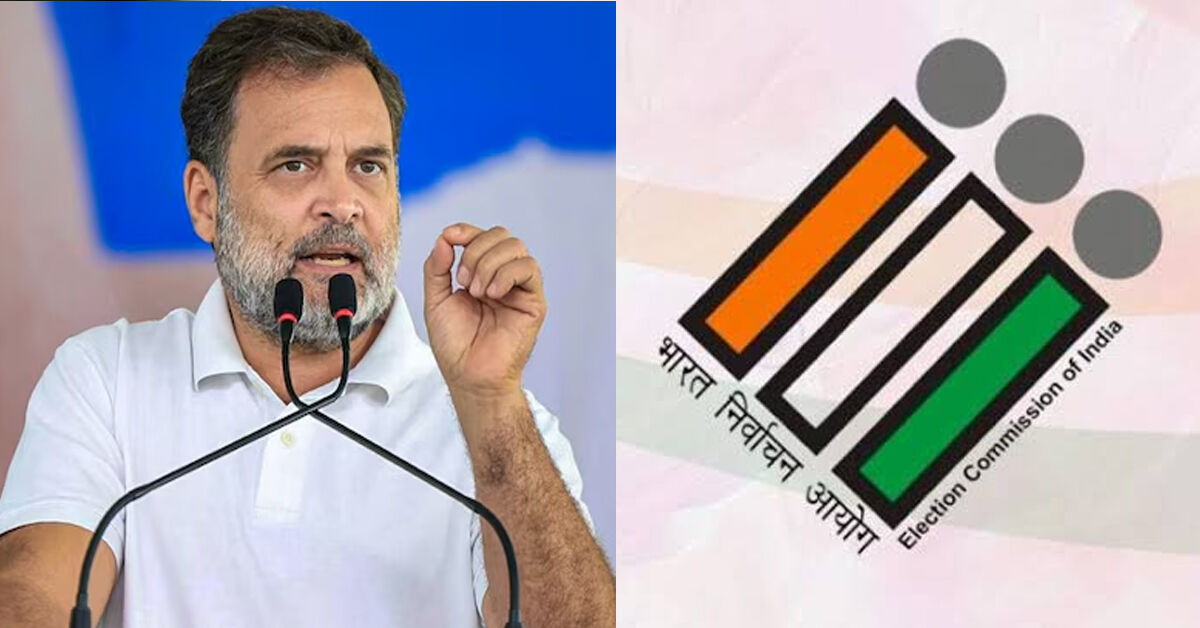
The core of the legal maneuver is a request for permission to question. In the Indian judicial system, parties do not automatically get to cross-examine government agencies in the same way they might in a civil dispute. The opposition leaders are asking the court to allow them to press the Election Commission on the details of the 'SIR' implementation. This is not a general political grievance filed for the record; it is a targeted legal instrument designed to extract specific explanations regarding why certain names may have been removed or how the revision was conducted. The number 48 is significant here; it suggests a comprehensive audit of the process, moving beyond anecdotal complaints to a structured list of administrative actions.
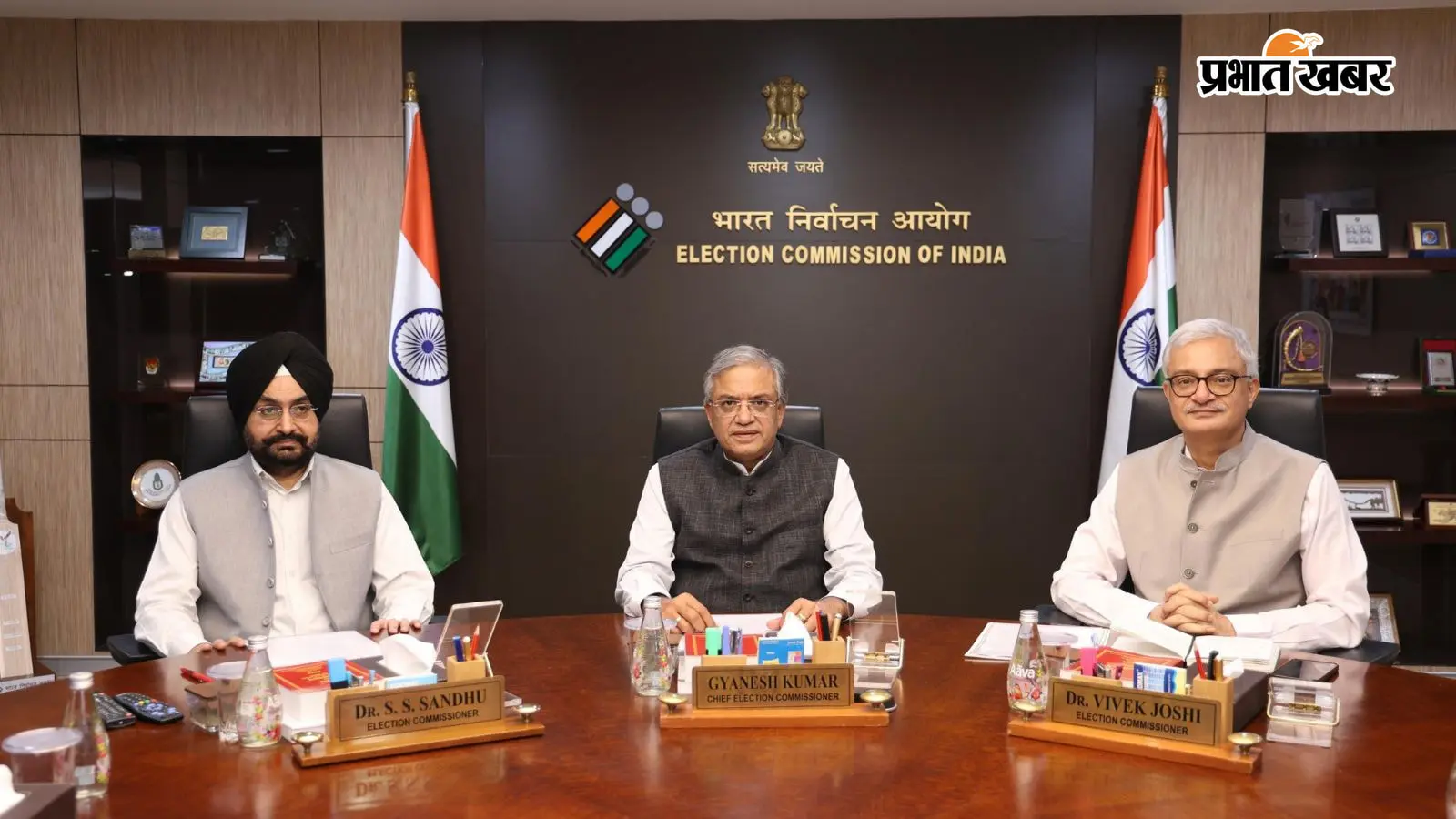
The Election Commission of India has responded to the scrutiny with a claim of internal unity. According to the Commission, all decisions concerning the 'SIR' process were taken unanimously by its members. This stance is designed to shield the process from accusations of political bias or internal conflict. By asserting consensus, the Commission argues that there is no internal disagreement to expose and no hidden agenda to unpack. It presents the revision of the voter list as a technical, non-partisan exercise carried out by a unified body. For the Commission, the unanimity serves as a badge of legitimacy; if everyone on the Commission agrees, the logic implies, the outcome must be sound.
For Rahul Gandhi and the broader INDI alliance, this is not merely a bureaucratic technicality.
Amidst the procedural arguments, a specific document has become a flashpoint: Form 6. The Election Commission has stated that it did not modify Form 6. This claim adds a layer of technicality to the dispute. It suggests that the opposition is not just questioning outcomes, but the very instruments used to gather data. The Commission insists that the form remained standard, thereby distancing the administration of the 'SIR' from any accusations of regulatory tampering.
For Rahul Gandhi and the broader INDI alliance, this is not merely a bureaucratic technicality. The 'SIR' process is viewed by critics as a tool that can inadvertently—or intentionally—exclude voters from the rolls, thereby affecting the composition of the electorate. By filing a petition that demands direct questioning, the opposition is arguing that transparency is a prerequisite for trust. If the Commission insists that its actions were unanimous and its forms unaltered, the opposition seeks the judicial forum to test those claims. They are asking the court to allow them to put these assertions to the test, rather than accepting them at face value. The 48 questions serve as a checklist of accountability, a way to force the Commission to justify every step of the revision process.
The Supreme Court now sits on the fault line between executive authority and democratic oversight. The Commission of India is a constitutionally independent body, but its actions affect the fundamental right to vote. The petition by Rahul Gandhi and others forces the court to decide if the opposition has a legitimate interest in interrogating the technical details of the 'SIR'. The Commission’s stance of unanimity and procedural integrity is strong, but it may not be sufficient to stop a judicial inquiry if the court believes that public confidence in the voter list requires a detailed explanation. The outcome will define how much room for direct confrontation exists between the opposition and the electoral administration in the Indian judicial system.
Rahul Gandhi and opposition leaders filed a petition in the Supreme Court on November 16, 2026. The Supreme Court must decide whether to grant permission for the opposition to question the Election Commission. The Commission has reiterated its position that its decisions were unanimous and that Form 6 was not modified, relying on these facts to deflect the inquiry. The 48 questions remain unanswered, hanging in the balance between a regulatory body confident in its own procedures and a political alliance demanding the transparency that it believes is necessary for a fair electoral process. The debate is no longer just about numbers on a list, but about who has the final word on how those numbers are derived.
