
For years, the political landscape of Israel has been defined by a singular, immovable force: Benjamin Netanyahu. But following the inconclusive elections of October 27, the gravity of power has begun to shift. The Likud party emerged as the largest force in the Knesset, yet the math of governance has proven impossible. The result is a nation suspended in a state of political paralysis, caught between the necessity of stability and the deep-seated rivalries that define its leadership.
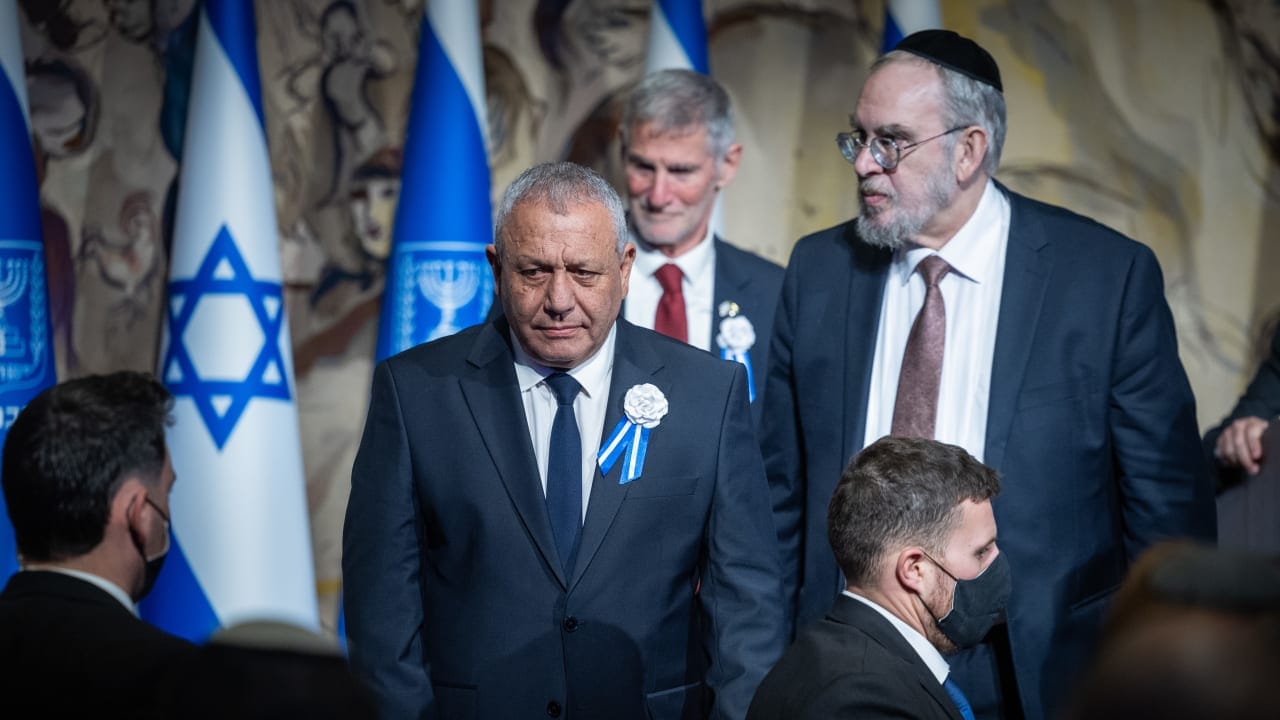
Into this vacuum stepped Gadi Eisenkot. Appointed by the Israeli president to navigate the wreckage of the October 27 vote, the former IDF chief of staff was handed a mandate to form a government. It is a task of immense complexity, requiring the stitching together of disparate ideological threads into a single, functional tapestry. As of this week, Eisenkot has entered the final stretch of his mandate, facing a deadline of December 6 to assemble a coalition, a timeline that could potentially be extended by 14 days.
Eisenkot has not been idle. In a series of rapid diplomatic maneuvers, he has already secured agreements with the left-wing Democrats and the right-wing Yisrael Beiteinu party, inching closer to the majority required to lead. Yet, the path to a stable government remains obstructed by the very man who once held the reins of power. For weeks, Eisenkot has been attempting to conduct what he describes as real, sincere, and accelerated negotiations, but he claims his efforts have been met with a wall of silence.
While the offer sounds like a breakthrough, it places Eisenkot in a precarious position.
“Likud, for its parts, was unwilling to compromise and, over two weeks, refused to put a single concrete proposal on the table,” Eisenkot remarked, noting that he had even attempted to reach out through a secret channel with a detailed proposal, to which Netanyahu has yet to respond.
This friction highlights the fundamental struggle of the current moment: can a nation governed by deep divisions find a way to act when its leaders cannot agree on the basics of governance? Eisenkot has maintained that “unity is about substance and values, not about who gets which job or who goes first,” a sentiment that stands in stark contrast to the transactional nature of Israeli coalition building. For Eisenkot, the goal is not merely to occupy the Prime Minister's office, but to build a government capable of addressing the nation's most pressing crises.
In a move that has sent shockwaves through the political establishment, Netanyahu broke his silence this Saturday. In a sudden pivot, the Prime Minister announced he is willing to temporarily step down to facilitate a unity government. On X, Netanyahu stated he would “set everything aside” to allow Eisenkot to serve first in a rotating premiership.
It is a proposal born of necessity rather than sudden friendship. Netanyahu framed the concession as a matter of national survival, stating that given the magnitude of the existential threat and the possibility that a government could be formed that isn’t able to deal with this danger, he must act. “Unity is the need of the hour,” he declared, suggesting he would be willing to be second to Eisenkot in a rotation agreement, putting aside personal ambitions for what he calls national responsibility.
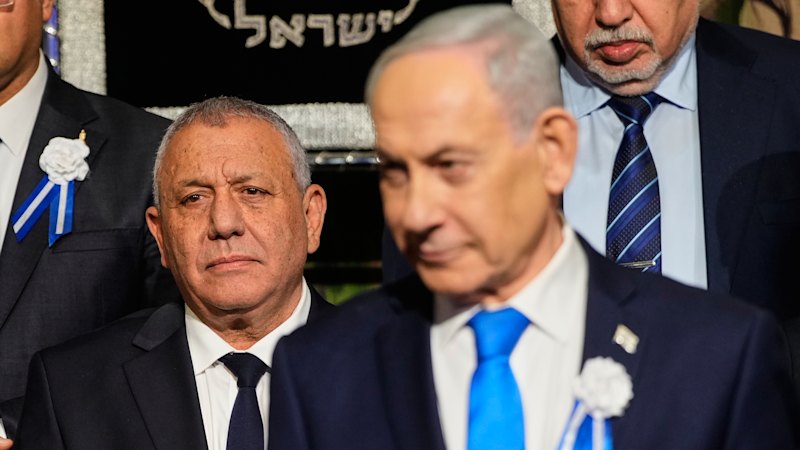
While the offer sounds like a breakthrough, it places Eisenkot in a precarious position. The proposed rotation agreement presents a double whammy for the former general. If he accepts Netanyahu’s terms, he risks a sabotaged first term. There is a pervasive sense that even if a rotation is agreed upon, Netanyahu may attempt to undermine Eisenkot's efforts at every turn, turning the premiership into a battlefield of obstruction rather than a seat of leadership.
Furthermore, the deal threatens to fracture the very coalition Eisenkot is trying to build. Naftali Bennett, who has been a vocal proponent of a unity government, may find himself at odds with a deal that brings Netanyahu back into the fold. Eisenkot faces the very real possibility of losing Bennett, who has so far resisted sitting with the haredi parties, if the unity government becomes a vehicle for Netanyahu's return.
As the sun sets on this week of intense maneuvering, the players are preparing for a direct confrontation. Likud has confirmed that the leaders have spoken and have agreed to meet on Sunday morning. This meeting will likely determine whether the proposed rotation is a genuine path toward stability or merely a tactical delay.
Eisenkot remains caught between two difficult paths: he can attempt to form a minority government by making concessions to the haredi parties, or he can embrace Netanyahu’s power-sharing plan and risk a government defined by internal warfare. With the December 20 deadline looming, the window for a peaceful resolution is closing. The decision made in the coming days will not just decide who sits in the Prime Minister's chair, but whether Israel can find the unity required to face its most uncertain chapter yet.