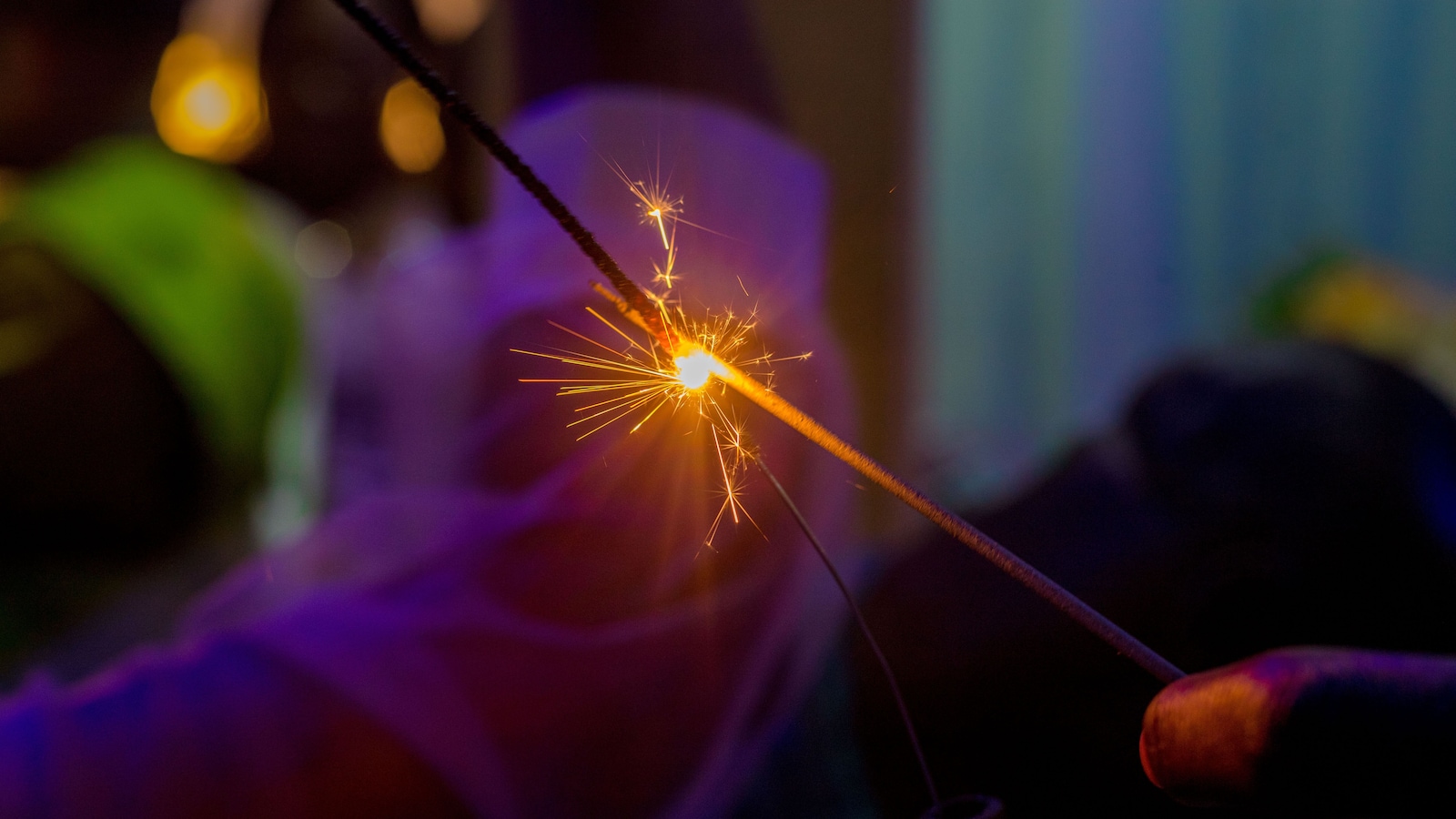
Following a series of fire incidents on Diwali night, Mumbai faced a sense of urgency. The city's fire brigade had been overwhelmed on November 8, fielding 142 emergency calls related to fires across the metropolis. The scale of the response underscored a growing crisis: Mumbai's dense urban fabric, with its high-rises and sprawling slums, had become increasingly vulnerable to the dangers of unchecked celebrations, specifically firecrackers landing on combustible surfaces.
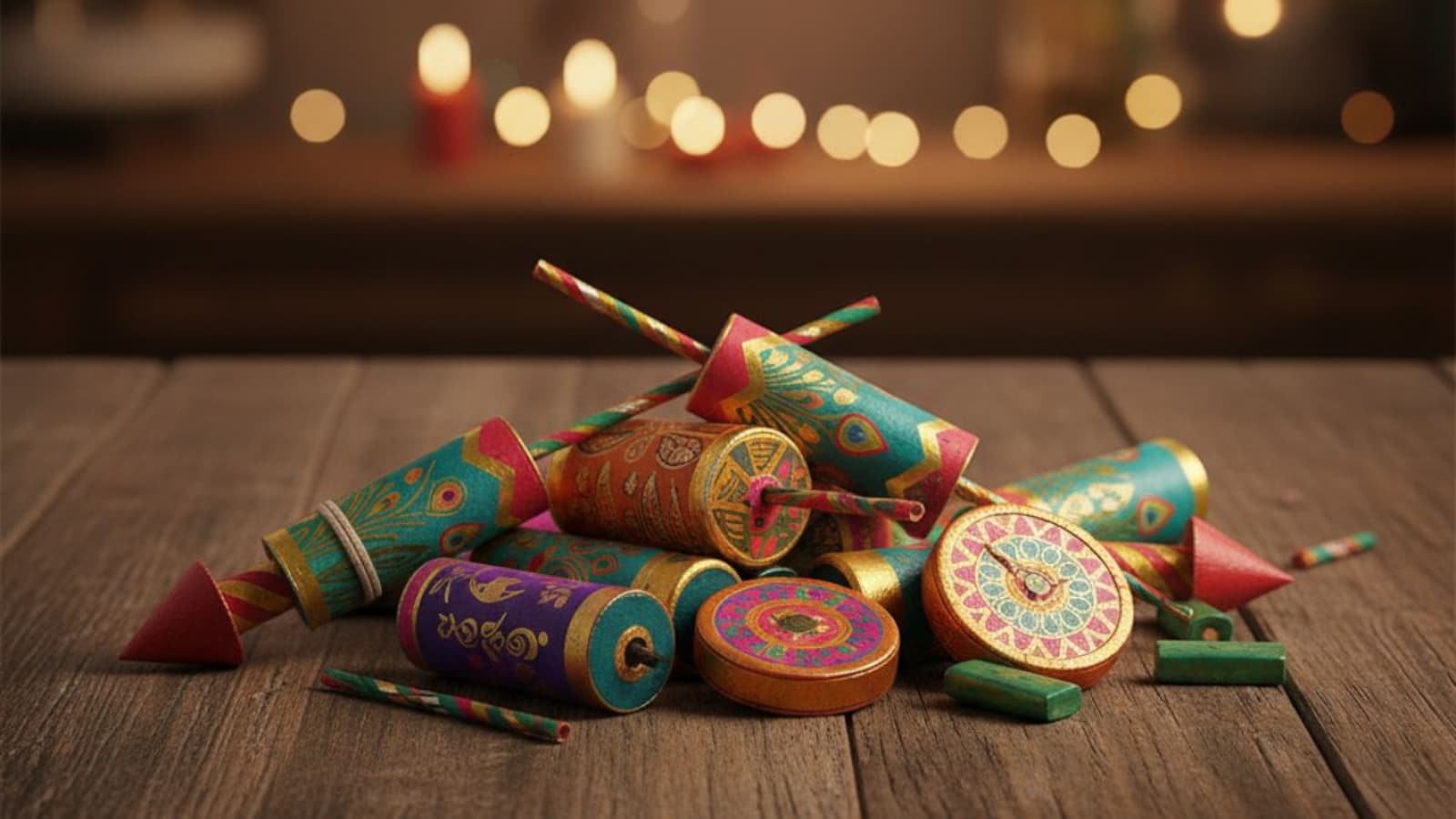
In response to the alarming situation, the Mumbai Disaster Management Authority moved swiftly. On November 9, 2026, authorities implemented a sweeping ban. The order, effective immediately and set to last until November 25, 2026, prohibited the use of rockets and aerial firecrackers throughout the city. The measure applied to all residential areas, from luxury high-rises to crowded slums, with particular emphasis on preventing firecrackers from landing on combustible surfaces like rooftops and balconies.

Mumbai firecracker ban: BMC bans rockets, aerial firecrackers till Nov 25 after Diwali fires https://t.co/46wMCbXdm9
"The police and administration must certainly take official action in such cases. An explanation is needed," stated Aaditya Thackeray, a prominent Shiv Sena (UBT) leader, reflecting the public's demand for accountability. The ban wasn't an outright prohibition on all celebrations but a targeted response to the most dangerous practices. While aerial fireworks were now forbidden, other types of firecrackers remained subject to existing regulations, allowing for festivities to continue with heightened safety measures.
The city's dense environment meant that falling debris from aerial firecrackers could easily ignite fires in multiple locations simultaneously.
BMC Commissioner Prajakta Lavangare-Verma issued the order under the Disaster Management Act 2005, lending it the weight of legal authority. The decision received strong support from local officials, including Mayor Ritu Tawde, who emphasized the paramount importance of public safety. Officials highlighted the need for accountability regarding fire-related damage in a city where space is limited and risks are amplified.

IMPORTANT: PLEASE TAKE NOTE BMC bans rockets, aerial firecrackers across Mumbai till November 25,2026 after spate of fires. Ban applies to public and private spaces, including terraces, balconies, parking lots and slum areas; order issued under Disaster Management Act. The prohibitory order, issued by additional municipal commissioner Prajakta Lavangare-Verma in her capacity as chairperson (in-charge) of the Urban Disaster Management Authority, Brihanmumbai, came into immediate effect on November 9 and will remain in force until 11.59 pm on November 25.
Mumbai's unique geography presented particular challenges. The city's dense environment meant that falling debris from aerial firecrackers could easily ignite fires in multiple locations simultaneously. The ban aimed directly at this vector of risk, recognizing that traditional celebrations needed adaptation to urban realities to prevent fire hazards in public and private properties.
For many Mumbaikars, the ban represented a difficult compromise. Diwali, the festival of lights, has long been marked by the spectacle of aerial fireworks painting the night sky. Yet the events of November 8 made clear that this tradition had become incompatible with the city's safety needs. The challenge now lies in finding alternative ways to celebrate that preserve the festive spirit while eliminating the dangers.

Mumbai restricts sky rockets and aerial fireworks until November 25 | The Mumbai Disaster Management Authority has banned the use of sky rockets and aerial fireworks across BMC limits until November 25, 2026, due to fire hazards. This decision follows multiple fire incidents attributed to firecrackers, with concerns raised over the safety risks posed to densely populated areas and buildings in the city. Full Report Here 👉 https://t.co/zJl1idN4Vq #Mumbai #FirecrackerBan #FireSafety #AerialFireworks #PublicSafety #Diwali
With the ban in place, attention turned to enforcement. Authorities signaled that violations would not be tolerated, with police prepared to take action against those who continued to use prohibited fireworks. The message was clear: public safety trumped individual convenience, and collective responsibility would guide the city through the remaining days of the festival season.
As Mumbai approached November 25, the end date of the ban, the city remained on high alert. The measure represented a significant moment in the ongoing conversation about how to celebrate safely in urban environments. Whether this temporary ban would lead to permanent changes in how Mumbai observes Diwali remained to be seen, but one thing was certain: the fires of 2026 had forever changed the city's relationship with its most explosive traditions.