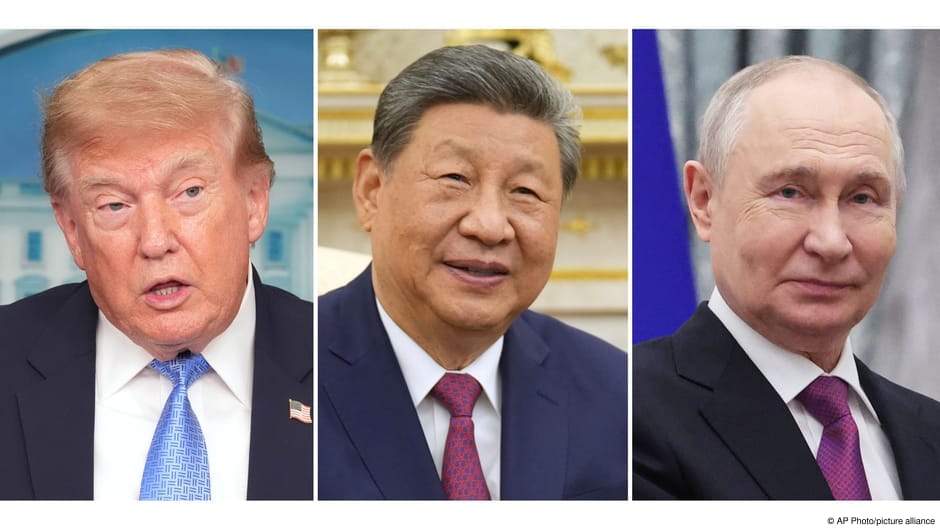
In the humid air of Shenzhen, near the bustling hub of Hong Kong, the geopolitical gravity of the world is set to shift. This is not merely another diplomatic encounter; it is the first formal gathering of the leaders of these three nuclear-armed powers.

The announcement, released by the White House on Friday, November 14, 2026, signals a moment of profound urgency. For decades, the management of nuclear arsenals has been a delicate dance of bilateral treaties and cautious monitoring. But the era of predictable, two-way stability is fracturing. As the leaders prepare to meet on the sidelines of the APEC summit, the shadow of nuclear proliferation looms larger than it has in generations.
The impetus for this trilateral huddle is rooted in a growing sense of strategic vacuum. That treaty served as a cornerstone of international security, providing a framework for limits and transparency. Without it, the guardrails that once prevented an unchecked arms race have largely vanished.
For years, the global security calculus was primarily a tug-of-war between Washington and Moscow.
Compounding this instability is the rapid development of China's nuclear arsenal. For years, the global security calculus was primarily a tug-of-war between Washington and Moscow. Now, the emergence of a third, rapidly expanding nuclear capability means that any future stability cannot be achieved through bilateral deals alone. The math of deterrence has changed, and the White House appears to be acknowledging that the old rules no longer apply.

President Trump will meet with Russian President Vladimir Putin and Chinese leader Xi Jinping in China next week for an unprecedented three-way summit With @marianne_levine https://t.co/WGhrnEmTl9
While the scale of the meeting is unprecedented, the atmosphere surrounding it is one of tempered realism rather than triumphalism. President Trump has long been a vocal advocate for broad agreements aimed at reducing global nuclear stockpiles, viewing the spread of these weapons as a fundamental threat to peace. However, the administration is careful not to mistake a seat at the table for a signed treaty.
White House Press Secretary Olivia Wallace has been quick to manage the expectations of a global audience. The goal here is not an immediate resolution to the world's most complex security dilemmas, but rather the establishment of a channel where none currently exists at this level. "We do not expect to reach any kind of agreement," Wallace stated, framing the encounter with precision. "I describe this meeting as an entry point and the first dialogue at the leader level of these countries."
Though the primary focus is the reduction of global nuclear arms, the agenda in Shenzhen is expected to be wide-ranging, touching upon the various flashpoints that keep global leaders awake at night. The conversation is poised to drift from the technicalities of warhead counts to the volatile realities of regional conflicts.
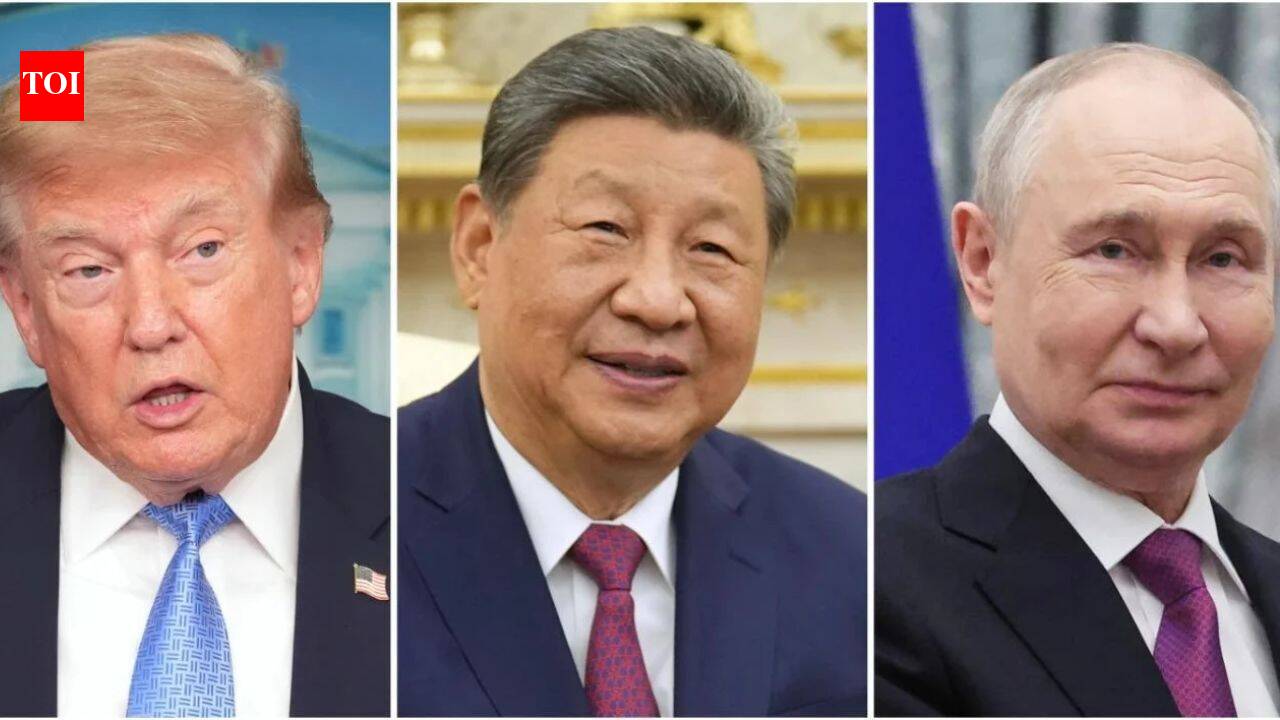
Officials suggest that the war in Iran and the ongoing developments in North Korea will likely be among the critical items on the table. These are not isolated issues; they are interconnected threads in a tapestry of regional instability that could, if left unaddressed, pull the world back toward a state of unmanaged escalation. The meeting represents an attempt to bring these disparate tensions into a single room, testing whether the leaders of the world's most powerful nations can find common ground in the face of shared existential risks.

HISTORIC MEETING Donald Trump, Vladimir Putin and Xi Jinping are planning to meet on the sidelines of a summit in China next week. #KBCniYetu ^PM https://t.co/zrPjOhPRsz