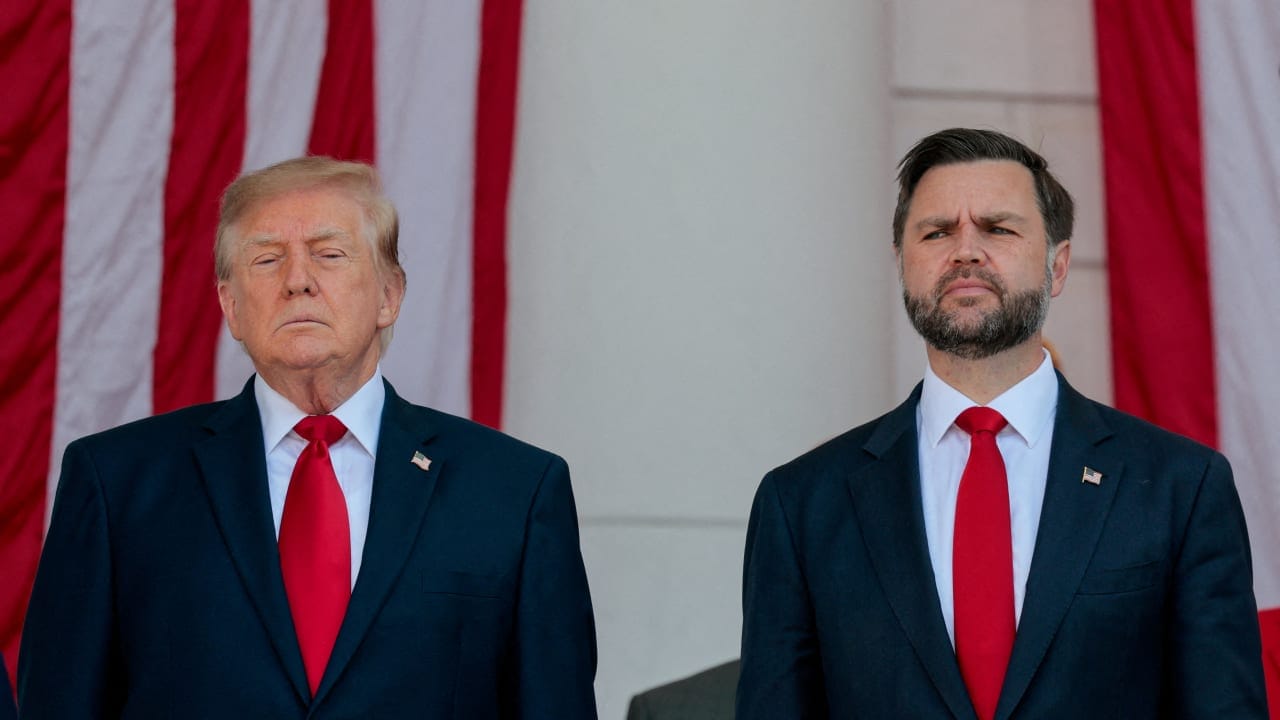
In the high-pressure theater of American politics, perception is often as potent as policy. For weeks, whispers have circulated through the halls of power suggesting a growing fracture between President Donald Trump and Vice President JD Vance regarding the administration's approach to the war with Iran. The suggestion was that the two leaders were moving in different directions, perhaps pulling at the seams of a unified foreign policy.
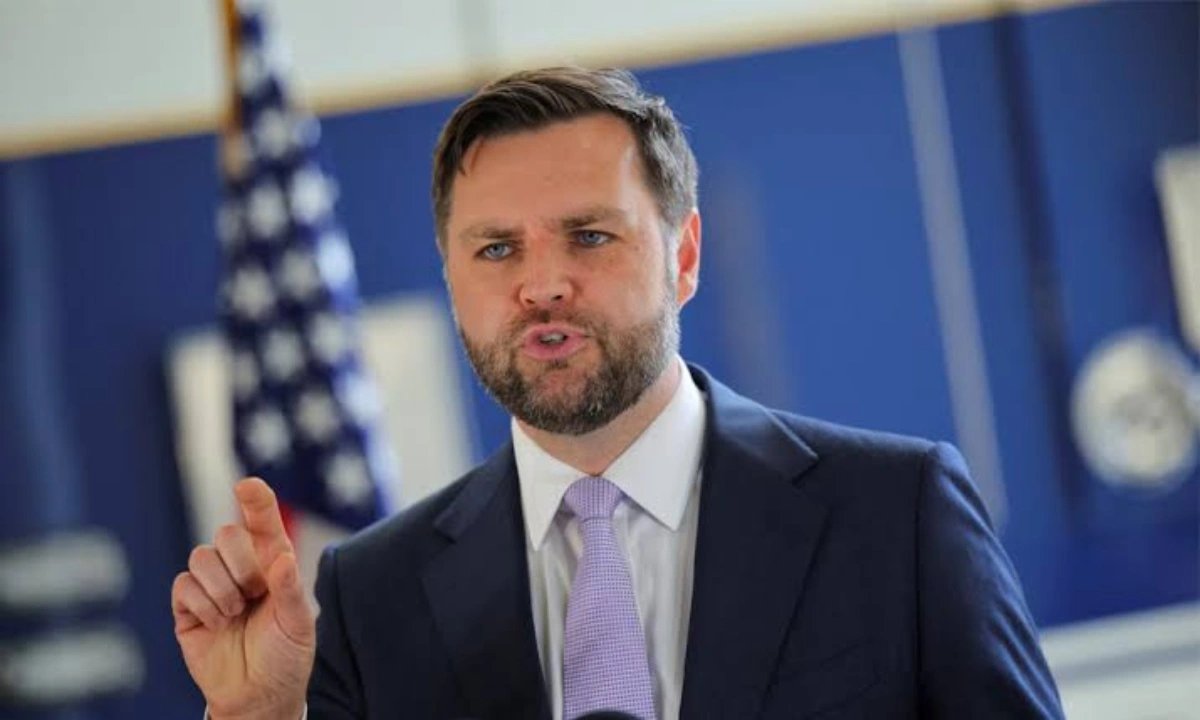
On Monday, Vance moved to stitch those seams back together. Appearing in an interview with Fox News host Laura Ingraham, the Vice President was unequivocal in his dismissal of any internal discord. "No, there’s no daylight, Laura," Vance asserted, attempting to quell the narrative of a divided executive branch. He sought to clarify the hierarchy of the administration, framing the internal process not as a struggle for control, but as a structured system of deliberation. "The president of the United States, he makes decisions, and obviously within the administration we have debates and discussions about exactly what to do," Vance explained, positioning the cabinet's role as one of supporting the implementation of the President's ultimate directives.
While Vance worked to project a unified front on leadership, he did not shy away from the bruising political realities that have shadowed the administration's military maneuvers. The conflict with Iran has not existed in a vacuum; it has bled into the domestic economy, and by extension, the electoral map.
He pointed toward the November midterm elections, suggesting that the conflict played a role in the party's losses.
Vance acknowledged a difficult truth that has long been a point of contention for the Republican party: the war has carried a tangible political weight. He pointed toward the November midterm elections, suggesting that the conflict played a role in the party's losses. The connection, he argued, was found at the gas pump. "Now politically, yes, I think the president himself has absolutely said this as well," Vance noted. "There was a political cost: the higher gas prices, the higher energy prices."
However, Vance was careful to decouple the immediate volatility of energy costs from the administration's specific foreign policy decisions. Rather than placing the blame solely on the war, he pointed to a deeper, more systemic issue: decades of underinvestment in domestic energy infrastructure. By framing the issue this way, he attempted to transform a symptom of current conflict into a long-standing structural problem that predates the current administration's tenure.

JD Vance said that there’s no daylight between him and Trump on the Iran war. Follow: @AFpost https://t.co/Tb5ius9gIS
As the administration navigates the complexities of the Iranian conflict, the path forward remains a matter of strategic intensity. Vance defended the military actions taken thus far, maintaining that the administration has already achieved significant objectives against Iran's military and nuclear infrastructure. The strikes and maneuvers were not merely reactive, he suggested, but targeted efforts to degrade the capabilities of a primary adversary.
Yet, the question of how to exit this cycle remains. Vance outlined a stark binary for the President's next moves. The administration faces a choice between two distinct trajectories: one that involves declaring the current campaign over, or one that escalates the intensity of the confrontation. The latter would mean increasing both military and diplomatic pressure on Tehran, a move designed to force a resolution through sheer weight of presence and demand.

For now, the administration remains locked in this tension, balancing the military objectives already met against the political and economic pressures mounting at home. Vance’s defense of the President serves as a signal that, despite the economic friction and the electoral setbacks, the core strategy remains a singular, unified effort.