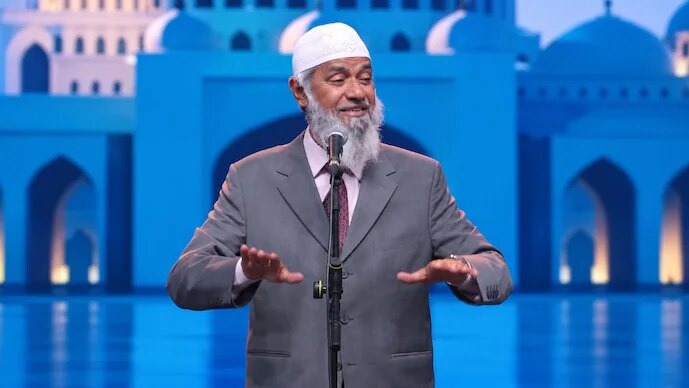
For nearly a decade, the relationship between the Indian government and the Islamic Research Foundation (IRF) has been defined by a singular, persistent legal friction. This conflict reached a significant milestone when the Union Ministry of Home Affairs announced the extension of a ban on the organization for another five years. The decision, rooted in the Unlawful Activities (Prevention) Act (UAPA), serves as a continuation of the state's effort to curb the influence of the IRF and its founder, Zakir Naik. The UAPA is a powerful instrument in the Indian legal arsenal, designed to address activities that the government deems a threat to the integrity and security of the nation. By invoking this act, the Ministry is not merely pausing the foundation’s operations; it is signaling that the underlying concerns regarding the organization’s impact on public order remain as pressing today as they were when the initial ban was first implemented.

The narrative of the IRF is inextricably linked to the movements of its founder. Zakir Naik, a prominent Islamic preacher, found himself at the center of intense scrutiny as the Indian authorities began to investigate the nature of his public discourse. In 2016, a pivotal year for the organization, Naik fled India. His departure marked the beginning of his self-imposed exile, during which he has resided in Malaysia. This flight did not, however, end the government's pursuit of the case against him. Instead, it transformed the situation into a long-term diplomatic and legal challenge, as the preacher continued to maintain a global profile while remaining outside the reach of the Indian judicial system.
At the heart of the government’s case against the IRF is the allegation that the organization has served as a catalyst for social discord. The Ministry of Home Affairs has consistently maintained that both the foundation and Naik himself have actively encouraged followers to promote enmity, hatred, and ill-will between different religious communities. These activities, according to the government, are inherently prejudicial to national security and the delicate fabric of communal harmony in India. Rakesh Rathi, in his assessment of the situation, captured the government’s perspective clearly: "The statements and speeches made by Dr Zakir Naik, the president of the IRF, are objectionable and subversive." This characterization forms the bedrock of the state's justification for the ongoing prohibition.
After the initial prohibition in 2016, the government revisited the status of the IRF in 2021, opting to renew the ban for another five-year term.
The legal life of the ban has been marked by periodic reviews and extensions. After the initial prohibition in 2016, the government revisited the status of the IRF in 2021, opting to renew the ban for another five-year term. This latest extension ensures that the restrictions will remain in effect well into the future, reflecting a policy of sustained containment. The government’s stance is that the ideological influence of the IRF has not dissipated, and therefore, the legal barriers against it must be maintained to prevent the resurgence of the activities that led to the initial crackdown.
Despite his status as a fugitive from Indian law, Zakir Naik has continued to engage in public life abroad, occasionally drawing attention back to his complicated relationship with his home country. In October 2024, Naik visited Pakistan, where he held a meeting with Prime Minister Shehbaz Sharif in Islamabad. This visit was followed by a second trip to Pakistan in February 2025. These high-profile appearances serve as a reminder that while Naik is barred from operating within India, his reach and influence continue to manifest in other parts of the world. For the Indian government, these movements underscore the necessity of the ban, as they view his ongoing public activity as a continuation of the same discourse that prompted the original legal intervention.
As the extended ban takes hold, the situation remains a stalemate. The Indian government continues to view the Islamic Research Foundation as a source of instability, while the organization’s founder remains in exile, far from the reach of the Indian authorities. This five-year extension is more than just a bureaucratic formality; it is a declaration of the state's firm position. By utilizing the UAPA to keep the IRF sidelined, the Ministry of Home Affairs is attempting to insulate the public from the rhetoric it deems dangerous. For now, the legal walls around the foundation remain firmly in place, ensuring that the debate over Zakir Naik’s legacy and his impact on Indian society remains a closed chapter within the country's borders.