
For millions of Indian car owners, the Pollution Under Control certificate is a minor administrative annoyance that pops up on the calendar every six months or a year. It is a ritual of bureaucracy: drive to a lab, pay a fee, get a sticker. But on November 19, 2026, the Ministry of Road Transport and Highways announced a structural shift that redefines who needs to show up for that appointment. The move is not a blanket relaxation; it is a stratified system that links the frequency of testing directly to the technological generation of the vehicle and its age. The core thesis is simple: a brand-new engine that meets the strictest emission standards is not the same machine as a twenty-year-old diesel. The government is proposing that newer cars earn trust through their design, allowing for longer intervals between checks.
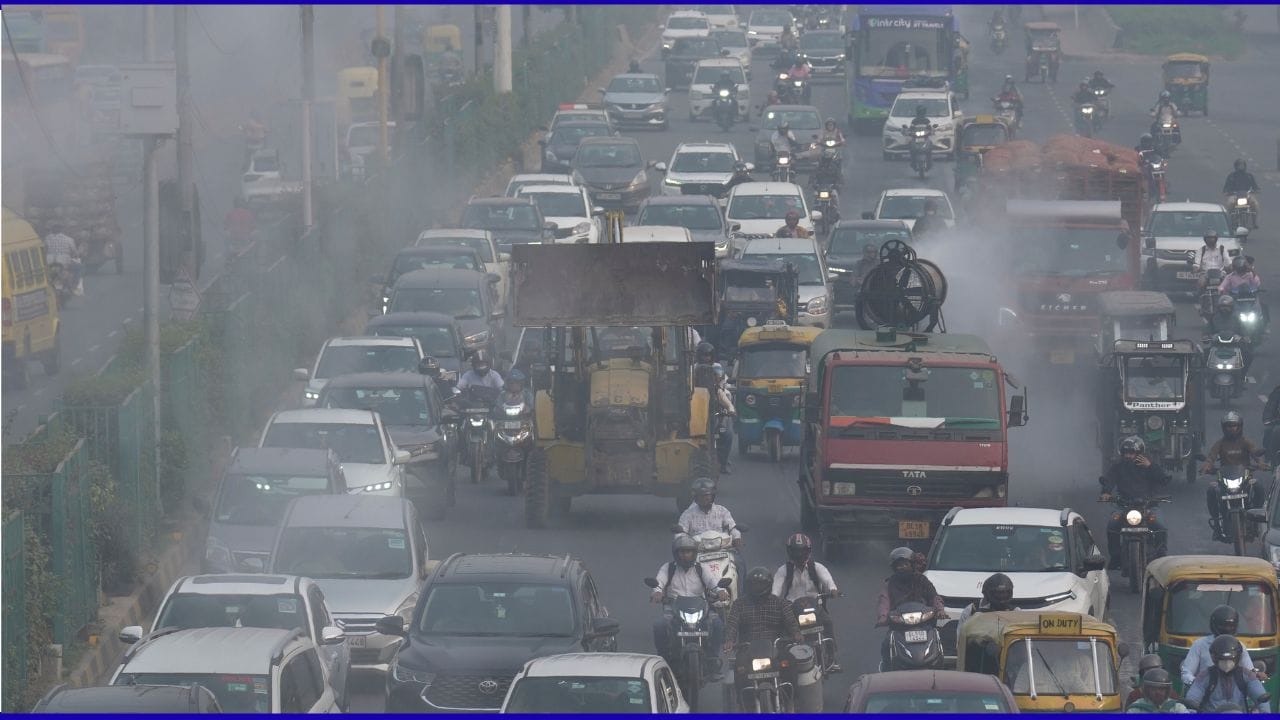
To understand the rationale, one must look at what a PUC certificate actually verifies. It measures harmful gases like carbon monoxide and hydrocarbons. Vehicles registered under the BS-VI (Bharat Stage VI) norm represent the current peak of Indian engine technology, comparable to Euro 6 standards globally. These engines are designed to burn fuel more cleanly and use advanced catalytic converters that last for a significant portion of the car's life. The ministry’s logic is that a BS-VI private vehicle in its first six years is statistically unlikely to have developed the severe exhaust system failures that plague older, less regulated engines. By acknowledging this engineering reality, the state is attempting to align its regulatory burden with actual mechanical risk rather than applying a uniform blanket rule.

India has revised its PUC certificate renewal schedule. Newer private BS-VI vehicles up to six years old will need renewal every three years. Those over 10 years old will still need it every six months. The principle is worth discussing: regulation should reflect actual risk and vehicle condition, not simply impose the same burden on everyone.
The most significant change in the new framework targets private vehicles. For a BS-VI car that is up to six years old, the PUC certificate will now be valid for three years. This is a dramatic increase from the standard annual or bi-annual checks that have been common practice. This reduces the time and cost associated with compliance for the largest segment of new car buyers. It signals that the government views the first six years of a modern car’s life as a period of stable emissions performance. The sticker on the windshield will now last much longer, reducing the friction of keeping up with the paperwork.
The sliding scale ensures that as the car ages, the frequency of checks increases to catch any decline in performance.
Commercial vehicles operate under different constraints. They face more rigorous duty cycles, higher mileage, and often different fueling conditions compared to private cars. Consequently, the ministry has proposed a slightly shorter validity for new commercial vehicles under the same BS-VI standard. A commercial vehicle up to six years old will receive a certificate valid for two years, not three. While still an improvement over the frequent checks of the past, the two-year gap reflects the belief that commercial engines degrade faster or are subjected to more stress. This distinction ensures that the high-volume segment of the automotive market, which includes taxis, buses, and trucks, remains under tighter scrutiny than private sedans and SUVs.

Finally, less paperwork! 🚗 3-year PUC for BS6 private vehicles up to 6 years old. Existing certificates switch at renewal. A sensible move, provided emission testing stays credible. #BS6 #PUC https://t.co/JxJzXNhPzP
The system does not stop at the six-year mark; it uses age as a dynamic slider. Once a BS-VI vehicle crosses the six-year threshold, the trust period shortens. A BS-VI private vehicle between six and ten years old will require annual renewal. This is the point where the engine’s components, such as exhaust valves and injectors, begin to show natural wear. By the time a vehicle is over ten years old, even if it started life as a clean BS-VI model, it requires renewal every six months. The policy acknowledges that technology has a shelf life. A ten-year-old car, regardless of its launch specifications, behaves more like an older vehicle in terms of emission unpredictability. The sliding scale ensures that as the car ages, the frequency of checks increases to catch any decline in performance.
The new norms do not spare older vehicles from rigor; in fact, they impose the harshest conditions on them. Vehicles registered under the oldest standards, BS-I, BS-II, and BS-III, will have a PUC validity of only three months. This means these cars must undergo a full inspection four times a year. These standards date back decades and did not include the advanced emission controls that modern cars have. The government is effectively treating these legacy vehicles as high-risk for pollution, requiring constant monitoring to ensure they are not contributing disproportionate amounts of smog and particulate matter to urban air quality. The short validity window acts as a continuous filter, forcing the oldest fleet to maintain the highest level of compliance or face immediate failure.
Between the ultra-strict regime for legacy cars and the relaxed regime for new ones, BS-IV vehicles find themselves in the middle. These cars, which were the standard before BS-VI was mandated, will have a six-month validity period. This is a compromise position, recognizing that while they are older technology than BS-VI, they are significantly cleaner than the BS-III and earlier models. The six-month interval keeps them on the radar without the extreme frequency required of the oldest cars. This tiered approach creates a clear hierarchy of trust: the newer the engine, the longer the peace of mind; the older the engine, the more frequent the interrogation.
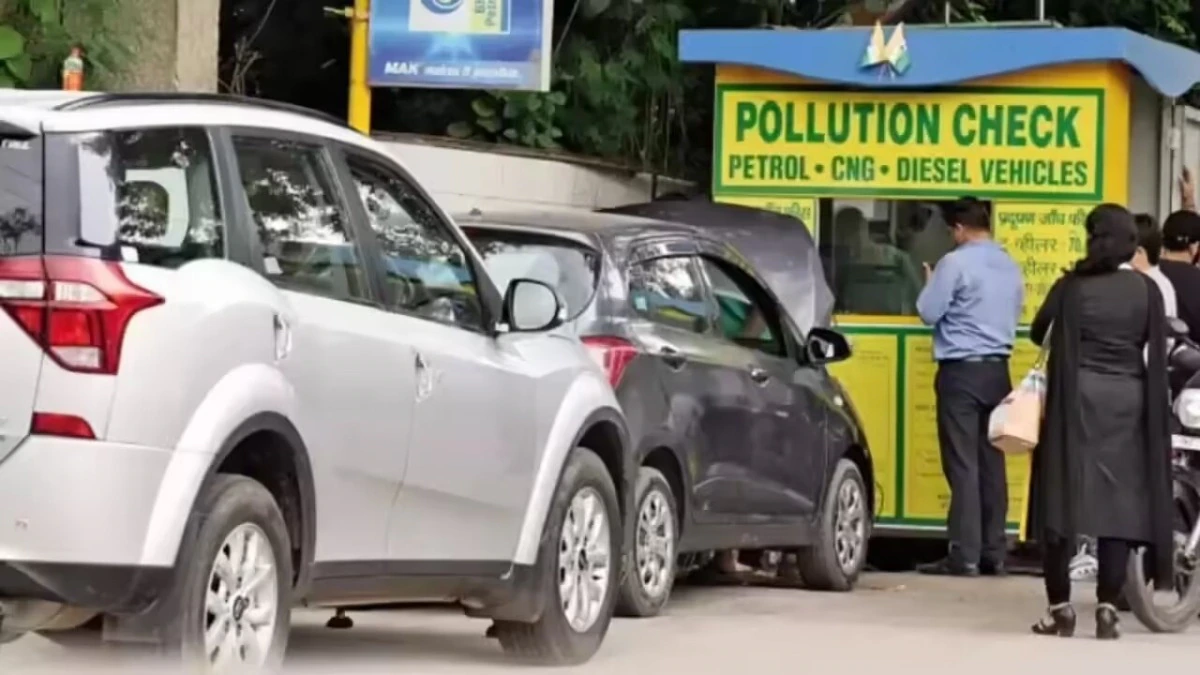
The announcement on November 19, 2026, sets the stage for this new regulatory landscape. However, the actual impact will depend on how smoothly the transition occurs. Car owners will need to update their records to reflect the new validity periods, and testing centers will have to adjust their scheduling systems to accommodate the variable duration of certificates. For the average driver, the message is clear: if you are driving a modern, clean car, you have earned some administrative breathing room. If you are driving a car that has seen better days in terms of emission standards, you are now subject to a more intense regulatory gaze. The system aims to be efficient, ensuring that the state's resources are focused where the pollution risk is highest, while rewarding those who have invested in the cleanest available technology.
This policy is not just about convenience; it is a statement on how India manages its automotive future. By differentiating between vehicle generations, the ministry is implicitly encouraging the retirement of older, polluting vehicles and the adoption of newer, cleaner ones. It creates a financial and logistical incentive to own a BS-VI car. The longer validity periods make new cars more attractive to owners who dislike the hassle of frequent bureaucracy. Conversely, the three-month validity for ancient cars makes them more costly to maintain in terms of time and testing fees. In a broad sense, the PUC validity period has become a tool for steering the composition of the national vehicle fleet toward cleaner standards. As the new rules take effect, the relationship between the driver and the state will be measured not just in license fees, but in the trustworthiness of the engine on the road.