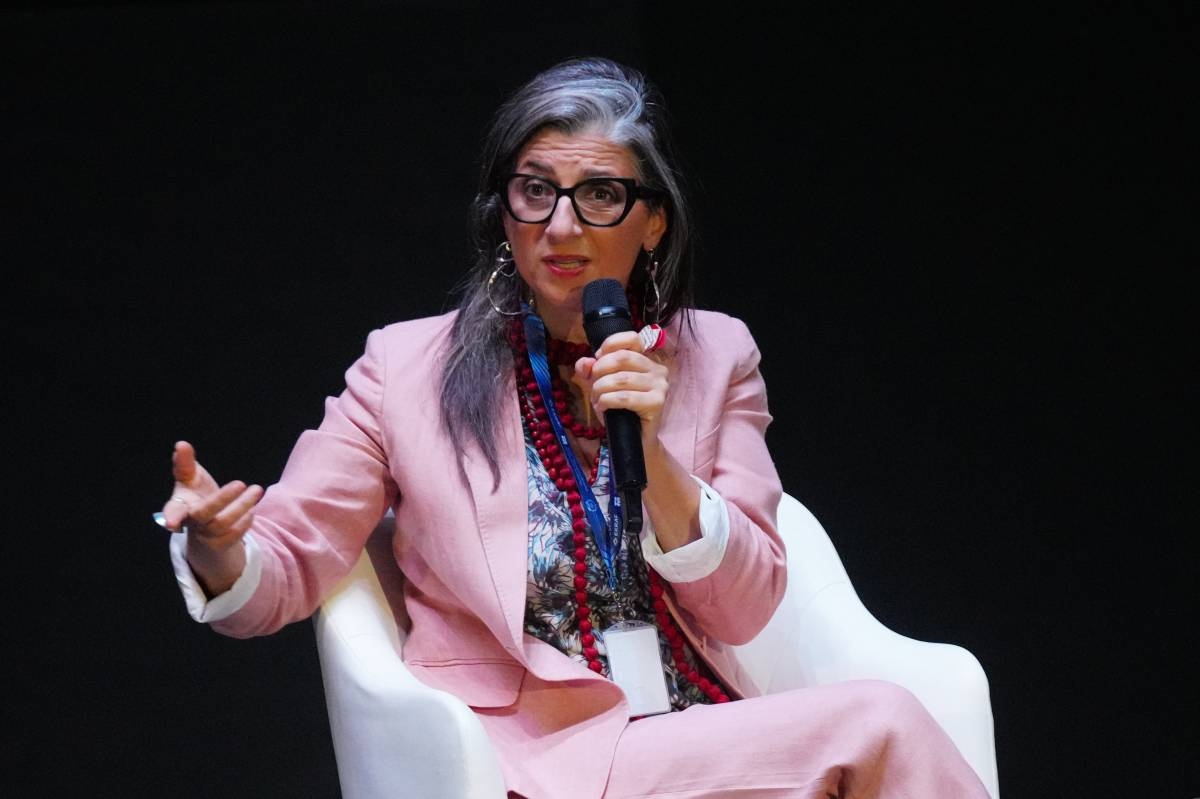
When Francesca Albanese arrived at the airport serving San Jose on Thursday, November 27, 2026, her journey was meant to mark an occasion of academic honor. As the United Nations special rapporteur on the Palestinian territories, Albanese had traveled to Costa Rica to accept an honorary doctorate awarded by the University of Costa Rica. Instead, her arrival ended in immediate detention. Costa Rican immigration authorities intervened at border control, refusing to allow the senior international envoy into the country. What was organized as a ceremonial conferral of academic recognition quickly turned into a high-profile standoff, leaving a prominent UN rapporteur detained within the airport terminal.

The formal justification for barring Albanese came from the highest level of Costa Rica's immigration apparatus. Omer Badilla, the country's immigration director, explained that border officials acted in response to a specific international security notification alleging connections to illegal activity. According to Badilla, Albanese "is the subject of an international alert over links to terrorist acts." By grounding the refusal on an international security alert, Costa Rican officials converted a routine entry procedure for an invited university guest into a strict border enforcement action.
The sudden airport detention sparked an immediate clash between national border authorities and academic leadership. Describing the incident at the airport as a disgrace, Albanese remarked that "What happened is very regrettable." At the same time, the institution that had invited her expressed sharp outrage over the decision. The rector's office at the University of Costa Rica publicly accused government officials of blocking Albanese's entry and demanded a formal explanation for why the UN envoy was turned away from receiving her honorary doctorate.
The border intervention did not occur in a political vacuum; it followed a history of intense international friction surrounding Albanese's mandate.
The border intervention did not occur in a political vacuum; it followed a history of intense international friction surrounding Albanese's mandate. As UN special rapporteur, Albanese has drawn significant opposition on the global stage, having repeatedly accused Israel of genocide in its actions involving Palestinians in the Gaza Strip. Her positions have triggered direct diplomatic consequences elsewhere, including sanctions imposed against her by the United States.
While the University of Costa Rica demanded answers, the decision to enforce the border ban received immediate praise from Israeli diplomatic representatives. Israeli Ambassador Danny Danon commended Costa Rica's action on November 27, framing the entry refusal as a necessary stand against hostile campaign tactics. Danon stated: "Those who exploit their UN mandate to spread vile propaganda, legitimize terrorist organizations, desecrate the memory of the six million Jews murdered in the Holocaust, and relentlessly vilify the US and Israel should face consequences." From the Israeli perspective, Costa Rica's enforcement of the border alert served as a key measure of accountability.
The confrontation at the airport underscores broader diplomatic shifts occurring within Costa Rica's foreign relations. Since President Laura Fernandez took office in May, the national government has navigated evolving foreign policy dynamics, including a period in which relations between Costa Rica and Iran have strengthened. Against this changing backdrop, the decision to deny entry to a sanctioned UN rapporteur highlights how security protocols, academic mandates, and geopolitical tensions intersect at border control points.