Mustafa Yazıcı, the son of AK Party Deputy Chairman Hayati Yazıcı, has been summoned for questioning as a suspect in an ongoing fund fraud investigation. The Istanbul Chief Public Prosecutor's Office initiated this process following the recent appointment of trustees to several companies. This summons marks a significant escalation in the legal proceedings, moving the case from administrative oversight to direct criminal suspicion against those in senior management positions.
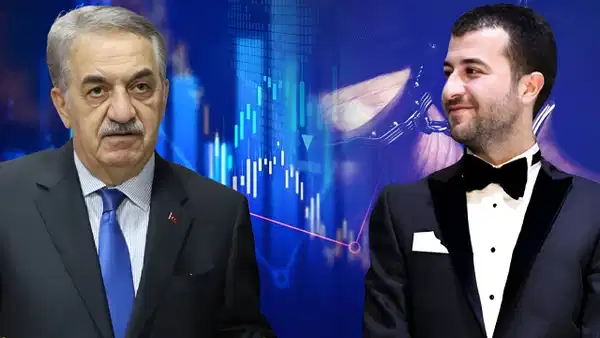
The investigation is centered on the Adil Group, a conglomerate that held significant sway in the financial sector. The reach of the prosecutor's office extends to four distinct companies under the group's umbrella: Adil Varlık Yönetim, Adil Katılım Bankası, Adil Tasarruf Finansman, and Dünya Varlık Yönetim. Mustafa Yazıcı served as the Vice Chairman of the Board at Adil Varlık Yönetim A.Ş., placing him at the heart of the legal challenges currently facing the group.
The core of the controversy is the state's intervention into the group's governance. On May 22, 2024, the legal machinery moved against these entities, resulting in the appointment of trustees to oversee their operations. In the Turkish regulatory landscape, this measure represents a significant state action when the management of a financial institution is deemed unfit to protect depositor interests or market stability. The transfer of management for these four companies signaled that the state had lost confidence in the Adil Group's internal governance structures.
By October 1, 2024, just one day after the restrictions were imposed, the asset measures against Yazıcı and Ballı were lifted.
The legal proceedings have been characterized by a volatile rhythm of restrictions and reliefs. On September 30, 2024, authorities applied strict asset measures against both Mustafa Yazıcı and his business partner, Ali Emre Ballı. Such measures are typically designed to prevent the movement of capital during an active investigation, ensuring that potential proceeds of fraud remain within the reach of the law.
However, the legal landscape shifted almost immediately. By October 1, 2024, just one day after the restrictions were imposed, the asset measures against Yazıcı and Ballı were lifted. This rapid reversal created a brief window of normalcy, even as the underlying investigation into the group's financial conduct continued to simmer beneath the surface.
Just as the legal pressure seemed to ebb, a sudden and grim event disrupted the narrative. On October 6, 2024, Ali Emre Ballı, Yazıcı's business partner, was found dead in his vehicle in the Çekmeköy district of Istanbul. The discovery of his body sparked a separate investigation, adding a layer of human tragedy and mystery to an already fraught corporate saga. While the cause of death remains a matter of official inquiry, the timing of Ballı's death—in the immediate wake of the lifted asset freezes and amidst the intensifying scrutiny of the Adil Group—has inextricably linked his passing to the broader financial investigation in the public consciousness.
The Istanbul Chief Public Prosecutor's Office is not content with focusing solely on the immediate management of the Adil Group. The investigation is widening its lens to examine the regulatory environment that existed during the period in question. In a move that signals the depth of the probe, the prosecutor's office has formally requested permission from the Ministry of Treasury and Finance to investigate Şahap Kavcıoğlu, the former President of the Banking Regulation and Supervision Agency (BDDK).
By seeking to investigate a former head of the nation's primary banking watchdog, the authorities are signaling that the fraud investigation may extend beyond the companies themselves and into the mechanisms of oversight. The involvement of a figure like Kavcıoğlu suggests that the prosecution is looking for systemic failures or potential complicity in the mismanagement of funds.
As the investigation moves into its next phase, the focus returns to the individuals at the helm of the companies involved. The summons of Mustafa Yazıcı in November 2026 represents a pivotal moment in the chronology of the case. After years of trustee management, asset fluctuations, and the sudden death of a key partner, the legal system is now moving toward direct confrontation with the suspects. What began as a series of administrative actions against a group of financial companies has evolved into a complex criminal inquiry involving high-ranking political connections and former regulatory leaders.