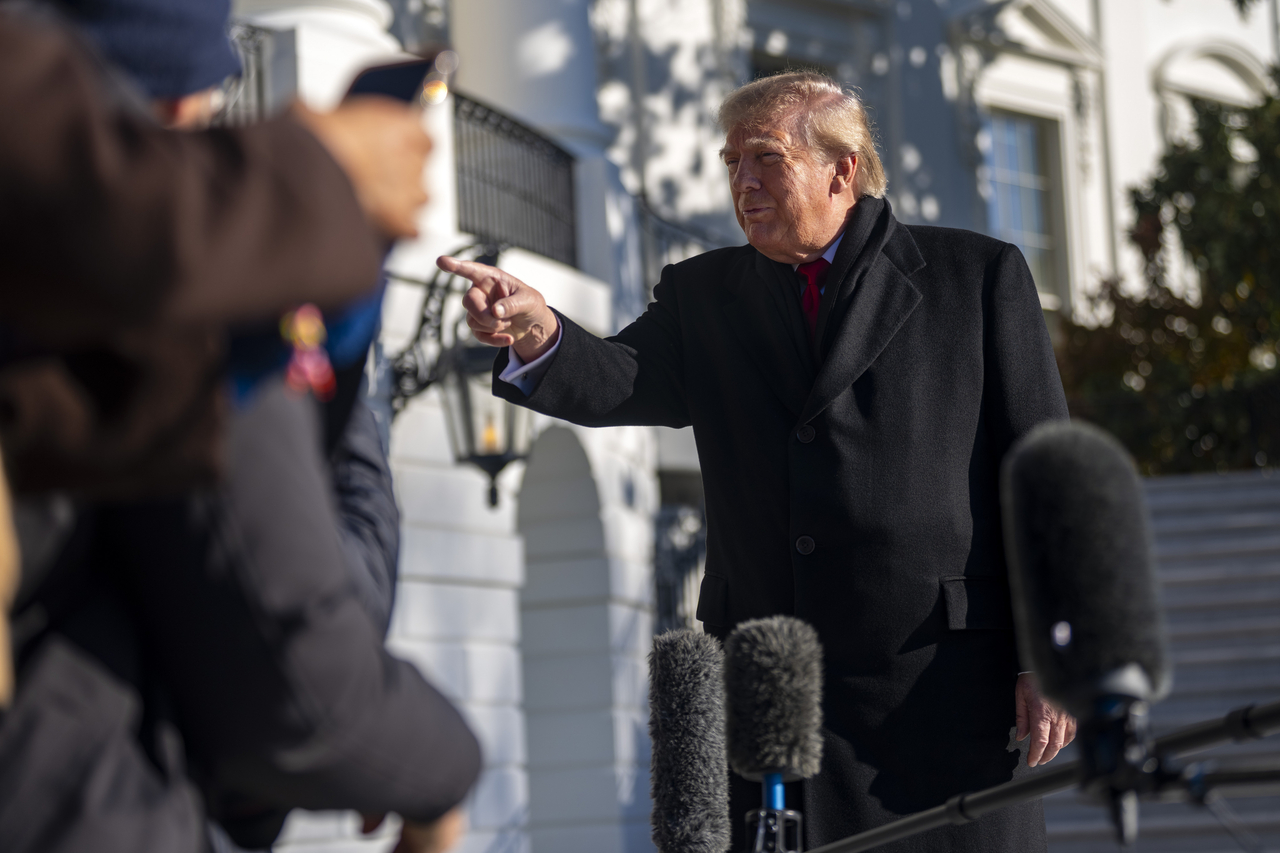
In the high-stakes theater of international diplomacy, the script is often written weeks, if not months, in advance. For the upcoming APEC Leaders' Meeting in Shenzhen, China, the players were largely set: President Donald Trump, Chinese President Xi Jinping, and Russian President Vladimir Putin. The agenda was expected to be a complex dance of regional power and economic influence. But during a recent White House press gaggle, the President introduced a new, unpredictable variable into the equation, suggesting that the trio might soon become a quartet.
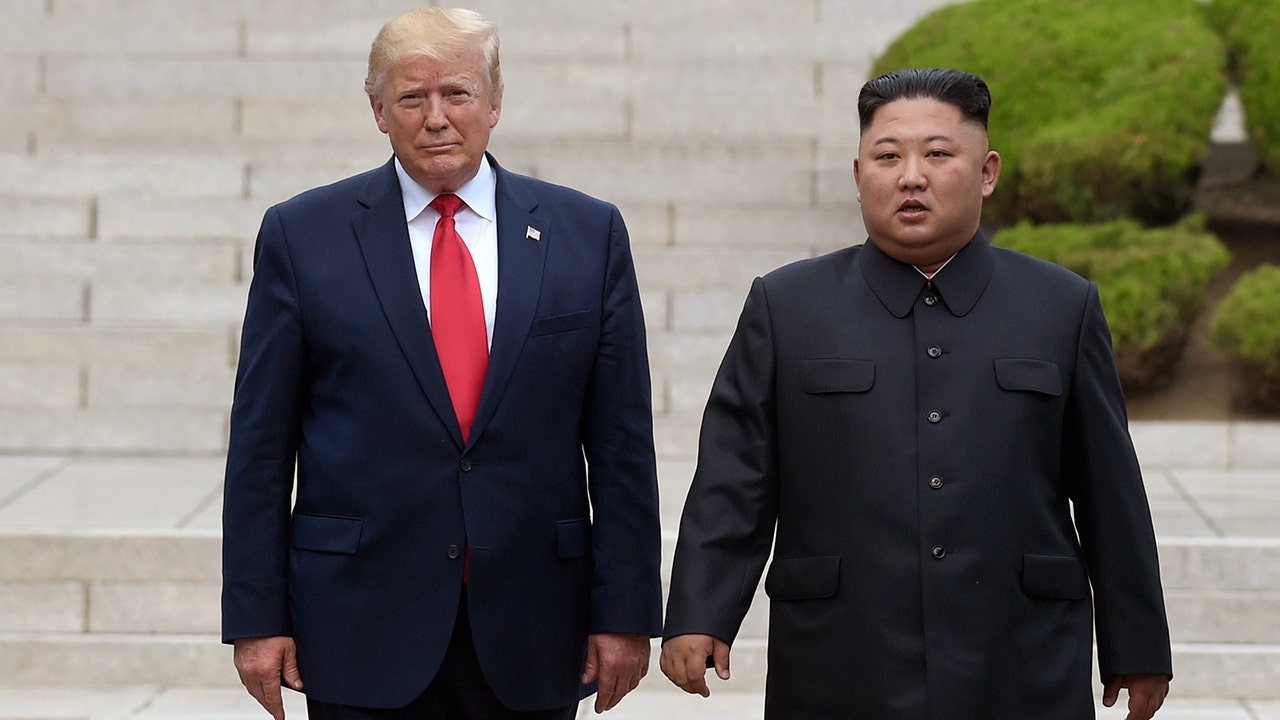
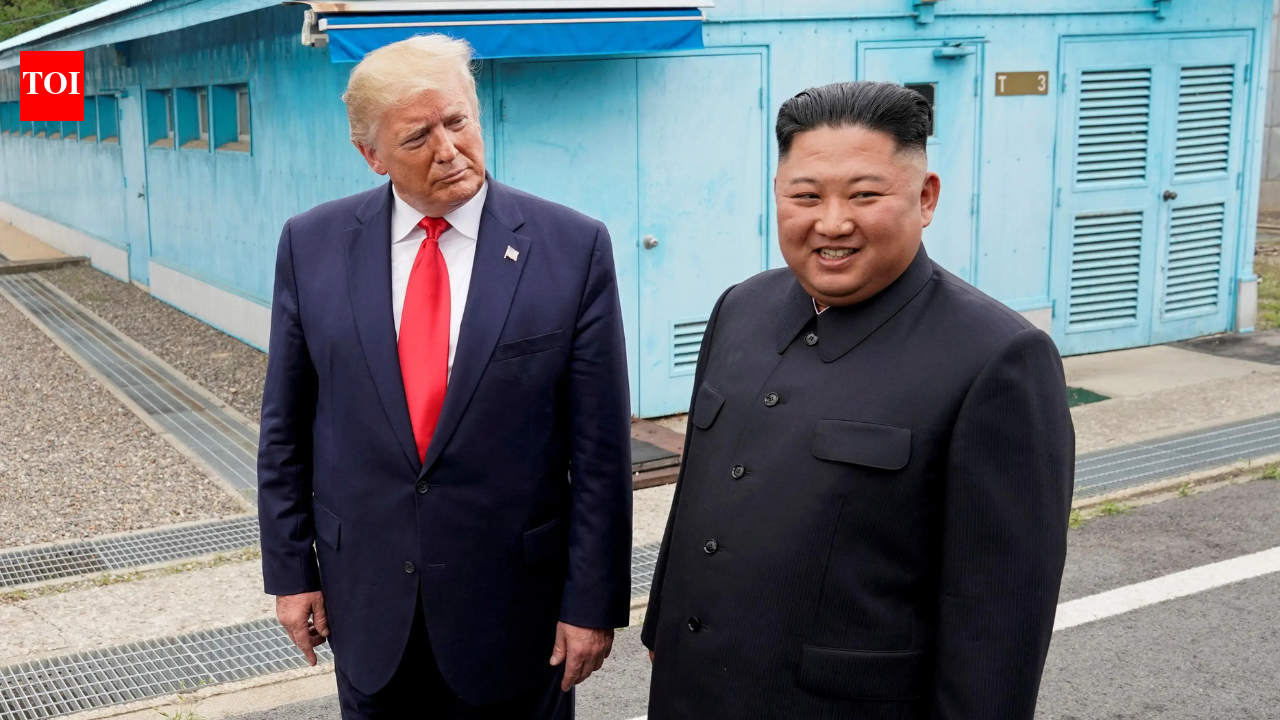
When asked by reporters whether the planned discussions would address the persistent shadow of North Korea's nuclear capabilities, Trump did more than just acknowledge the issue. He floated the possibility of a direct encounter with the man at the center of that shadow: North Korean leader Kim Jong Un. "We might have Kim Jong Un," Trump told the gathered press, casting a wide net of possibility. "He may come, I don’t know. That’s up to President Xi."
To understand why a suggestion like this sends ripples through diplomatic circles, one must look back to the volatility of the previous era of engagement. Between 2017 and 2021, Trump and Kim met multiple times, a period of unprecedented, if ultimately inconclusive, direct contact between Washington and Pyongyang. The most notable of these attempts occurred in 2019, specifically during the February 27 summit in Hanoi, which ended without a formal agreement on denuclearization.
For South Korea, the prospect of high-level dialogue is a perennial goal, even if the methods remain uncertain.
That lack of a definitive breakthrough has left a vacuum of certainty. While Trump has repeatedly expressed interest in a renewed meeting during his second term, the path to such a summit is littered with the remnants of previous failed negotiations. The President’s current speculation suggests a desire to pick up where those previous efforts left off, framing a potential meeting not just as a bilateral encounter, but as a regional event facilitated by China.

Trump floats meeting with Kim Jong Un, says ‘up to’ China’s Xi Jinping dlvr.it/TWM88q https://t.co/brF8wArcVa
Trump’s vision for this potential meeting relies heavily on a specific kind of regional architecture. By suggesting that the encounter could happen in China and that President Xi Jinping could play a role in facilitating it, Trump is leaning into the influence of Beijing. "We may meet with Kim Jong Un also," Trump added, signaling his optimism for the potential outcome. "So that'll be good. We have a chance to accomplish a lot."
This approach would position China as the indispensable mediator, a role that Xi Jinping has frequently occupied in regional affairs. However, this vision stands in stark contrast to the immediate reality described by the administration's own staff. Just last week, a U.S. official stated that there were no plans for North Korean engagement during the President's upcoming trip to Asia. The sudden pivot from "no plans" to "he may come" highlights the inherent unpredictability that characterizes the President's diplomatic style.
As Washington speculates, the neighbors of the Korean Peninsula are watching with a mixture of cautious optimism and deep-seated anxiety. For South Korea, the prospect of high-level dialogue is a perennial goal, even if the methods remain uncertain. The South Korean Foreign Ministry has expressed hope that such talks would ultimately contribute to peace and stability on the Korean Peninsula.
This hope is not without its complications. South Korean officials, including Foreign Minister Cho Hyun, have been active in communicating these interests to their Chinese counterparts, seeking to ensure that any sudden diplomatic shifts are managed with regional stability in mind. The goal is a dialogue that moves beyond mere spectacle and toward meaningful progress, a difficult task given the history of the region.

Trump floats surprise guest ahead of his high-stakes China trip: North Korean leader Kim Jong Un. During a White House gaggle Monday, Trump told reporters, "We might have Kim Jong Un. He may come, I don't know. That's up to President Xi." The remark adds an unexpected layer to the already closely watched trilateral meeting between Trump, Chinese President Xi Jinping and Russian President Vladimir Putin at the APEC summit in Shenzhen, China, scheduled for Thursday. A U.S. official said last week there were no plans for North Korea engagement during the trip, and experts say Pyongyang's nuclear program is unlikely to feature prominently in the talks. Trump and Kim last met in 2019, when their Hanoi summit ended without an agreement. Full story here https://t.co/laVWdkavVS
While the President sees a chance to "accomplish a lot," experts on the ground suggest the diplomatic machinery may be too jammed by other conflicts to allow for a North Korean breakthrough. The inclusion of Russian President Vladimir Putin in the Shenzhen meetings adds another layer of complexity. Current disagreements between Washington and Moscow suggest that North Korea's nuclear program is unlikely to be a primary agenda item during these trilateral discussions.
When the interests of the United States, Russia, and China are not aligned, the space for a consensus on North Korea shrinks significantly. The presence of Putin in the mix creates a geopolitical friction that may make the singular focus required for denuclearization talks nearly impossible to achieve in the immediate term.
Perhaps the most significant hurdle to Trump's vision is not found in Washington or Beijing, but in Pyongyang. Despite the President's enthusiasm for a reunion, North Korea has maintained a disciplined silence regarding any intention to return to the negotiating table. Publicly, the North Korean government has indicated that it has no intention of meeting with the U.S. president at present.
This refusal to engage creates a fundamental disconnect between the White House's speculative optimism and the reality on the ground. For a meeting to occur, there must be a mutual willingness to sit across the table—a willingness that, as of now, appears to be missing from the North Korean side. As the President prepares to depart for the Philippines and China, the question of whether Kim Jong Un will actually appear remains a profound unknown, leaving the diplomatic community to wonder if this is a genuine opening or merely another rhetorical flourish in a long-running geopolitical drama.

Trump says he may meet with North Korea's Kim Jong Un during China trip https://t.co/8YA7tVxEN5 https://t.co/im0QTUb0Z0