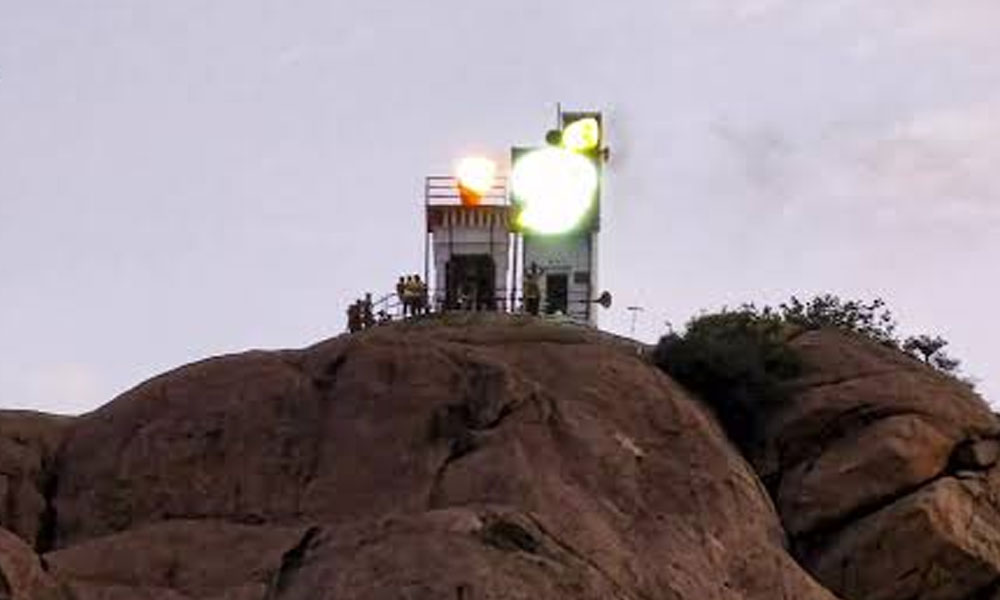
On the hill of Thiruparankundram, a sacred ritual is caught in the crosshairs of a deepening constitutional crisis. For devotees, the lighting of the Karthigai Deepam is a moment of profound spiritual significance. For the state of Tamil Nadu, it has become a site of administrative breakdown and legal friction. At the center of the storm is a dispute over where and how a traditional lamp should be lit, a disagreement that has escalated from a local religious observance into a direct confrontation between the judiciary and the executive.
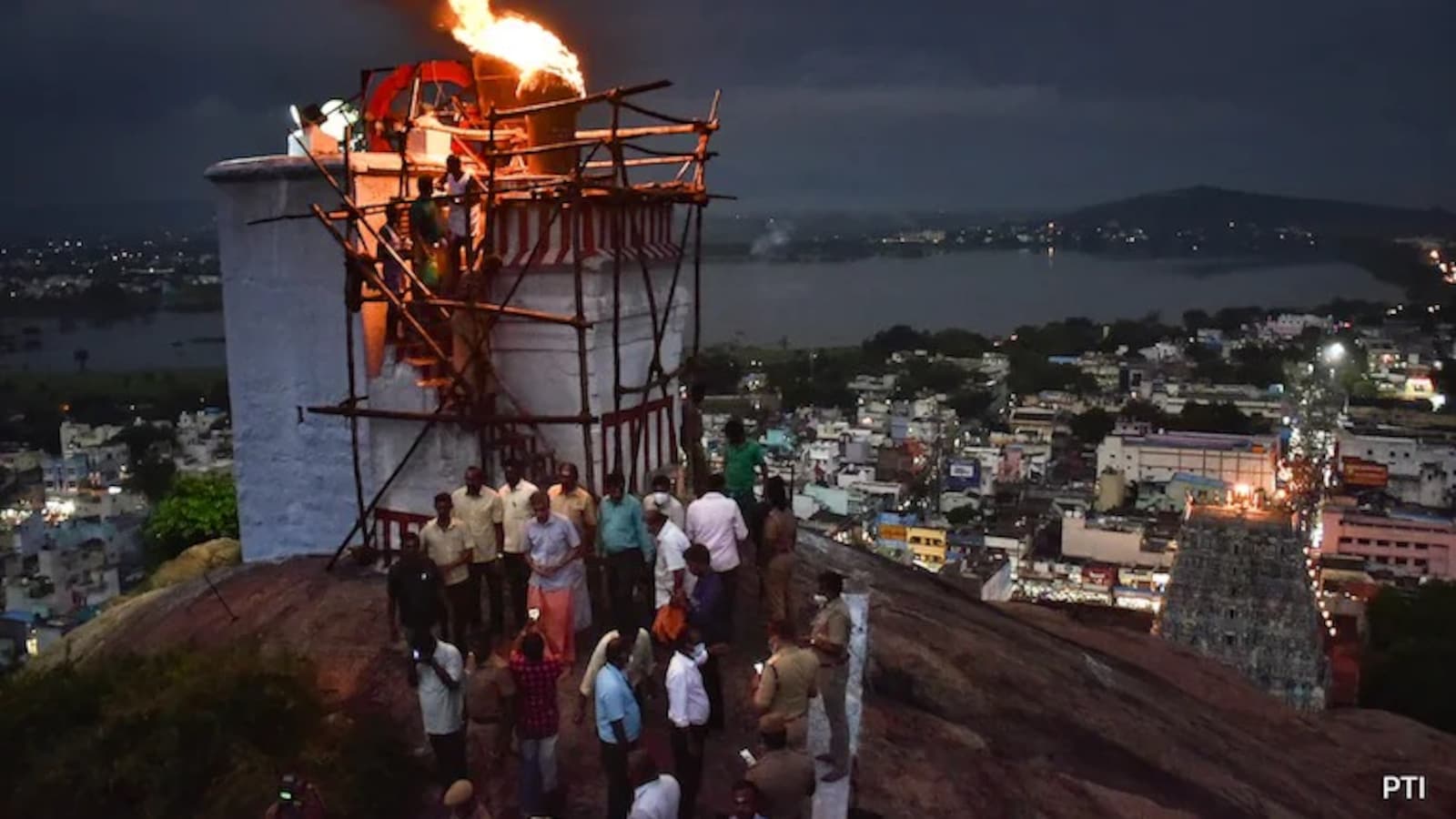
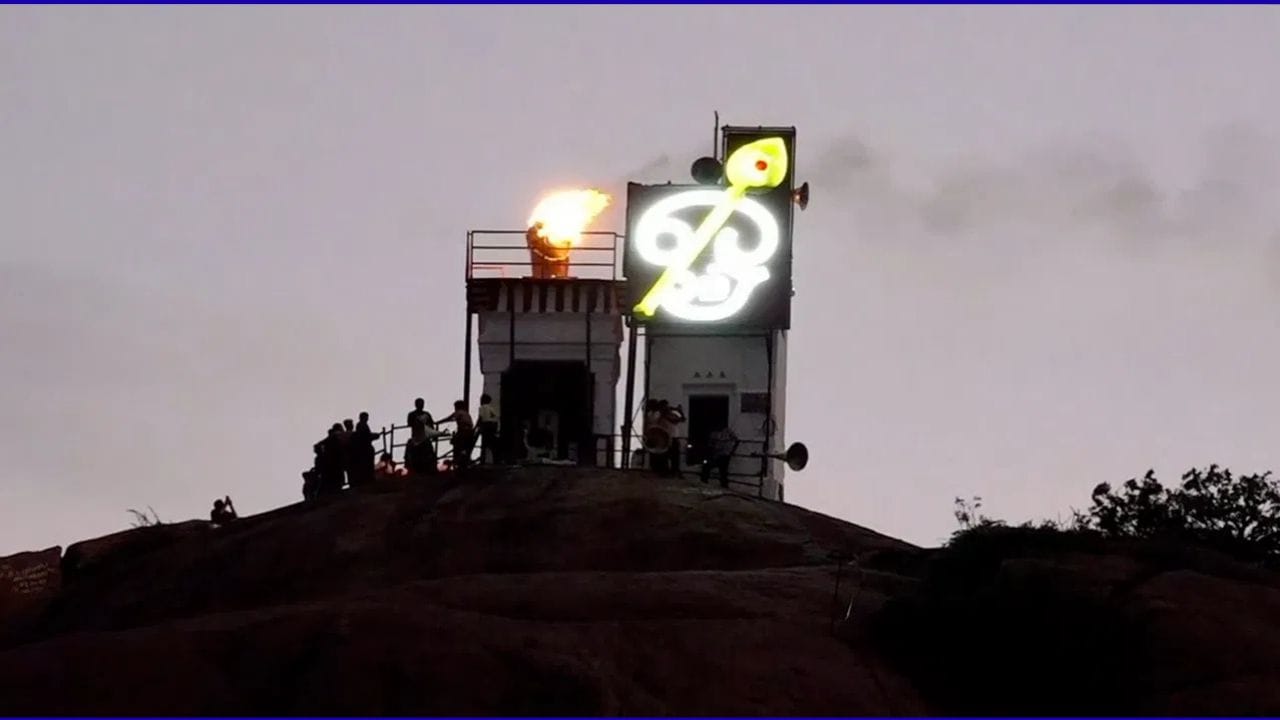
On November 24, the ritual took place, but not in the way the law had envisioned. Instead of the lamp being lit at the Deepathoon, it was lit only at the Uchippillayar mandapam. This deviation from the expected order set the stage for a dramatic judicial response. What began as a disagreement over a stone pillar—which some claim is a controversial marker and others argue is merely a British-era survey stone—has transformed into what the Supreme Court of India describes as a state of administrative chaos.
The Supreme Court, through a bench comprising Justices Aravind Kumar and Vipul M. Pancholi, has not been subtle in its assessment of the situation. The court observed that the sequence of events following its November 20 order revealed "a brazen and wilful disobedience." This was not merely a procedural error; it was a failure of the state to uphold the mandates of the highest court in the land.
The court has even suggested a practical continuity, directing the receivers to use the existing flame to light the lamp if possible.
In a scathing critique of the local administration, the bench noted that the Tamil Nadu Police had failed to implement previous orders. The court went further, suggesting that the breakdown in order was not accidental. "The chain of events that has unfolded in the instant case would indicate that the executive authorities seem to have acted at the dictates of their political bosses," the bench observed, adding that such actions must be unearthed to save the dignity of the court and maintain the purity of justice. The court warned that such behavior threatens the very foundations of a democratic society, cautioning against what it termed "constitutional anarchy."
To prevent further instability, the Supreme Court has moved to strip the local authorities of their control. In a decisive blow to the existing management, the court suspended the Board of Trustees of the Arulmigu Subramaniaswamy Temple. To ensure the ritual proceeds without further interference or political maneuvering, the court has appointed two retired High Court judges, Vaidyanathan and Parthiban, to serve as receivers of the temple trust.
These receivers are tasked with a specific, time-sensitive mission: ensuring the Deepam is lit at the Deepathoon on November 28. The court has even suggested a practical continuity, directing the receivers to use the existing flame to light the lamp if possible. This is no longer a matter of local governance; it is a court-managed operation designed to bypass the perceived paralysis of the state administration.
The judicial response has extended far beyond the temple gates. The Supreme Court has issued contempt notices to a wide array of high-ranking officials, including the Tamil Nadu Chief Secretary and the Director General of Police (DGP), along with thirteen other officials. This is a rare and severe measure, signaling that the court views the failure to comply with the November 20 order as a direct affront to its authority.
In a demand for transparency, the court has ordered the Tamil Nadu Chief Secretary to file a comprehensive affidavit. This document must detail the digital and verbal paper trail—including emails, telephone calls, and messages—that led to the current impasse. The court's message is clear: Justice Aravind Kumar noted, "No one can modify court orders as per their wishes."
As the deadline of November 28 approaches, the physical landscape of the ritual is being reconfigured by judicial decree. The Supreme Court has lifted its earlier stay on a Madras High Court ruling, allowing the Deepam to be lit, but with strict spatial constraints to manage the sensitivities surrounding the site. Devotees are permitted to light lamps, but they must maintain a minimum distance of at least 50 meters from the mosque.
To manage this delicate coexistence and ensure the safety of both the shrine and the devotees, the court has bypassed the local police entirely. The security of the temple perimeter has been handed over to the Central Reserve Police Force (CRPF). This shift to federal security forces marks the final step in the court's effort to insulate the ritual from local political and administrative volatility.
As it stands, the eyes of the nation are on Thiruparankundram. The transition from local temple management to court-appointed receivers and federal security represents an extraordinary intervention in the daily life of the state. The goal is to ensure that on November 28, the Karthigai Deepam is lit not as a symbol of political friction, but as a ritual conducted under the strict, unyielding guidance of the rule of law.