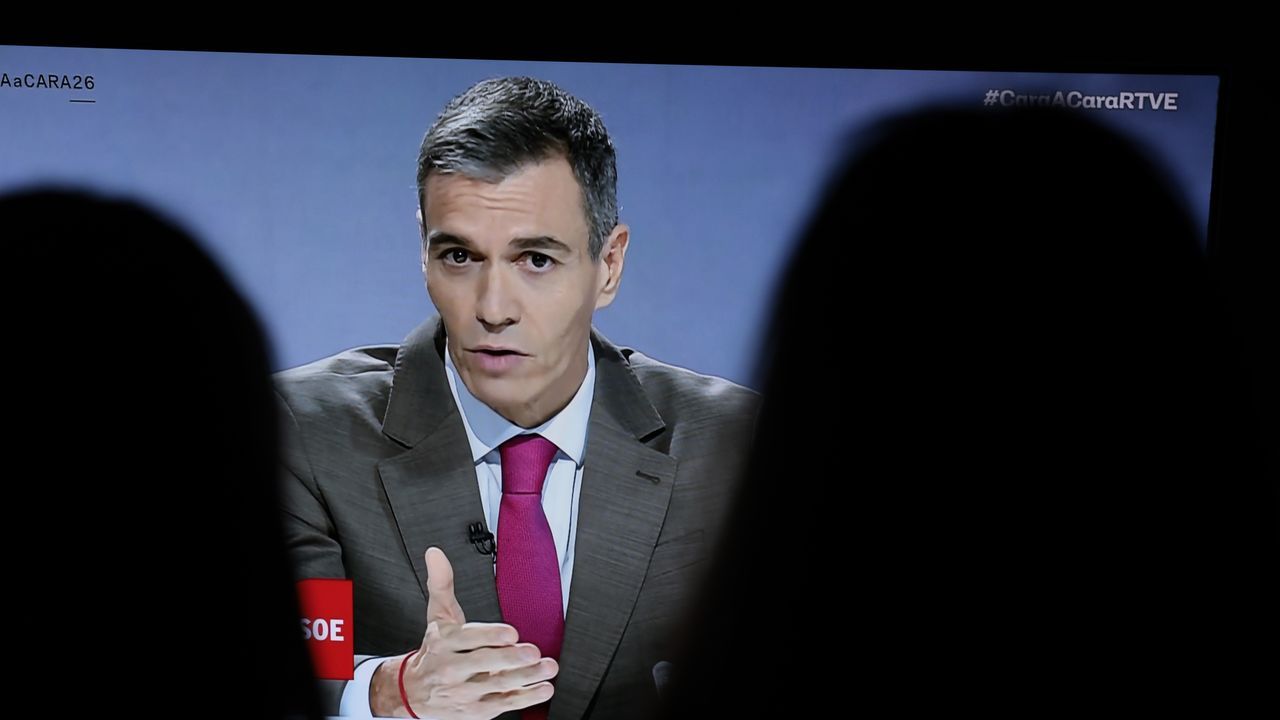
Spanish television audiences were treated to an unusual spectacle on the eve of the 2026 election: a 10-minute silence. Not a moment of reflection, but a pre-debate setup where Prime Minister Pedro Sánchez and opposition leader Alberto Núñez Feijóo sat motionless, captured from above by cameras, neither looking at each other. It was a stark contrast to the typical drama of political debates, setting the tone for an evening that would be more about restraint than fireworks.
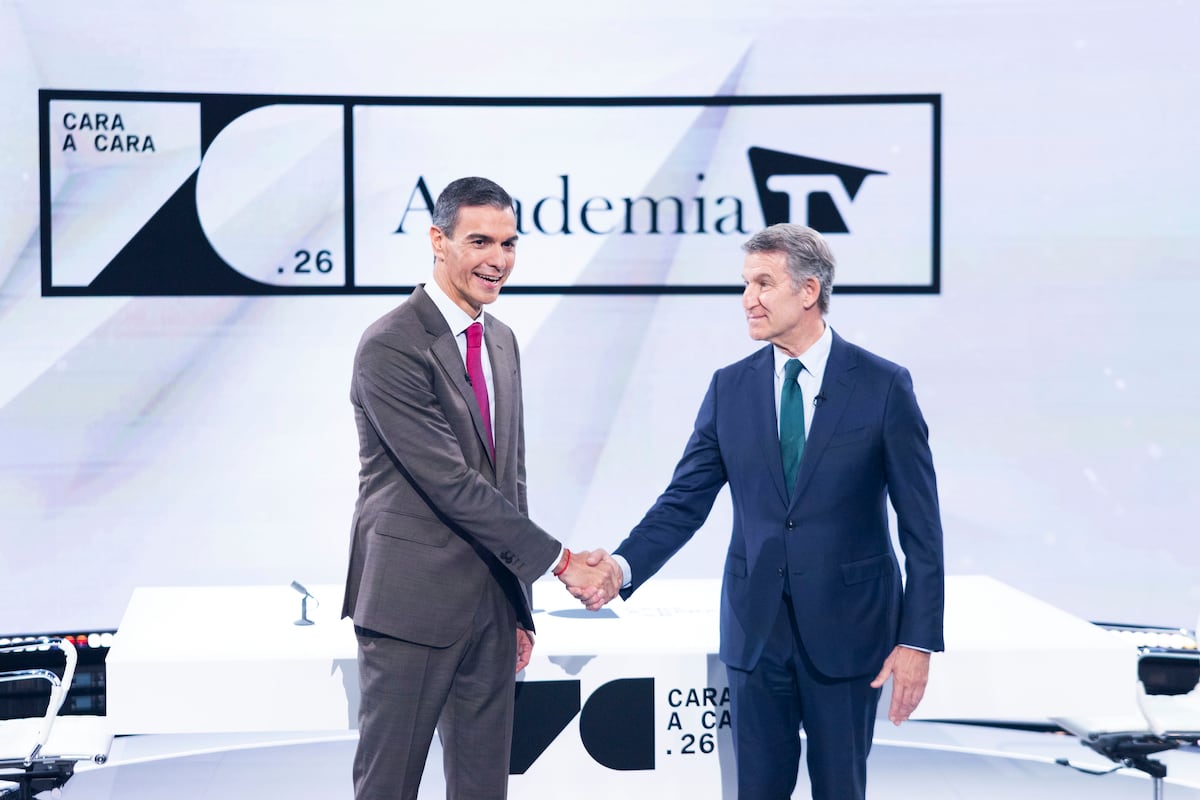
The debate, aired on RTVE, was a rare face-to-face encounter between the two leaders, who had seemingly engaged more with entertainment media personalities like Carlos Franganillo and Susanna Griso than with each other in the lead-up to the election. This dynamic was not lost on observers, who noted the candidates’ familiarity with the spotlight, yet their apparent discomfort in direct confrontation.
Unlike previous debates, this one was characterized by its sobriety. The candidates sat, avoiding the dramatic interruptions and physical props that often dominate such events. But beneath the surface calm, tensions simmered, particularly during the discussion on housing. Feijóo accused Sánchez of failing to execute 50% of the housing budget, a claim that sparked a series of interruptions as both leaders vied for the last word. 'Usted ha dejado de ejecutar el 50% del presupuesto de vivienda,' Feijóo asserted, his tone measured but firm. Sánchez, in response, quipped, 'Mucho trabajo les va a dar a los verificadores esta noche,' suggesting the fact-checkers would have their work cut out for them.
The exchange was more about maintaining positions than breaking new ground, leaving analysts to wonder if either candidate had truly connected with the electorate.
For Sánchez, the debate was a chance for redemption, a moment to reclaim the narrative after a tenure marked by scandals. Yet, despite maintaining composure, he appeared conservative, lacking the audacity to seize the moment. He apologized for past mistakes, acknowledging, 'No tengo un Gobierno perfecto. He cometido errores,' but this humility did not translate into a clear upper hand. Instead, he seemed to remain on the defensive, unable to establish dominance over Feijóo.
The exchange was more about maintaining positions than breaking new ground, leaving analysts to wonder if either candidate had truly connected with the electorate.
One of the most striking aspects of the debate was what it lacked: memorable moments. In an era where political discourse often thrives on spectacle, this encounter was notably subdued. The candidates’ interactions were more about dialogue—or, as they often claimed, being prevented from it—than about delivering knockout blows. 'Fue también un debate que no dio grandes momentos televisivos,' one observer noted, highlighting the absence of the kind of viral clips that define modern political campaigns.
Perhaps the most telling detail was the candidates’ comfort in entertainment media settings compared to this formal debate. Sánchez, in particular, had recently engaged more with television personalities than with his political rival. This raised questions about the role of traditional debates in an age where politicians are as likely to be seen on morning shows as in parliamentary chambers.
As the dust settles on the 2026 debate, the question remains: did either candidate emerge victorious? Sánchez’s failure to capitalize on the moment and Feijóo’s steady but unremarkable performance left the outcome ambiguous. The debate, with its 10-minute silence and interrupted housing discussion, will be remembered more for what it lacked than for what it achieved. In a political landscape hungry for drama, this sober showdown may have left viewers wanting more.