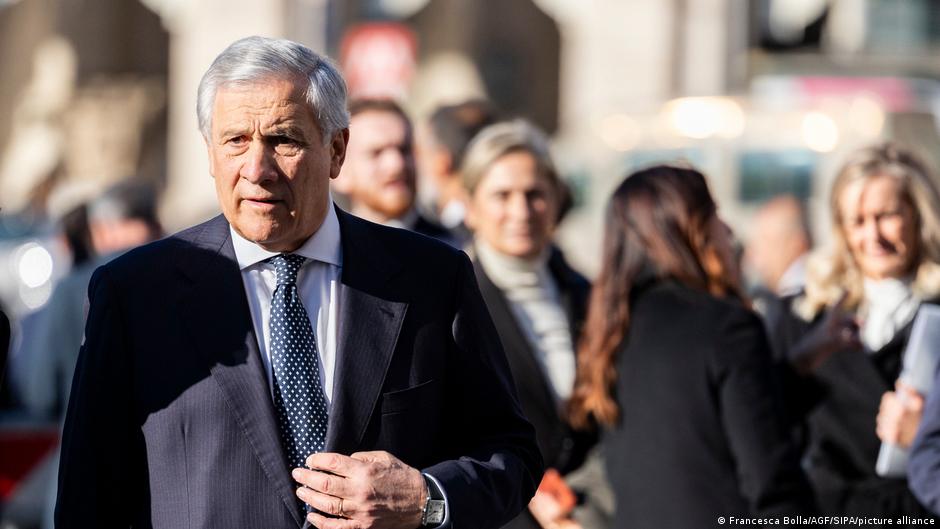
On a Saturday morning in late November 2026, Italian Foreign Minister Antonio Tajani found himself in the midst of a personal crisis. His personal data, including sensitive information about himself and his family, had been stolen and published on the Darknet. The news sent shockwaves through the Italian government and beyond, as Tajani's stance on Ukraine had long been a target for cyberattacks. He had previously faced similar threats, but this time the stakes seemed higher.
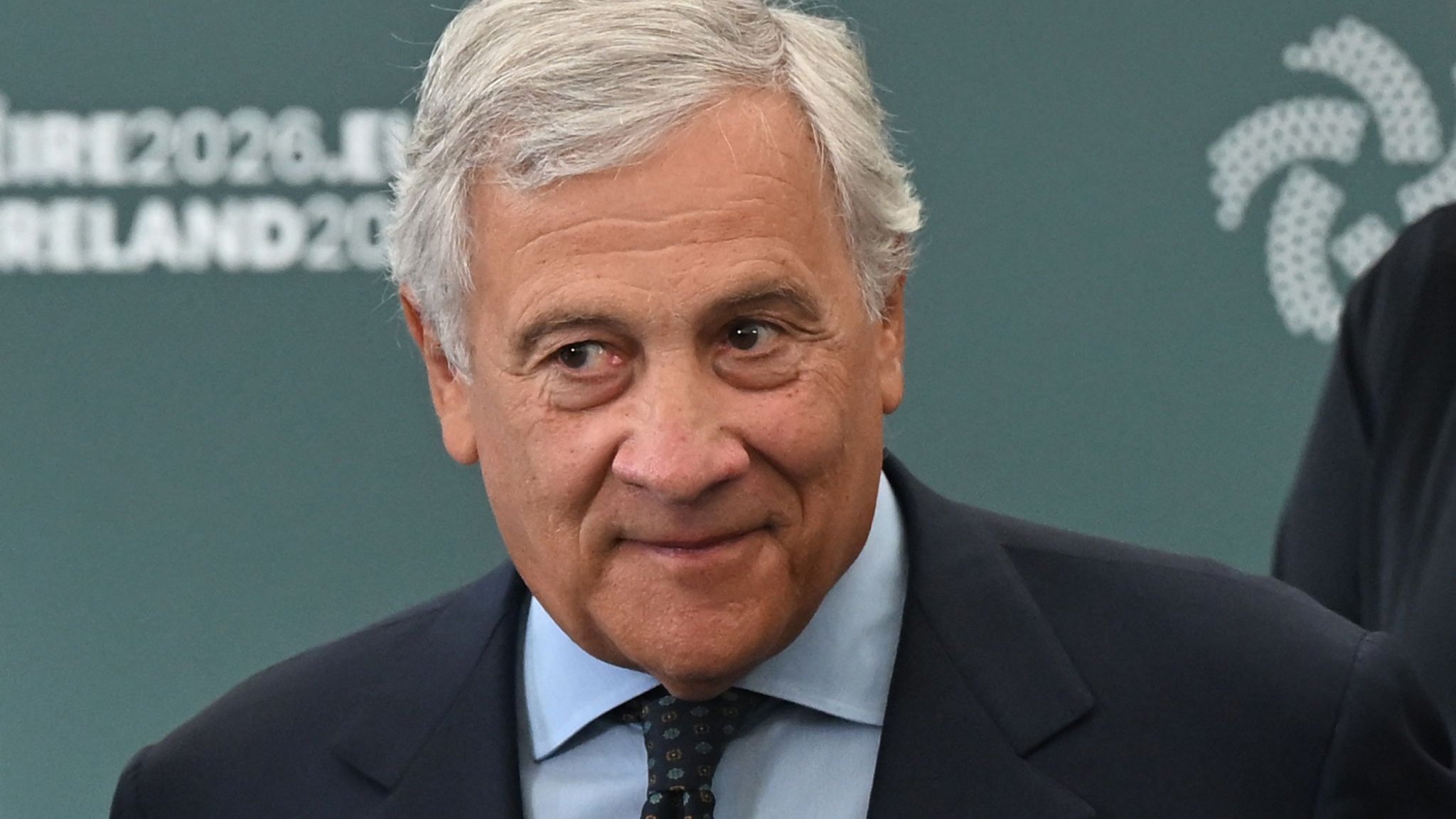
Tajani, a vocal supporter of Ukraine, had long been critical of Russia's invasion. His resolve, however, was not shaken. In a statement, he declared, 'Кіберзлочинці вже кілька днів поширюють мої особисті дані в даркнеті та шукають іншу інформацію, фактично наражаючи мене на нові загрози та залякування. Вони також втягують у це мою родину, готові платити за додаткові відомості про мене та моїх близьких.' (For days, cybercriminals have been spreading my personal data on the dark web and seeking other information, in fact exposing me and my family to new threats and intimidation. They also drag my family into this, ready to pay for additional information about me and my relatives.)
The incident did not go unnoticed by Prime Minister Giorgia Meloni. In a strong statement, she unequivocally blamed 'pro-Russian hackers' for the security breach. Meloni, a staunch supporter of Ukraine, declared, 'This is a matter of grave concern that must be addressed with the utmost determination.' Her words echoed those of Tajani, who vowed not to be intimidated. 'I will not allow myself to be intimidated in any way,' Tajani stated. 'I will continue working to defend my ministry, and Italy, and I will further strengthen the ties and cooperation to protect ourselves together.'
The group, known for its DDoS attacks and recruitment of supporters, has been a persistent threat to those who oppose Russia's actions.
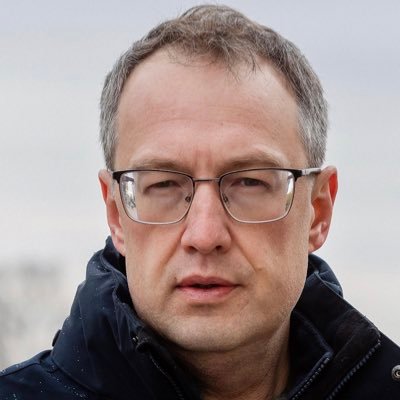
A crisis in international law and a period of chaos in the world are consequences of Russia's war in Ukraine, PM Meloni said. "It [Iran conflict] worries me, of course, because it would be foolish to believe that events far beyond our borders do not affect us. That is why Italy worked so hard to reach a serious agreement on Iran's nuclear program, particularly at a time when international law is faltering, and we cannot allow the current Iranian regime to have long-range missiles with nuclear warheads. The goal is to prevent the crisis from spreading, but I believe that nothing can improve unless Iran stops its attacks on the Gulf countries, which are completely unjustified," she said in an interview with TG5 programme.
The cyberattack on Tajani was not an isolated incident. It was part of a broader pattern of hybrid attacks targeting Europe, particularly those supporting Ukraine. These attacks have included drone incursions, sabotage, threats to media outlets, and bomb threats affecting aviation. The hacker group 'NoName057(16)' has been active since the start of Russia's invasion of Ukraine in 2022. The group, known for its DDoS attacks and recruitment of supporters, has been a persistent threat to those who oppose Russia's actions.
In response to the attack, Tajani announced the establishment of a special cyber security unit within the Ministry of Foreign Affairs. The unit is designed to counter cyber attacks from entities often in conflict with state bodies. Tajani's decision reflects a growing recognition of the need for robust cyber defenses in the face of increasingly sophisticated threats. 'The security of our officials and the resilience of our democratic institutions are paramount,' Tajani stated. 'We must be prepared to face these new challenges head-on.'

Italy's Meloni blames pro-Russian hackers for leak of foreign minister's data on the dark web https://t.co/gju82fhEOD
The cyberattack on Tajani also prompted a call for international cooperation. Tajani called for a meeting of G7 foreign ministers to address recent cyber attacks on Europe's critical infrastructure. The G7, a group of seven major industrialized democracies, has long been a forum for discussing global security issues. Tajani's call for action underscores the growing concern among European leaders about the security of their officials and the resilience of their democracies in the face of cyber threats.
The cyberattack on Tajani is part of a larger narrative of hybrid warfare. The incident comes at a time when tensions between Russia and the West are high, with the five-year Russian invasion of Ukraine continuing to shape global politics. The attack on Tajani highlights the personal risks faced by those who support Ukraine, and the broader challenge of protecting democratic institutions in the digital age. 'For days, cybercriminals have been spreading my personal data on the dark web and seeking other information, in fact exposing me and my family to new threats and intimidation,' Tajani stated. 'I will not allow myself to be intimidated in any way.'
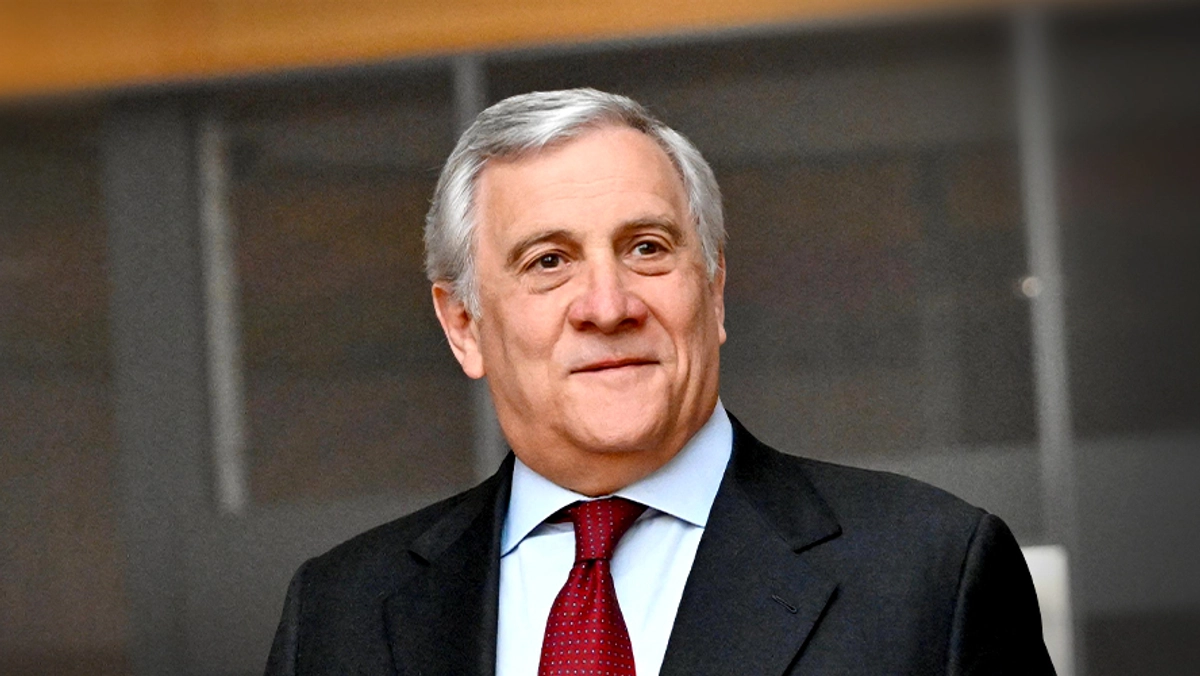
As the world watches, the incident serves as a stark reminder of the ongoing digital war against those who support Ukraine. The response from Tajani and Meloni reflects a growing determination to protect democratic institutions and officials in the face of these new challenges. The cyberattack on Tajani is just one part of a broader struggle, and the coming months will likely see continued efforts to strengthen defenses and counter the threats posed by pro-Russian hackers and other cybercriminals.