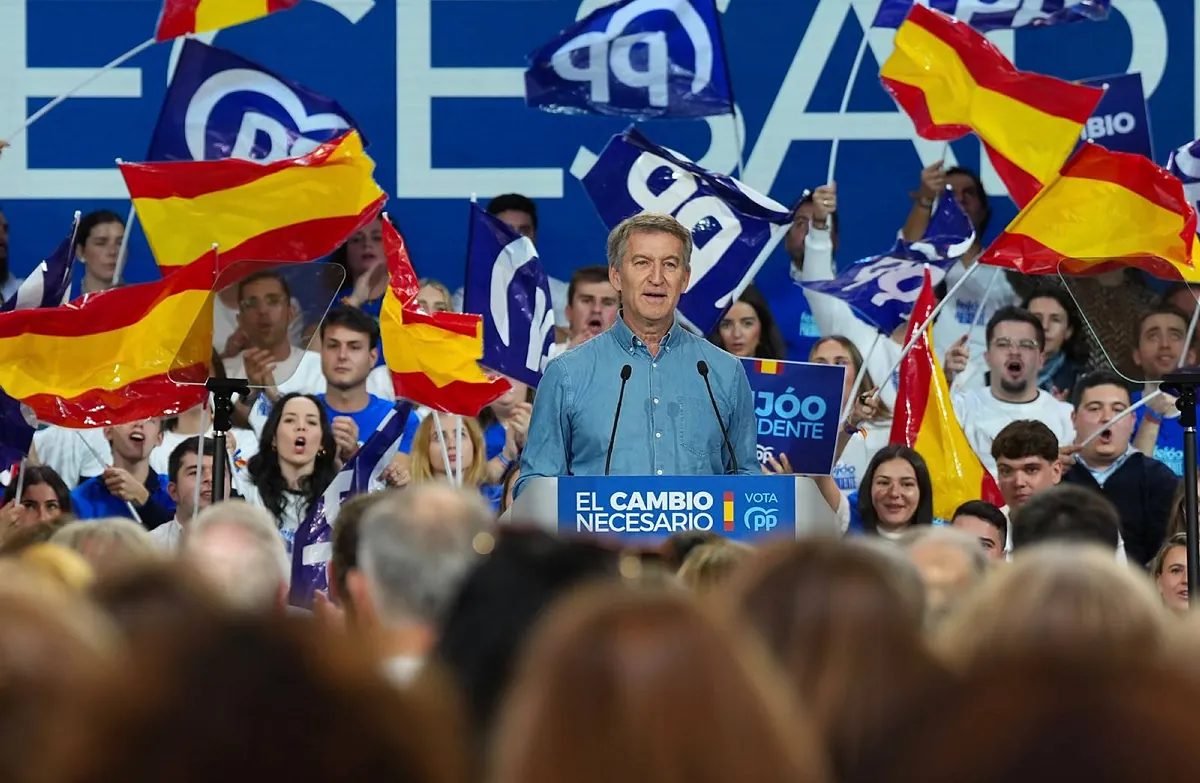
In the quiet rhythm of a political campaign, there are moments of planned rhetoric and moments of sudden, jarring disruption. For Jon Echeverría, the Partido Popular’s congressional candidate, the disruption arrived in the form of stones and firecrackers. In Hernani, the atmosphere shifted from the standard mechanics of a political tour to something far more volatile when radicals targeted Echeverría’s vehicle, pelting it with projectiles. It was an act of physical intimidation that sent a clear, violent message, momentarily stalling the momentum of a candidate moving through the Basque region.
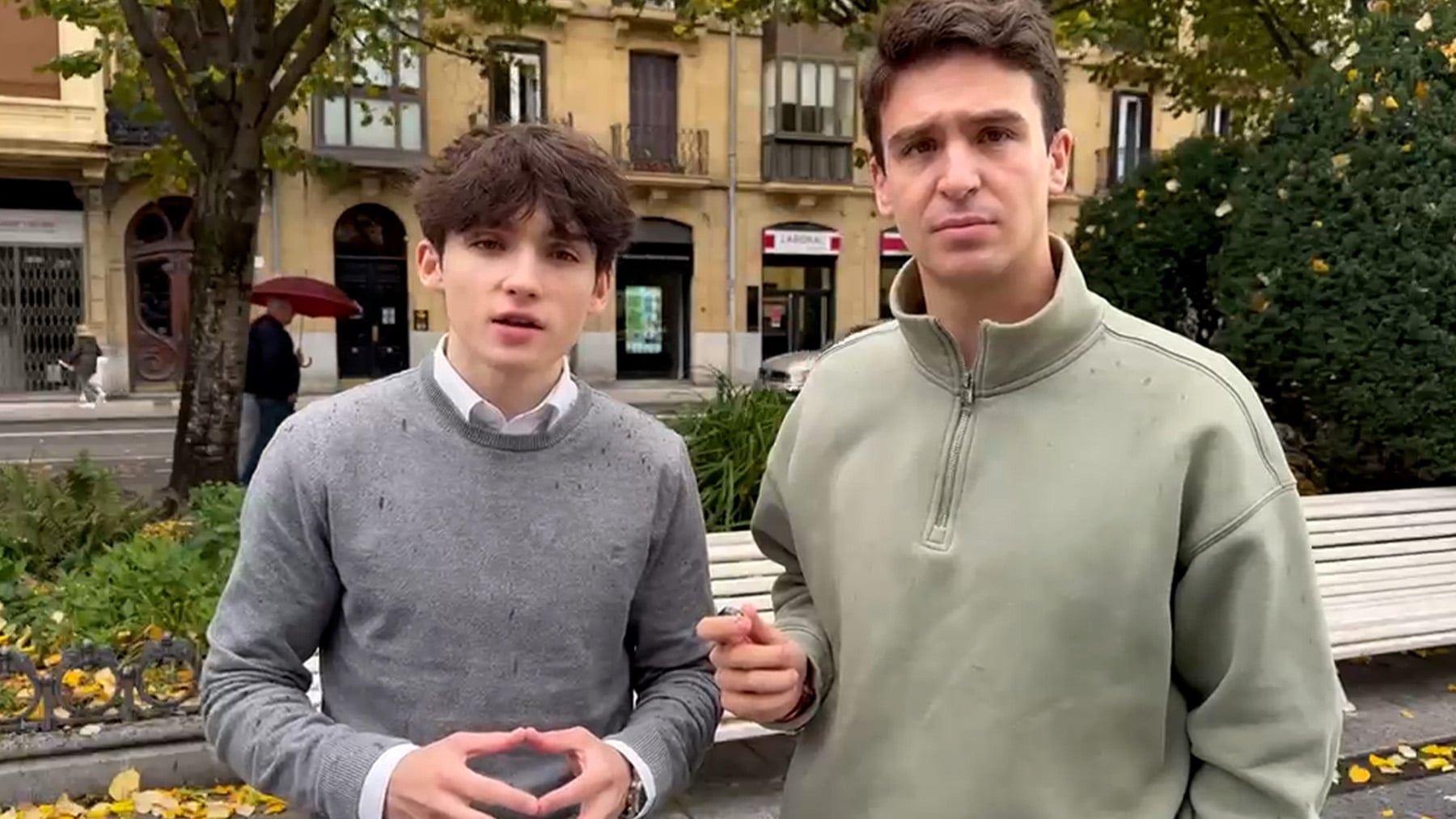
While the physical impact was felt in Guipúzcoa, the political reverberations were felt almost immediately in Santander. Alberto Núñez Feijóo, the leader of the Partido Popular, did not merely issue a standard condemnation; he used the incident to reshape his itinerary. On July 16, 2023, Feijóo announced that he would be heading to Guipúzcoa himself, a campaign stop specifically designed to stand in solidarity with Echeverría. It was a move intended to transform a moment of vulnerability into a demonstration of presence, signaling that the party would not be driven from the streets by intimidation.
Speaking at a rally in Santander, Feijóo addressed the violence with a tone of indignation that sought to frame the attack not just as an assault on a person, but as an assault on the democratic process itself. He did not shy away from the confrontational nature of the event, directing his words toward those who believe they can dictate the terms of political engagement through force. For Feijóo, the incident in Hernani was a test of who truly owns the public space in Spain.
To Feijóo, the Partido Popular represents a counterweight to this volatility.
"Who do you think you are?" Feijóo asked during his address, his voice carrying the weight of a leader attempting to reclaim the narrative. "The street is not yours; it belongs to the Spaniards, and you will never expel anyone." His rhetoric aimed to strip the radicals of their perceived authority, asserting that the right to campaign and the right to occupy public spaces are fundamental to the Spanish identity.
Feijóo’s message was not directed solely at the radicals in the streets, but also toward the halls of power in Madrid. By telling Pedro Sánchez to "tell his partners not to violence the campaign," Feijóo drew a direct line between the unrest in the Basque country and the broader political landscape. He framed the aggression as a symptom of a larger instability, suggesting that the political allies of the current government bear a responsibility to ensure that the democratic contest remains civil and free from the threat of radical interference.
To Feijóo, the Partido Popular represents a counterweight to this volatility. He characterized his own party as a bastion of stability, stating, "They are the example of freedom and of a democratic party." In this context, the attack on Echeverría was presented as an attempt to suppress the very freedom that the PP claims to defend.
As the party leaders gathered in Santander, the focus shifted from the immediate violence to the broader stakes of the upcoming elections. The rally was not merely a show of support for a single candidate, but a platform for local leaders to articulate a desire for a fundamental shift in the country's direction. The presence of key figures like María José Sáenz de Buruaga and Gema Igual underscored the unified front the party was attempting to project in the wake of the Hernani incident.
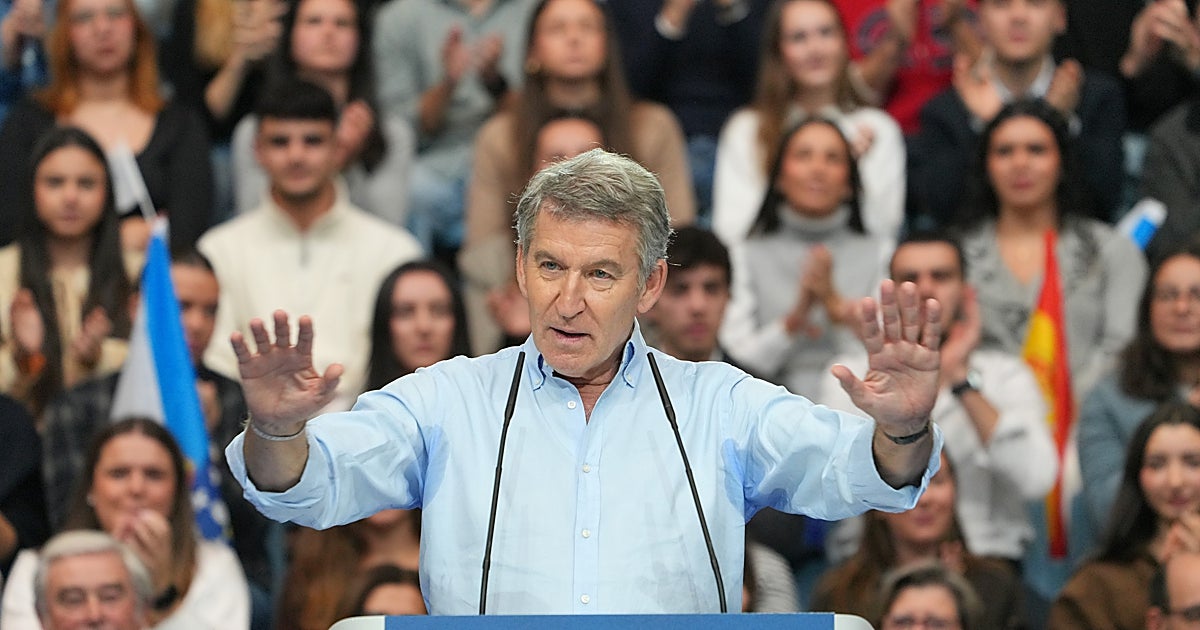
For Gema Igual, the upcoming vote is not just about policy, but about the very leadership of the nation. She posed a question to the crowd that sought to frame the election as a definitive turning point for the country's future: "Can you imagine November 30 without Pedro Sánchez in this country?" It was a rhetorical device intended to make the prospect of political change feel both imminent and necessary.
As the campaign moves forward, the shadow of the Hernani attack remains. Feijóo’s decision to travel to Guipúzcoa serves as a calculated attempt to ensure that the radicals' attempt to disrupt the campaign does not succeed in silencing the Partido Popular’s message. By bringing the leadership directly to the site of the aggression, the party is attempting to turn a moment of chaos into a structured movement of defiance, insisting that the path to the polls must remain open to all, regardless of the stones thrown along the way.