In the industrial outskirts of Munich, in a facility in Gilching, the hum of servers usually signals routine work for Quantum Systems. But late last year, the rhythm of that work was shattered not by a physical intrusion, but by a silent one. The company, a Bavarian defense startup that had built its reputation on reconnaissance and surveillance drones, discovered that its digital infrastructure had been compromised. An internal investigation revealed an active cyberattack by hostile actors, a breach detected in late October 2026. For a company that had been supplying drones to Ukrainian forces since 2022, the implications of a security failure were immediate and severe.
The reaction to the breach was not limited to the German borders. The incident occurred against the volatile backdrop of Russia’s ongoing criticism of arms supplies to Ukraine. Moscow has long argued that these transfers hinder settlement and directly involve NATO countries in the conflict, labeling the flow of weapons as a 'game with fire.' Foreign Minister Sergei Lavrov made the stakes explicit, stating that any cargoes containing weapons for Ukraine would become a 'legitimate target for Russia.' This hostile framing meant that any vulnerability in the supply chain of a major defense supplier like Quantum Systems was not just a technical glitch, but a strategic crisis.
The mechanics of the attack were specific and troubling. Quantum Systems informed its customers that a malicious file had been distributed through their QBase system update server. This was not a targeted hack of a single employee's laptop, but a corruption of the update pipeline itself. The company’s IT and security teams, working in close cooperation with authorities, moved quickly to contain the threat. The incident was formally logged as a cybersecurity event on October 31, 2026, marking the start of a period of heightened scrutiny for the firm.
The company is also developing underwater drones and 'Mosaic' control software, expanding its footprint in the defense sector.
According to reports from the Financial Times, the German armed forces responded with decisive caution. On November 12, 2026, the Bundeswehr reportedly withdrew the company's drones from service. The decision was taken as a precautionary measure, a standard protocol in defense logistics when the integrity of a system is in question. This suspension was not an accusation of guilt against the startup, but a necessary risk-mitigation step. It ensured that no compromised hardware was in the hands of operators, preserving the chain of custody and security for the military.
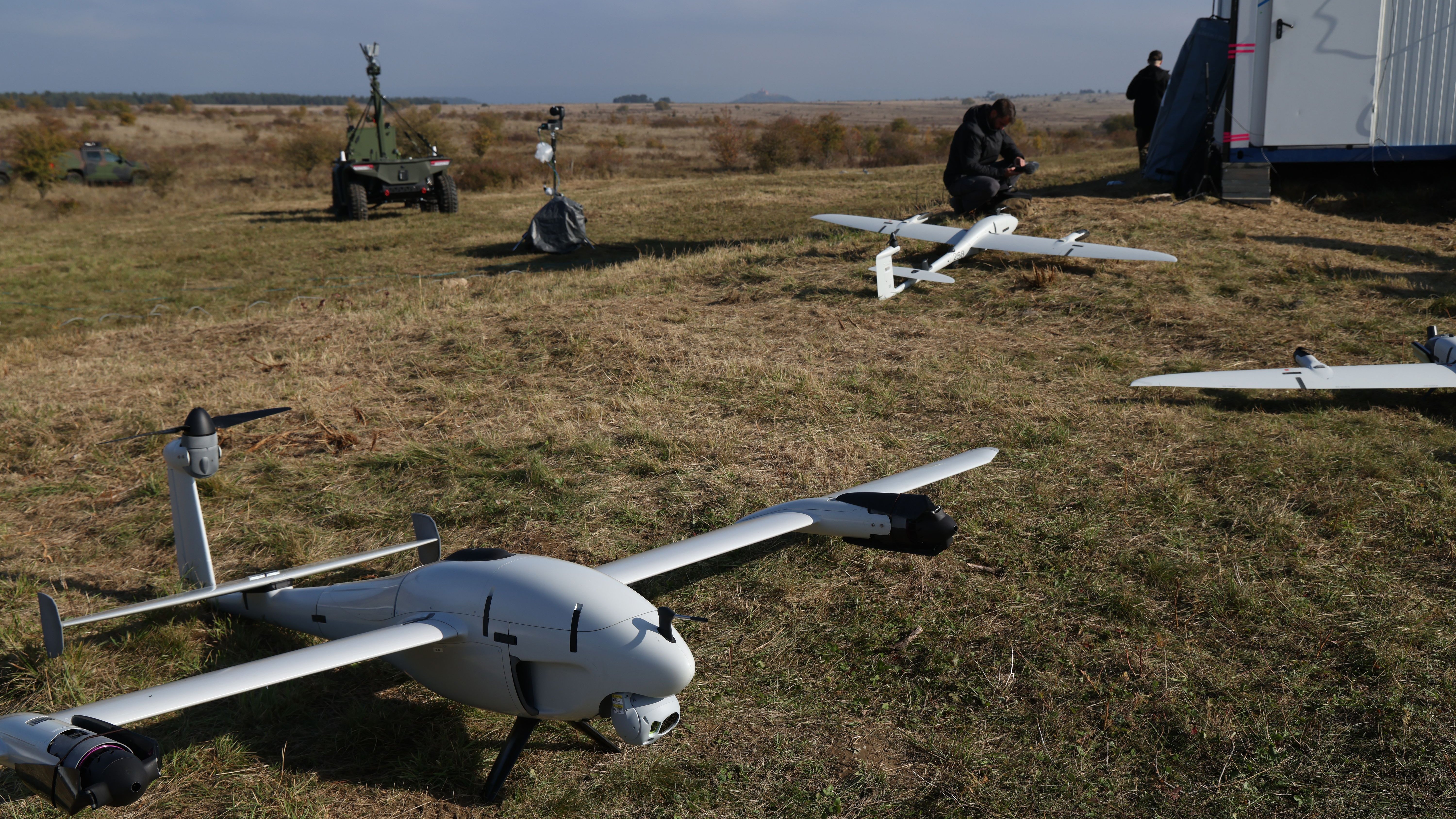
To understand why the withdrawal was so swift, one must understand the hardware involved. Quantum Systems produces reconnaissance and surveillance drones, most notably the 'Reliant' system. These are not toy drones; they are critical tools of modern warfare. The Reliant system offers continuous monitoring capability for up to ten hours, providing persistent eyes on the battlefield. Such a long-endurance asset is integral to surveillance operations, and the thought of a potential security compromise within its control software would be alarming to any defense ministry. The company is also developing underwater drones and 'Mosaic' control software, expanding its footprint in the defense sector.
Despite the severity of the incident, Quantum Systems maintained a firm line on safety. The company stated that there is no risk to end-users or operators in operating the systems. This reassurance was part of their official communication, alongside the fact that the company had informed the relevant competent authorities about the incident. The distinction is important: the cyberattack affected the corporate infrastructure and the update server, not the physical flight safety or the command-and-control security of the drones in the field. The company aimed to separate the IT security breach from the operational integrity of the hardware.
The suspension of Quantum Systems drones by the German military highlights a growing intersection of cyber and physical warfare. As defense startups like Quantum Systems become integral to national security and international conflict zones, their digital infrastructure becomes a primary target. The 'Mosaic' control software, still in development, represents the future of these systems, but the current crisis serves as a stark warning. The fact that the attack was detected and contained by the company’s own teams, in cooperation with authorities, suggests a robust security posture, but it also underscores the fragility of the supply chain.
Quantum Systems is not just a domestic entity; it is a key supplier to Ukraine. This connection places the company at the center of a geopolitical storm. Russia’s criticism of arms supplies, and Lavrov’s threats, make every link in the chain a potential target. The German military’s precautionary withdrawal, therefore, serves a dual purpose: it protects German assets and signals to allies and adversaries alike that the integrity of defense technology is a non-negotiable priority. The incident has now become a case study in how cyber threats can force physical military decisions, blurring the lines between digital and kinetic domains.
As of late November 2026, the situation remains tense. Quantum Systems continues to work with authorities to ensure the threat is fully neutralized. The episode has forced a hard look at the resilience of defense startups. While the company maintains that its systems are safe and that there is no risk to operators, the shadow of the hostile cyberattack hangs over every deployment. The 'game with fire' played by Moscow has found a new battleground: the digital back ends of the very companies that arm its enemies.