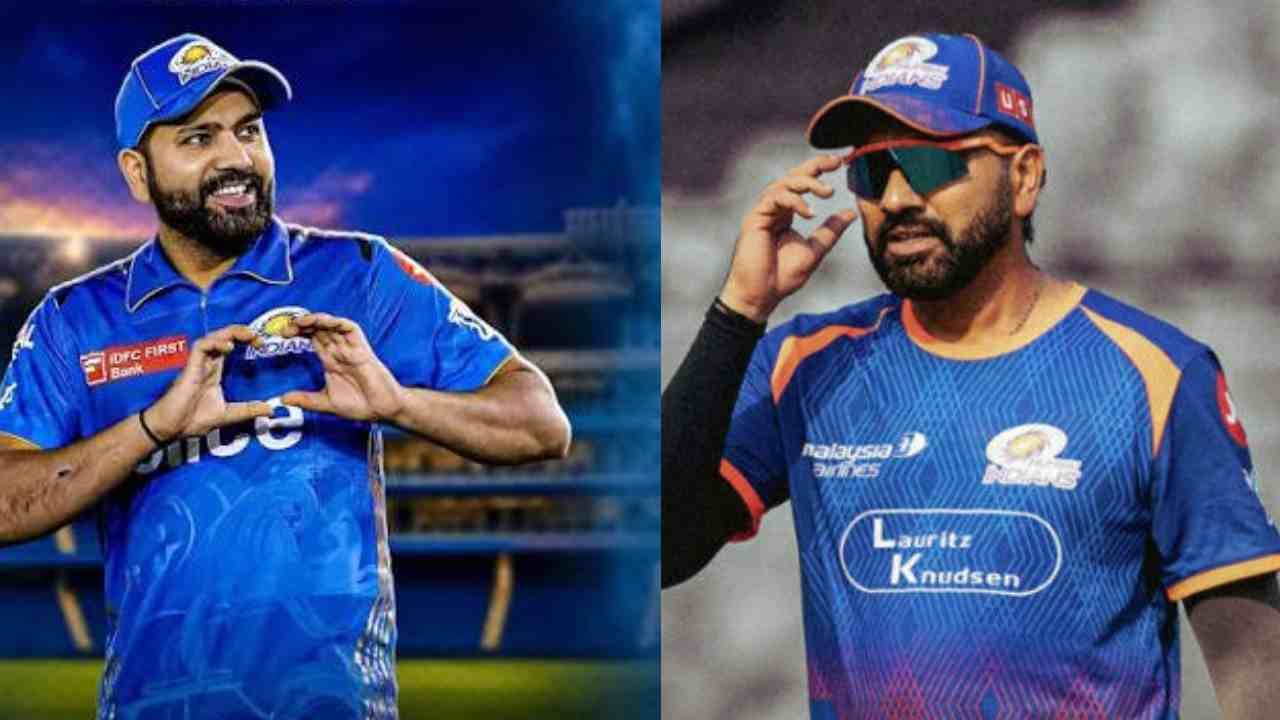
In the high-stakes theater of the Indian Premier League, leadership is often measured in trophies, but for the Mumbai Indians, it is measured in something far more enduring: identity. For three years, a void existed at the center of the franchise's leadership structure, a period of transition that left many wondering where the soul of the team resided. That question has finally been answered. Rohit Sharma, the man who defined an era of dominance, has been reappointed as the captain of the Mumbai Indians for the upcoming IPL 20th season.
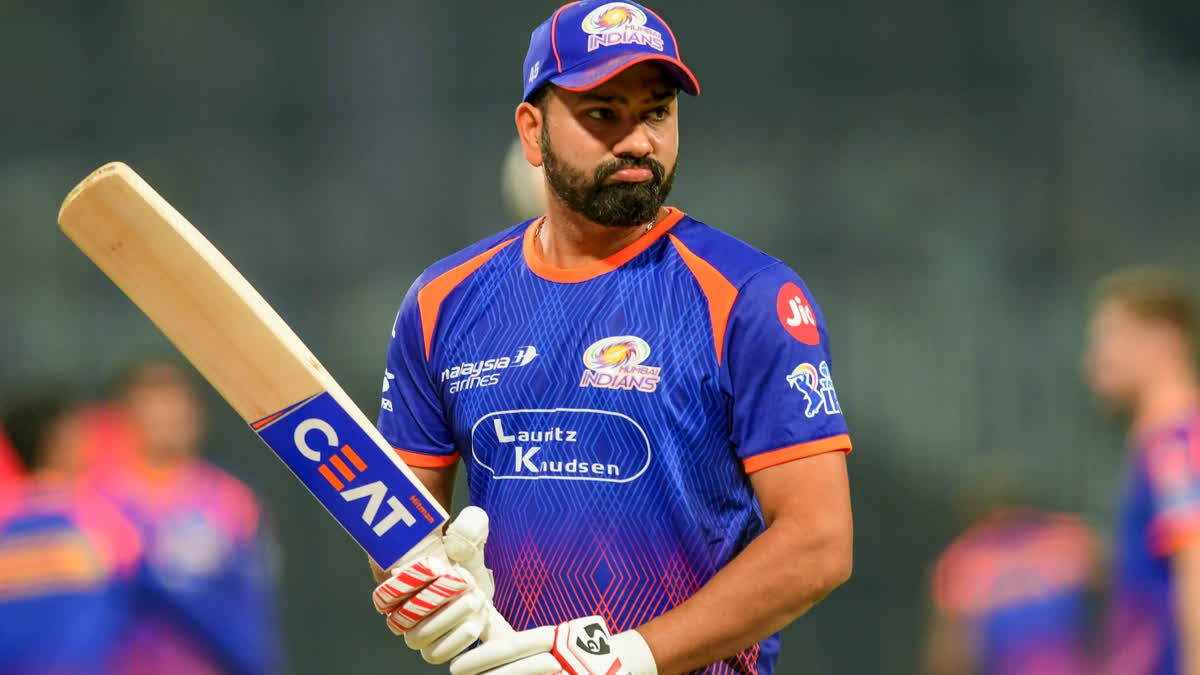
This is not merely a tactical reshuffle; it is a restoration. His reappointment marks a full circle for a player who grew alongside the franchise, evolving from a young talent into the cornerstone of a cricket dynasty.
To understand why this appointment carries such weight, one must look at the historical blueprint Sharma left behind. Between 2013 and 2020, the Mumbai Indians did not just compete; they conquered. Under Sharma's stewardship, the team secured five IPL titles, a feat of consistency that cemented their status as one of the most successful franchises in the history of the league.
The franchise's decision to pivot back to Sharma suggests a desire to reconnect with the values that fueled their most successful years.
His leadership style was never just about the mechanics of the game, but about the culture of the dressing room. The franchise has noted that his journey has been one of profound growth, transforming from a player into a champion leader and, crucially, a member of the family. This sense of belonging is what makes his return feel less like a business decision and more like a homecoming.
The path to this reappointment was cleared by a significant shift in the team's personnel. On November 27, 2026, the landscape of the Mumbai squad changed fundamentally when Hardik Pandya was traded to the Punjab Kings. This move signaled the end of a specific chapter for Mumbai and created the vacuum necessary for Sharma to step back into the spotlight.
While trades and roster changes are common in the IPL, the departure of a player like Pandya—who had occupied the captaincy role during Sharma's absence—set the stage for a return to the foundational leadership that fans have long associated with the blue jersey. The franchise's decision to pivot back to Sharma suggests a desire to reconnect with the values that fueled their most successful years.
For Sharma, the return to the captaincy is deeply personal. He has spoken of the role not as a job, but as a core component of his identity. "Mumbai Indians is a big part of my life," Sharma remarked, reflecting on the deep ties he has cultivated over more than a decade. "Leading this team has always been a matter of pride for me."
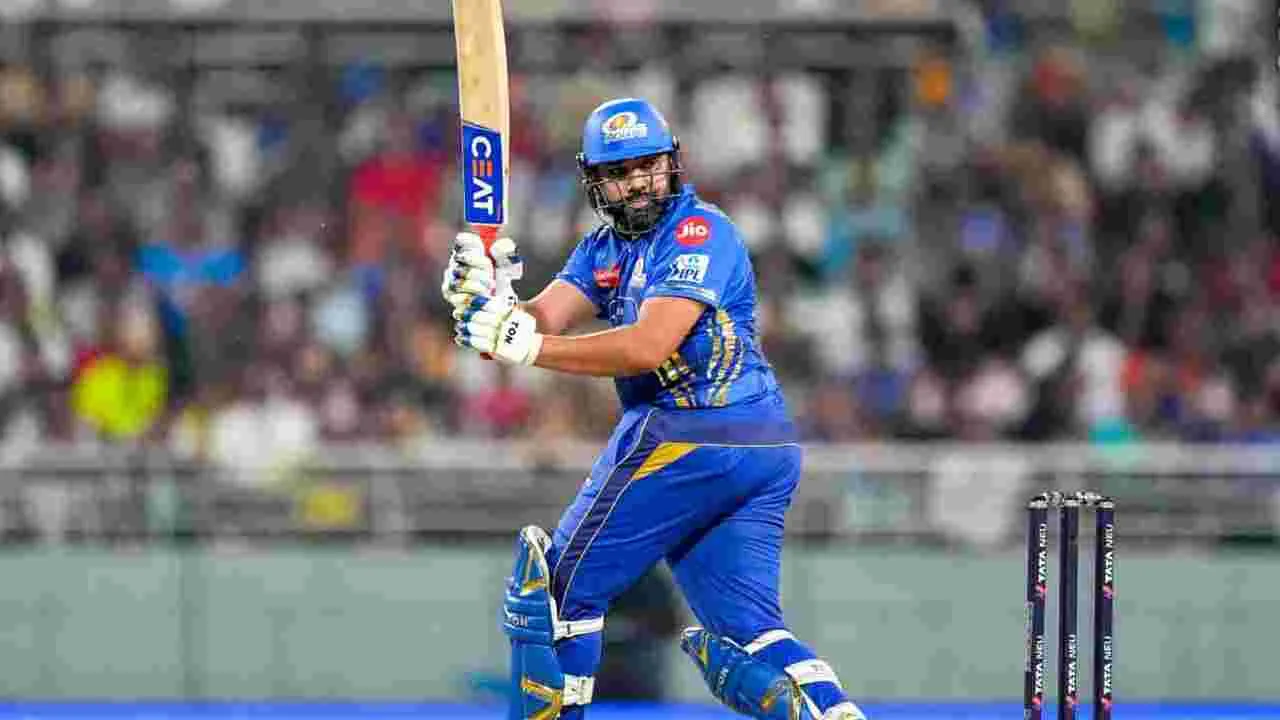
This sentiment is echoed by the leadership within the franchise itself. Nita Ambani expressed the collective emotion of the organization, noting the immense joy and pride in watching Sharma's evolution. To the Mumbai Indians, he is not just a captain; he is a witness to the team's rise, a figure who embodies the transition from a young cricketer to a seasoned champion and leader.
As the league prepares for its landmark 20th edition, the expectations are naturally high. Sharma is not returning merely to occupy a seat, but to rebuild. He has signaled a clear intent to move forward with a specific philosophy, one that prioritizes the collective over the individual. "We will play our own style of cricket, compete with unity and enjoy the game," he stated, outlining a vision of cohesion that mirrors the championship-winning squads of his past.
There is a palpable sense of optimism surrounding this new chapter. Sharma has expressed full confidence in the squad's potential, stating, "I am fully confident about what we can achieve." It is a confidence built on the memory of five trophies and the hard-earned lessons of the last three years.
The upcoming season will be a test of whether the magic of the 2013–2020 era can be recaptured in a new age of cricket. The focus now shifts from the politics of trades and reappointments to the grind of preparation. Sharma is acutely aware that the prestige of the captaincy must be earned anew on the pitch.
"We will work hard to create many memorable moments," Sharma said, looking toward the horizon. As the Mumbai Indians prepare to take the field, they do so with a leader who knows exactly what it takes to win, and a franchise that is betting heavily on the return of its most iconic architect.