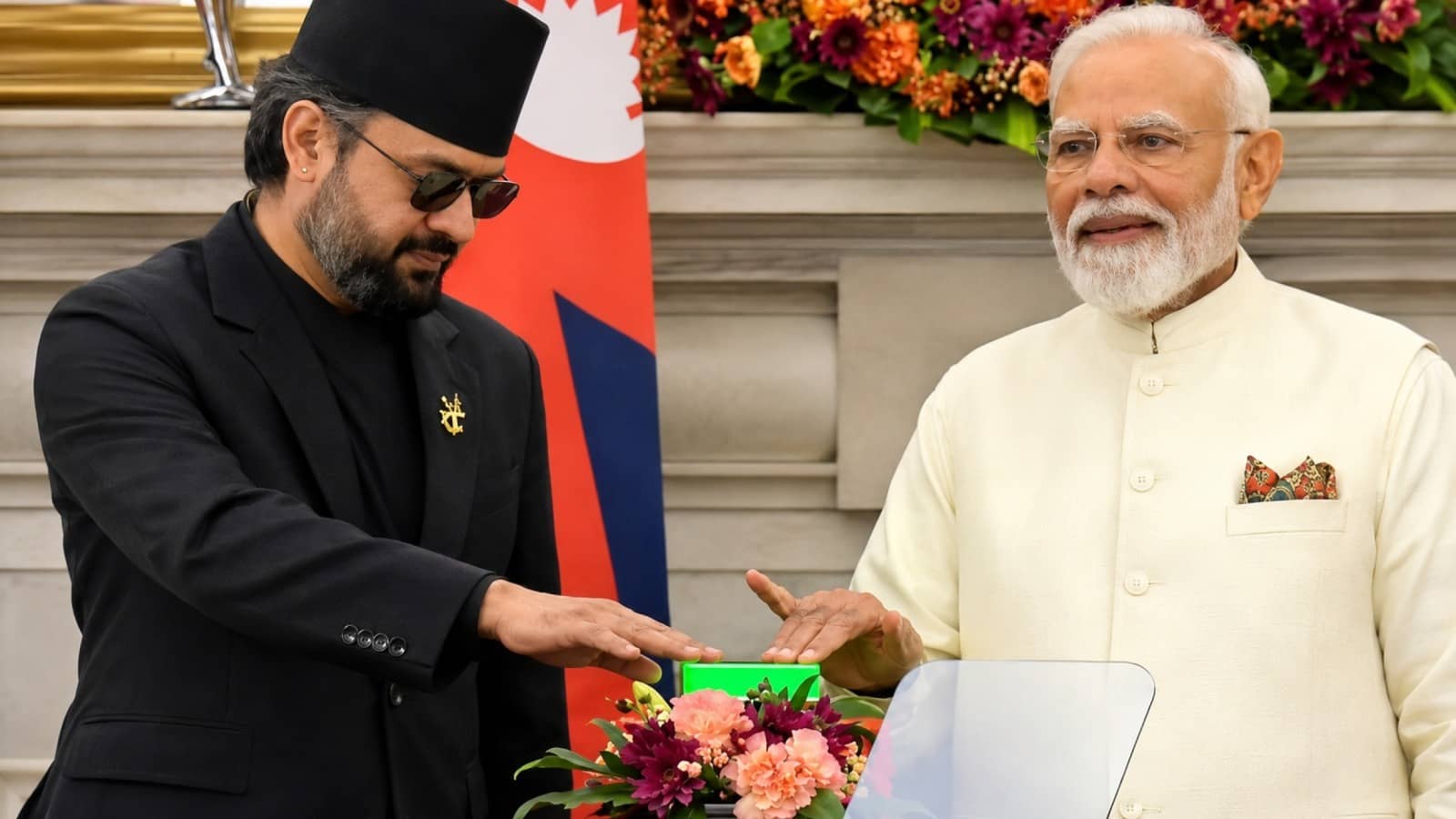
On November 23, 2026, the diplomatic landscape between India and Nepal reached a significant turning point. Prime Minister Narendra Modi welcomed Nepal’s Prime Minister, Balendra Shah, to New Delhi for a two-day state visit that sought to transcend recent tensions. For the 35-year-old Shah, this marked his first bilateral visit since assuming office, a moment of high stakes for both nations. As the leaders convened, the atmosphere was defined by a shared desire to move past recent border disputes and toward a future anchored in cooperation. Prime Minister Modi set the tone early, remarking, "I am delighted to welcome Nepal Prime Minister Balendra Shah to India on his first bilateral visit since assuming office."
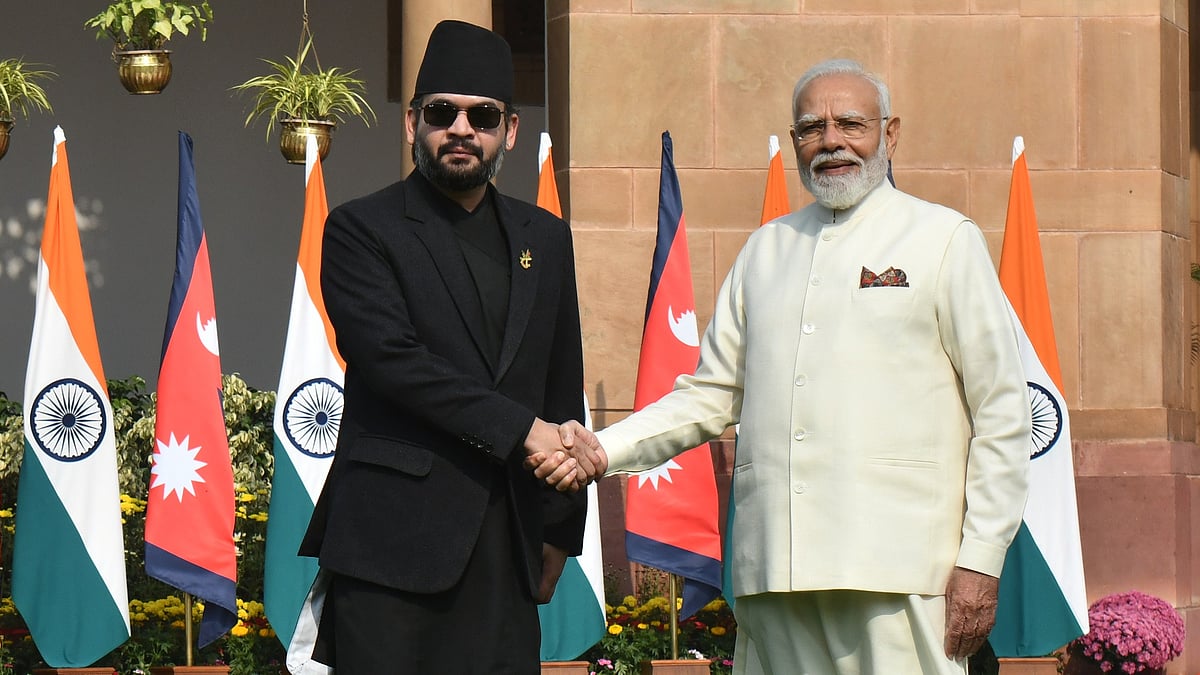
The relationship between India and Nepal has long been described as unique, characterized by geography and history. During the talks, Prime Minister Modi emphasized that the connection between the two nations is not merely one of proximity. "India and Nepal are not just neighbours," he noted. "We are bound by deep-rooted ties of trust and friendship." This sentiment was echoed by Prime Minister Shah, who underscored the enduring nature of the partnership, stating, "The relations between India and Nepal stand as firm as the Himalayas and as vast as the oceans."
The most tangible outcome of the summit was the announcement of a massive development cooperation package. In response to the devastating floods that struck Nepal on August 1, 2024, India pledged 24,000 crore Nepalese rupees—valued at approximately 15,109 crore Indian rupees—to assist in post-flood reconstruction and long-term development. Prime Minister Modi framed this as a vital step for regional stability, declaring, "And today, to give renewed strength to Nepal's reconstruction and long-term development, we announced a development cooperation package of 24,000 crore Nepalese rupees."
Connectivity was a central theme of the visit, with both leaders focusing on infrastructure as the backbone of future prosperity.
Beyond the financial package, the two leaders oversaw the signing of eight memoranda of understanding (MoUs). These agreements represent a strategic effort to formalize cooperation across several key sectors. While the specifics of these documents are broad, they serve as the framework for the "Neighbourhood First" policy that guides India’s regional engagement. This policy is not just a diplomatic doctrine but a practical commitment to ensuring that India remains a reliable partner for Nepal, particularly in the consistent supply of fuel, fertilizers, and other essential goods.
Connectivity was a central theme of the visit, with both leaders focusing on infrastructure as the backbone of future prosperity. During the summit, they inaugurated several India-assisted projects and officially flagged off a new cross-border rail link connecting Ayodhya and Janakpur Dham. This rail line is more than a transport route; it is a symbolic and functional bridge between two culturally significant regions, intended to facilitate the movement of people and goods, thereby deepening the integration of the two economies.
As the visit concluded, the focus remained on the resilience of the bilateral bond. Prime Minister Modi’s closing remarks captured the essence of the summit, framing the relationship as one of "kinship and unbreakable trust." By addressing the immediate needs of Nepal following the 2024 floods while simultaneously laying the groundwork for long-term infrastructure, the two leaders have signaled a shift toward a more collaborative era. As both nations move forward, the agreements signed in New Delhi stand as a testament to their shared commitment to navigating regional challenges together.