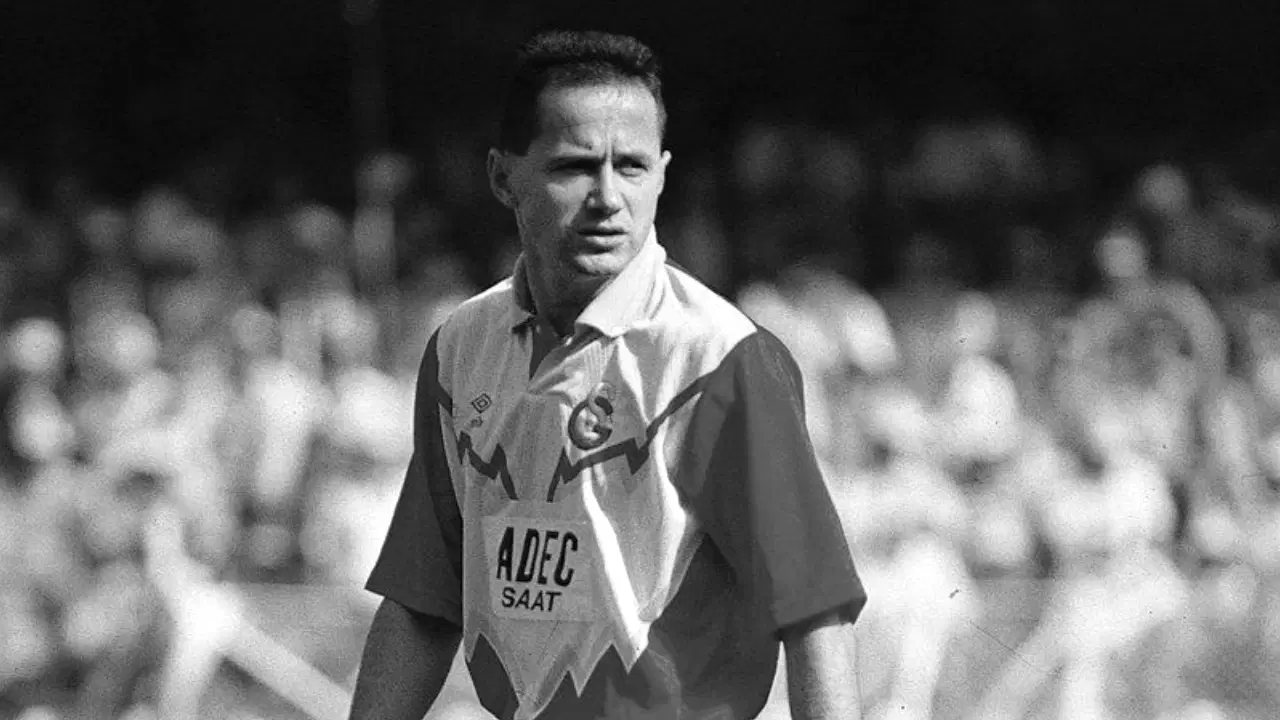
On November 8, 2026, the football world paused to acknowledge the loss of a man whose career spanned decades and borders. Dževad Prekazi, widely known in Turkish media as Cevad Prekazi, passed away at the age of 69. His death was confirmed by his former club, Partizan, which expressed its grief with words that carried the weight of a legacy spanning nearly half a century. For those following the sport in the Balkans and beyond, this was not merely a personal tragedy but the end of an era for one of the region's most recognizable figures.
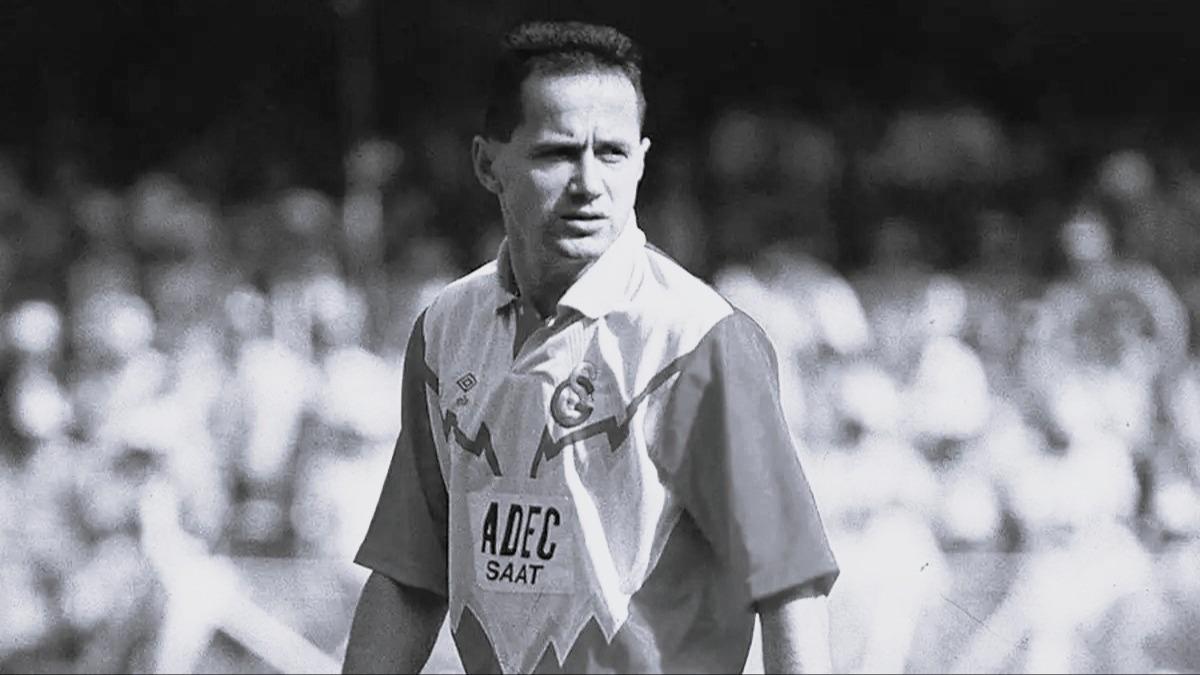
Prekazi’s connection to Partizan was not just professional; it was deeply personal. He wore the black‑and‑white kit from 1976 to 1983, a period that cemented his status within the club’s history. During these years, he made 175 appearances for the team. In the context of European football, where match counts often fluctuate based on league structure, reaching 175 games over a seven-year span indicates a consistency and longevity that few players achieve. It suggests a player who was not only present but essential to the squad’s rhythm. When he left Partizan, he did not sever ties. He frequently visited the stadium, calling it his second home, and remained invested in the team’s results long after his playing days ended. This loyalty is often what separates a casual supporter from a true icon.
The statistics from his time in Belgrade speak to his impact beyond the pitch. Prekazi scored 23 goals during his tenure. While the number may seem modest compared to modern scoring standards, the significance lies in the titles he helped secure. He won three league titles with Partizan: the seasons 1975/76, 1977/78, and 1982/83. These victories were not accidental; they represented periods where the club rose above its competitors. Furthermore, in 1978, he was part of the squad that won the Mitropa Cup. This competition was a significant continental trophy for clubs outside of Europe’s top leagues at the time, highlighting the high level of play required to reach the final. Winning this cup alongside domestic championships marked him as a key architect of success during that specific window in the late 1970s.
His presence in Istanbul was so significant that even a street in the city was named after him.
After leaving Partizan, Prekazi moved to Hajduk before his path led him to Turkey. There, he played for Galatasaray, Altay, and Bakırköyspor. His association with Galatasaray became particularly notable. The Turkish media recognized him as a legendary figure associated with the club. This transition from the Balkans to Turkey illustrates the fluidity of football careers in the 1970s and 80s, where talent often flowed between nations without strict boundaries. His presence in Istanbul was so significant that even a street in the city was named after him. Such a gesture is rare for foreign players and speaks to a level of integration where a community adopts a stranger into their local identity. It underscores how his reputation transcended the mere act of playing matches; it became embedded in the geography of the city itself.
Even as news of his passing circulated, evidence of his enduring engagement emerged from digital archives. Approximately one year prior to his death, Prekazi had appeared on Galatasaray’s official YouTube account. In this appearance, he discussed his experiences and relationship with the club. This recent activity serves as a bridge between the past and the present, reminding fans that he remained active in the narrative of the team until very recently. It adds a layer of immediacy to the announcement of his death, suggesting that while his physical journey ended, his voice and stories remained available to the public. This detail humanizes the statistic of his age, showing that he was still speaking to the world when the final chapter closed.
The funeral location and time will be announced later, leaving details open for the immediate future. However, the emotional response from the club was immediate and profound. Partizan Futbol Kulübü issued a statement expressing great sorrow and grief upon hearing the news. They described the event with a sense of finality that resonates with the gravity of losing a player of his stature. Prekazi himself thanked everyone involved and wished for peace in the afterlife. As the football community processes this loss, the focus remains on the contributions he made across two countries and the specific achievements that define his place in history. His story is one of endurance, from the streets of Belgrade to the arenas of Istanbul, ending now at the age of 69.