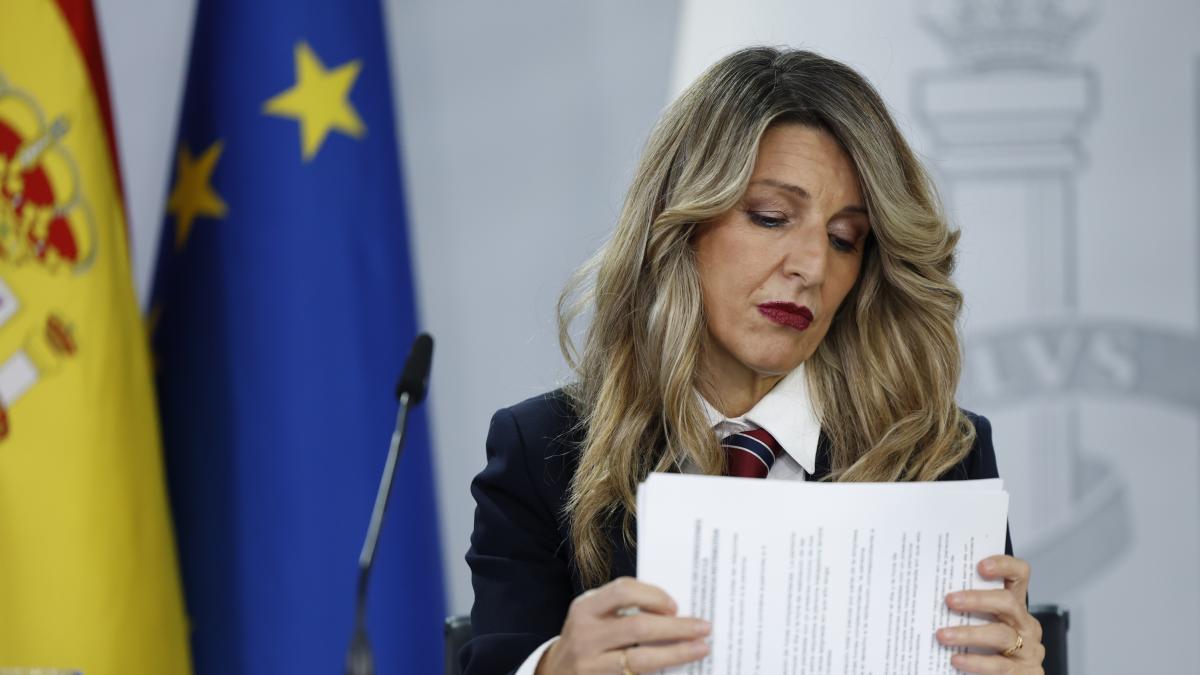
On Tuesday, the Spanish government took a significant step in its commitment to worker welfare, approving a 5.3% increase in the interprofessional minimum wage for 2027. The new rate, set at 1,286 euros gross per month across 14 payments, represents a substantial boost for the country's lowest-paid workers and brings Spain closer to meeting European social standards.
The increase amounts to 65 euros more per month compared to the current minimum wage of 1,221 euros. For workers, this translates to an additional 910 euros annually compared to the previous year—a meaningful increase in a country where many families live paycheck to paycheck. "We are giving good news to the workers of our country," stated Vice President Second and Minister of Labor Yolanda Diaz, emphasizing the government's commitment to improving workers' financial security.
The decision to finalize the raise before November 29 elections reflects the government's strategic approach to social policy. By implementing this increase ahead of the vote, the administration aims to demonstrate its tangible achievements to voters, potentially influencing electoral outcomes through direct economic benefits to a significant portion of the electorate.
For workers and employers alike, the distinction between payment structures matters.
In a move designed to maximize the impact of the wage increase, the government has approved a tax deduction ensuring that minimum wage workers will not pay income tax (IRPF) on their earnings. This policy decision effectively increases the net take-home pay for these workers beyond the gross figures, addressing a common concern that tax obligations can diminish the benefits of wage hikes.
The 2027 increase continues a trend of rising minimum wages in Spain since Prime Minister Pedro Sanchez took office in 2018. Over this period, the minimum wage has grown by nearly 75%, reflecting the government's progressive approach to income redistribution and worker protection. This sustained commitment has positioned Spain among European leaders in minimum wage growth.
The new minimum wage rate ensures that Spain's SMI remains at least 60% of the average national salary, a benchmark established by the European Committee of Social Rights. This alignment demonstrates Spain's compliance with European social standards while potentially setting an example for other member states grappling with similar issues of income inequality and worker welfare.
For workers and employers alike, the distinction between payment structures matters. The 1,286 euros figure represents the monthly amount across 14 payments. For companies that pay in 12 installments instead, the monthly equivalent rises to 1,500 euros, with the annual gross total reaching 18,004 euros. This difference in payment frequency affects how minimum wage compliance is calculated and enforced across different sectors of the Spanish economy.
As Spain approaches the November elections, the minimum wage increase stands as one of the government's most concrete achievements in social policy. By fulfilling both its domestic commitments and European standards, the administration has positioned itself as a champion of worker rights, though the long-term economic effects of such wage increases remain a subject of ongoing debate among economists and policymakers.