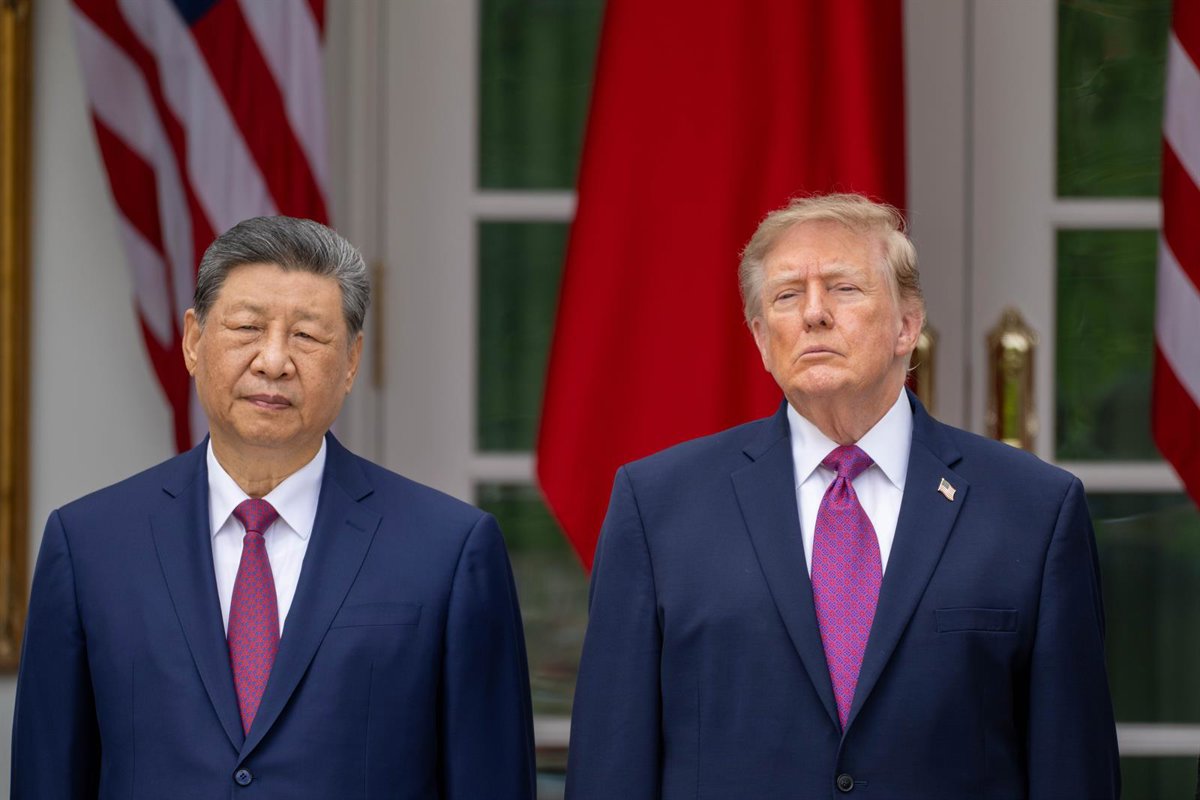
In a move that signals a potential shift in global diplomacy, China has confirmed that President Xi Jinping will host an unprecedented trilateral summit with Russian President Vladimir Putin and US President Donald Trump on November 19, 2026. The meeting will take place in Shenzhen, China's technological powerhouse, on the sidelines of the Asia-Pacific Economic Cooperation (APEC) leaders' summit. This gathering marks the first time the heads of state of these three major powers will meet simultaneously, creating a diplomatic moment watched closely around the world.
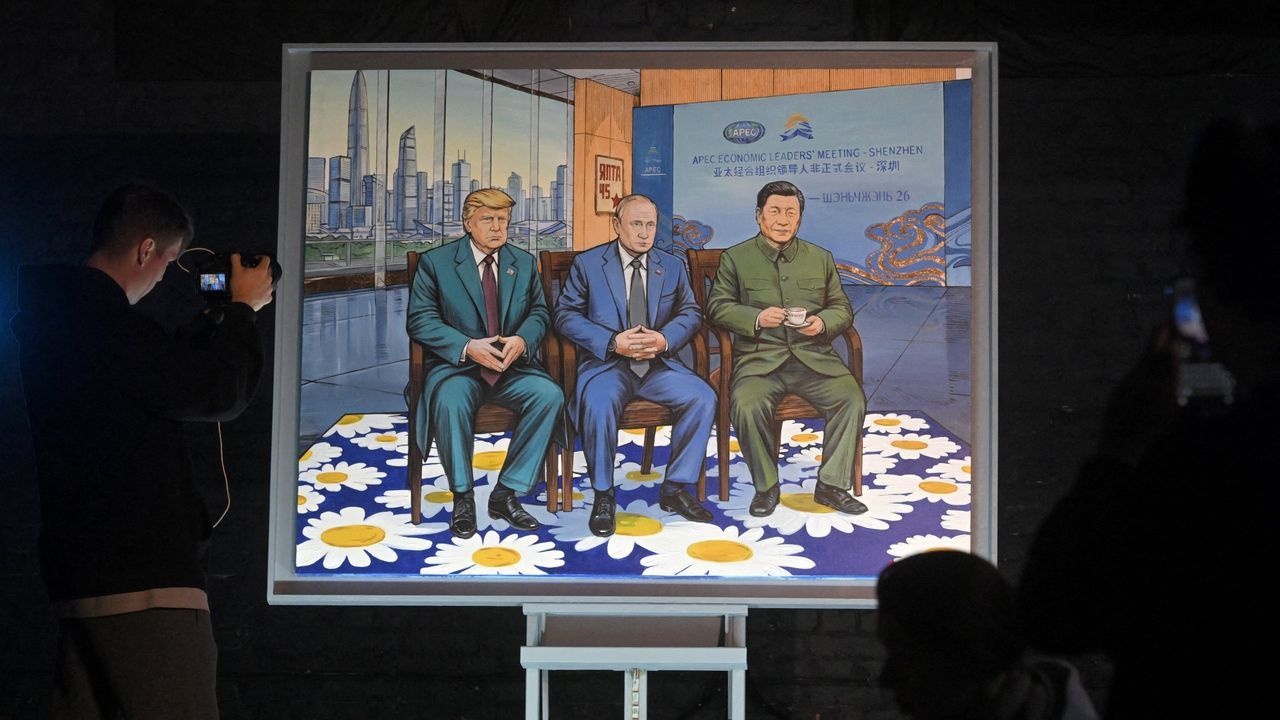
The White House has made clear that nuclear non-proliferation and disarmament will be central to the discussions. This focus comes at a critical time, following the expiration of the New START treaty in February 2026, which had been the last remaining arms control agreement between the United States and Russia. The modernization of China's nuclear arsenal has further heightened concerns about global stability, making this summit a potentially pivotal moment for nuclear diplomacy.
Beyond nuclear issues, the summit is expected to address pressing regional conflicts. US sources indicate that President Trump aims to discuss the ongoing conflict involving Iran and the energy crisis stemming from the closure of the Strait of Hormuz. These topics highlight the interconnected nature of global security challenges, with energy supplies and regional stability becoming increasingly intertwined in international diplomacy.
According to Steinmeier, Xi "explicitly emphasized that this is a European conflict, in which Europeans must also be present at the negotiation table.
Despite the broad range of global issues facing these three nations, one major conflict will notably absent from the agenda: the war in Ukraine. US officials have confirmed that the Ukraine conflict is unlikely to be addressed during the trilateral discussions. This omission reflects the complex diplomatic calculus at play, with each nation approaching the conflict with different priorities and perspectives.
German President Frank-Walter Steinmeier provided additional context regarding China's stance on the Ukraine conflict, noting that President Xi Jinping has expressed irritation over the prospect of discussing Ukraine in a trilateral format. According to Steinmeier, Xi "explicitly emphasized that this is a European conflict, in which Europeans must also be present at the negotiation table." This statement underscores China's position that the Ukraine situation requires a European-led diplomatic approach, rather than one involving the United States, Russia, and China alone.
The choice of Shenzhen as the summit location carries symbolic weight. As China's technology and innovation hub, Shenzhen represents China's economic transformation and growing global influence. Selecting this city rather than Beijing sends a message about China's priorities and self-perception as a modern, forward-looking nation on the world stage.
While trilateral meetings between major powers are not unprecedented, this particular gathering carries unique significance. The combination of these three leaders—each with distinct leadership styles and international approaches—creates a diplomatic situation without clear historical precedent. The summit could potentially establish new channels of communication or set precedents for future interactions between these global powers.

As November 19 approaches, all eyes will be on Shenzhen to see what emerges from this historic meeting. The focus on nuclear non-proliferation suggests a recognition of shared security concerns among these three nations, even as they pursue competing interests in other areas. Whether this summit marks the beginning of a more structured diplomatic process between these world powers or remains a one-off event remains to be seen, but its very occurrence signals that the world's geopolitical landscape continues to evolve in unexpected ways.