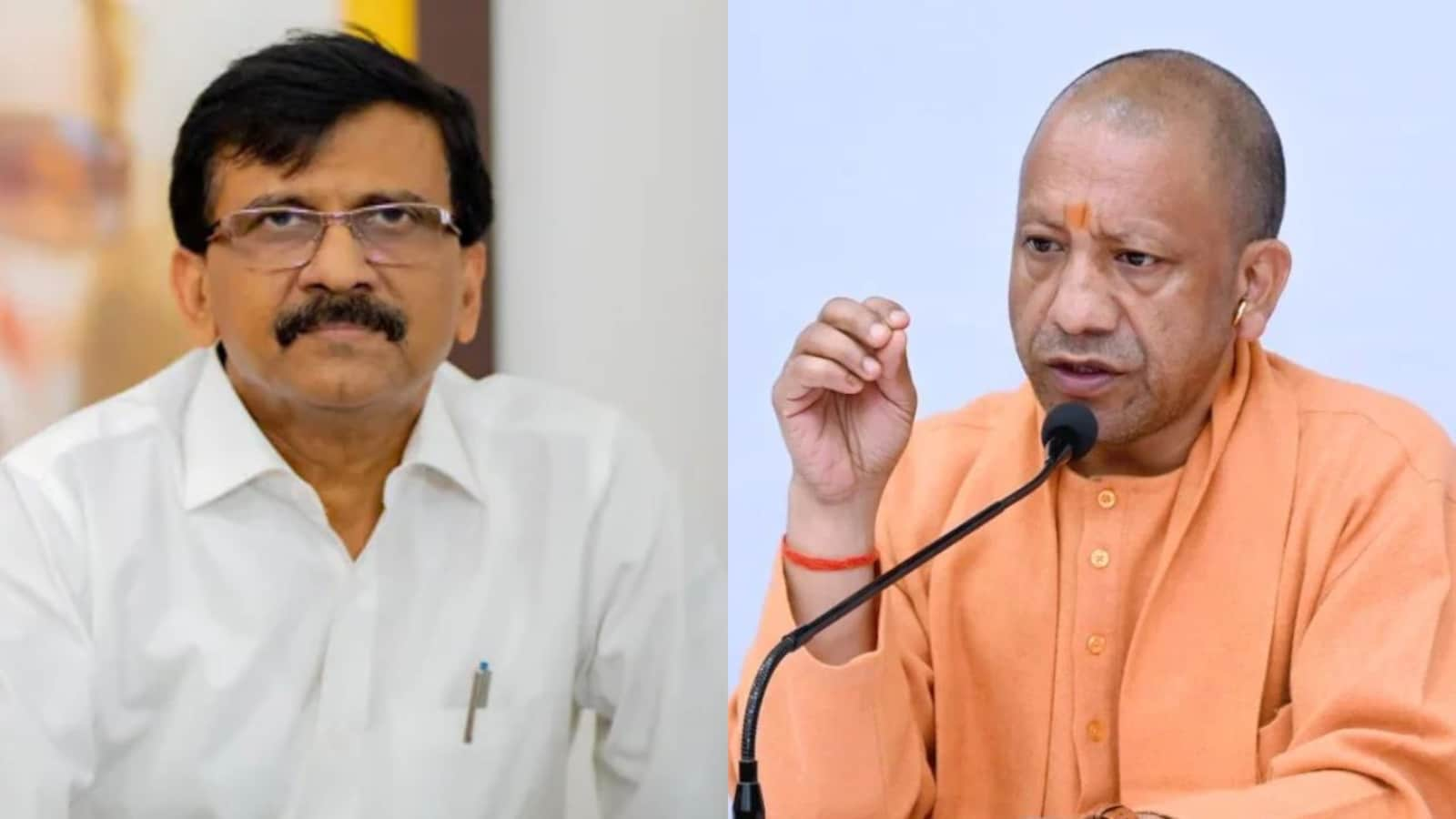
In the high-stakes theater of Indian politics, the words spoken can mean more than the policy they represent. When Sanjay Raut, a Member of Parliament for the Thackeray-led Shiv Sena (UBT), took to the stage in Mumbai to speak to reporters, he did not speak of alliance, but of admiration. It was an unusual moment for a leader of a party that has been firmly in the opposition INDIA bloc, and out of power since 2022. Raut offered a public praise to Yogi Adityanath, the Chief Minister of Uttar Pradesh, the very state that is the BJP's most prominent stronghold. For a party that is currently trying to secure its own identity as a genuine proponent of Hindutva, while also keeping its distance from the ruling party's dominance, Raut's words were a carefully calibrated signal. He was not just praising a man; he was asserting that his own party belongs on the side of those who can command respect in the majoritarian narrative.
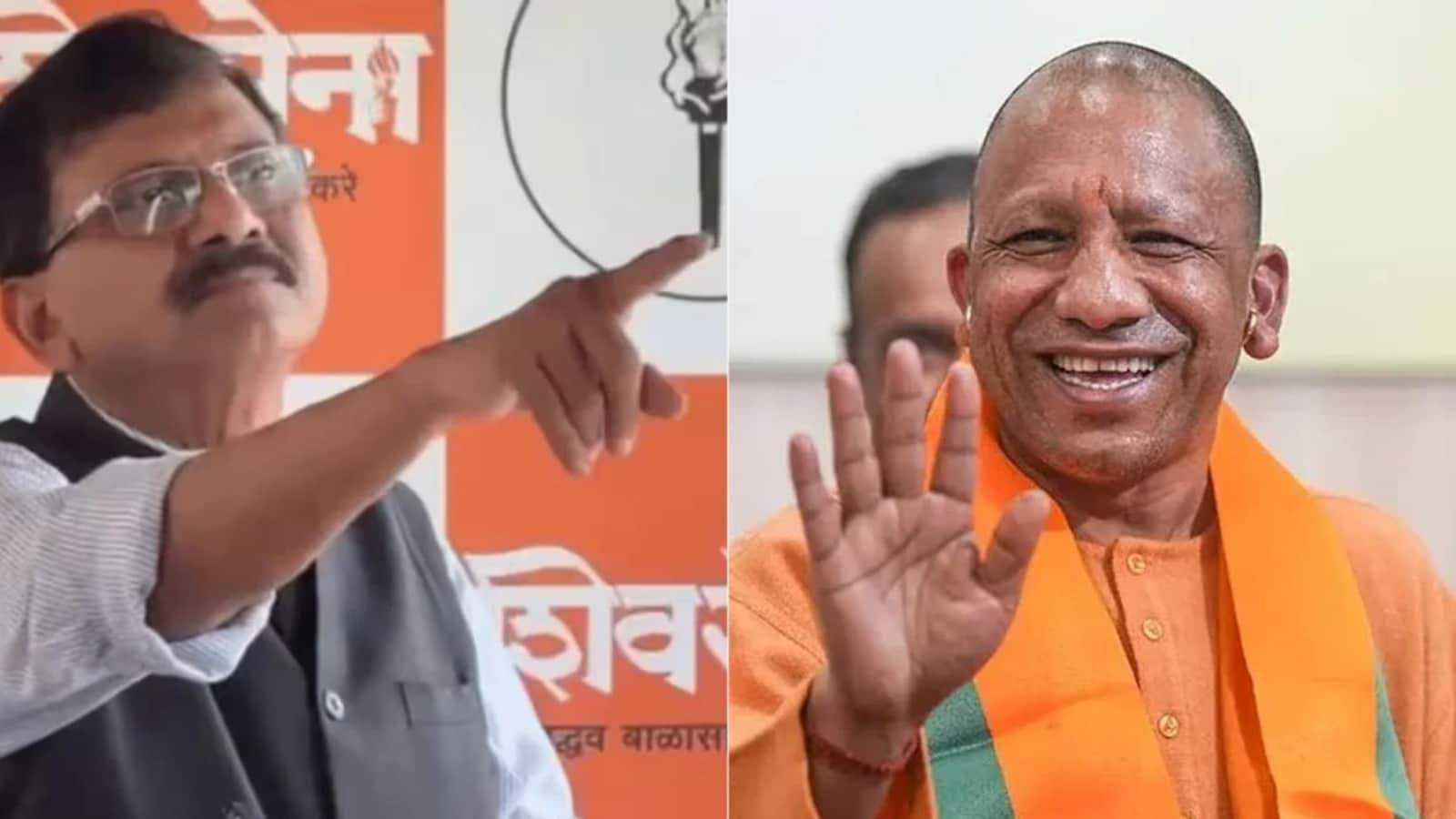
The core of Raut's argument was a declaration of dependency so strong it borders on the philosophical. "If there is no Yogi, there is no UP," Raut told the crowd, his voice carrying a weight of political realism. He went on to say, "If Yogi ji has declared himself as the CM face, it is commendable. He is a capable man, and we too love Yogi ji." This statement is not a mere political quip. It is a way to frame the 2027 Assembly elections not as a contest of ideologies, but as a question of personal leadership and state stability. By elevating Adityanath as the essential element of the state, Raut makes the Shiv Sena (UBT) appear as a wise, even-handed player who recognizes strength wherever it is found, rather than a party trapped in partisan bitterness.
The timing of this praise is not accidental. The Shiv Sena (UBT), led by Uddhav Thackeray, has been out of power since the factional split of 2022. Since that loss, the party has faced a persistent challenge from the BJP: its authenticity as a proponent of Hindutva. The BJP's critique is that the Thackeray faction, in its opposition role, has diluted its majoritarian credentials. Raut's praise is a direct counter to that attack. By openly admiring Adityanath, the BJP's "leading face of Hindutva," Raut is attempting to bridge the gap between his party's opposition status and its ideological alignment. It is a way of saying to the electorate, and to the BJP, that the Shiv Sena (UBT) is not against the idea of Hindutva, but rather for its most capable and respected leader.
This subtle maneuver makes the BJP's own strategy seem more complex, and the Shiv Sena (UBT)'s position more nuanced.
The other side of this conversation is the BJP's own strategy for the 2027 Assembly elections. The party has yet to formally name a face for its Chief Minister candidate. Adityanath, in a media conclave, has kept his options open, suggesting that everyone knows who is who, and emphasizing a narrative of collective leadership. This refusal to pin down a single candidate is a masterstroke, allowing the party to keep the spotlight on its brand of governance without committing to one personality. Raut, by praising Adityanath, is forcing the BJP to confront the possibility that its most powerful state figure is not a candidate for his own party, but is being lauded by the opposition. This subtle maneuver makes the BJP's own strategy seem more complex, and the Shiv Sena (UBT)'s position more nuanced.
Raut's statement also serves an internal purpose. He acknowledged that potential internal party dissatisfaction is common in politics. By offering a strong, unifying praise for a figure who is not a member of the party, Raut is attempting to project a sense of strength and cohesion. The message to the party's own base is that the leadership is not bogged down by internal conflicts, but is instead focused on the larger picture of the state and the country. It is a way to redirect internal energies toward a common, external goal, and to present the party as a serious political actor that is capable of engaging with the nation's most powerful political figures.
Raut's confidence in Adityanath's majority for a third term is a bold statement. It is not just a prediction, but a declaration of the stability that the Shiv Sena (UBT) seeks to be associated with. In a political landscape that is often chaotic, Raut is positioning his party as a partner in stability. By aligning himself, even in words, with the Chief Minister who is expected to win a third term, Raut is signaling that the Shiv Sena (UBT) is not a party of the past, but a party that understands the future of Indian politics. It is a way to say that the party's opposition role is not about tearing down the existing order, but about ensuring that the most capable leaders are in charge of it.
As the 2027 elections approach, the line between opposition and establishment will blur in new and interesting ways. Raut's praise for Adityanath is a preview of this future. It is not about a Shiv Sena (UBT)-BJP alliance, but about a shared political language. It is a way for the opposition to assert its legitimacy, and for the establishment to acknowledge the strength of its rivals. The 2027 elections will not just be a test of party platforms, but of who can command the most respect, the most stability, and the most capability in the eyes of the voters. Raut has just set the stage for that conversation by declaring that the most capable man in Uttar Pradesh is one that the opposition can also love.