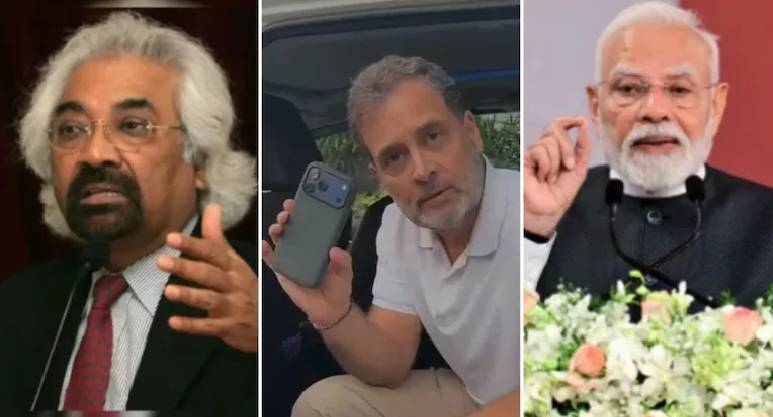
The political landscape in India often shifts on the wind of a single accusation, but this latest development is more akin to a structural crack running through a foundation that was previously assumed to be solid. On November 17, 2026, Rahul Gandhi, a prominent leader of the Congress party, made a bold and specific claim: that Prime Minister Narendra Modi was personally tapping his phone. "Prime Minister Modi is tapping my phone, I already know about this information," Gandhi stated. It was not a vague suggestion of state overreach, but a direct accusation of personal intrusion by the head of government. Such a charge is rarely made lightly; it suggests a conspiracy of high-level secrecy and individual surveillance that cuts to the heart of democratic trust. For the Congress party, which has long positioned itself as the primary alternative to the ruling BJP, the allegation was a strategic weapon, designed to frame the Prime Minister as an autocratic figure operating outside the bounds of normal political conduct.
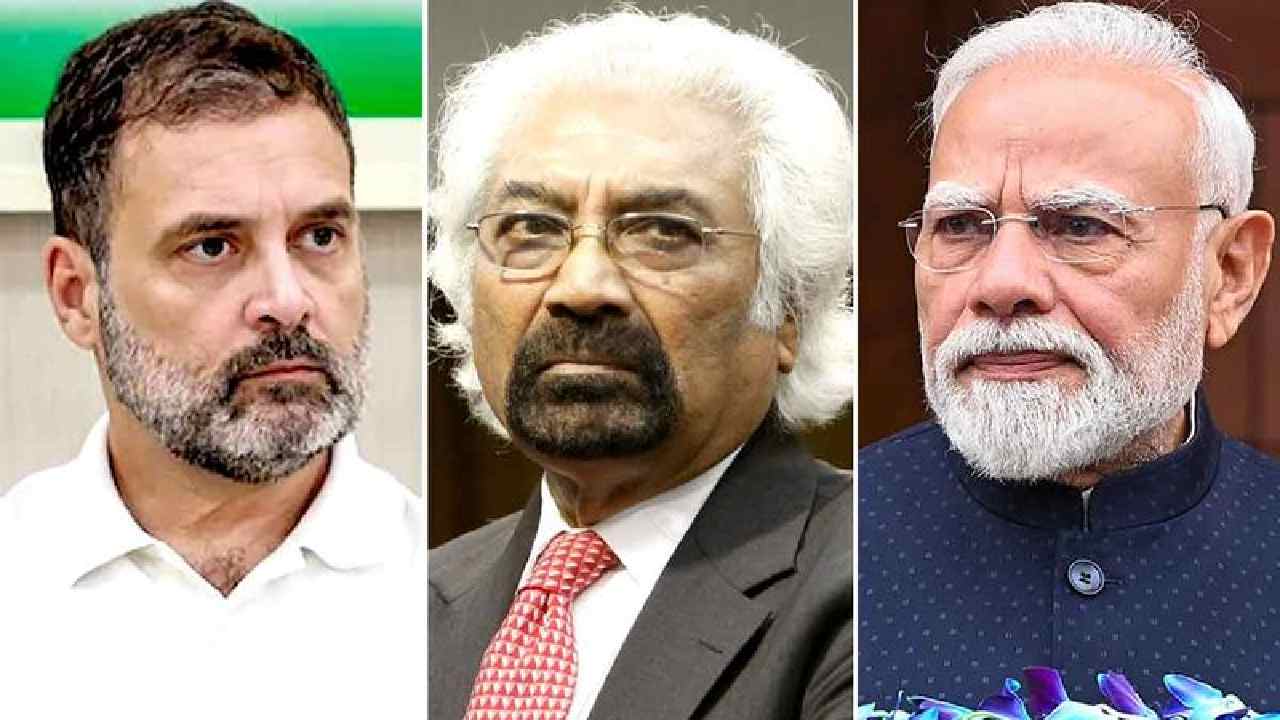
However, political narratives rarely move in a straight line, and within days, the opposition camp was forced to confront a significant internal discord. On November 14, 2026, Sam Pitroda, a senior Congress leader and a well-known figure for his expertise in technology and communication, stepped forward to contradict his party colleague’s assertions. Pitroda, who has a long history of advising on infrastructure and digital connectivity, brought a different perspective to the controversy. He did not merely dismiss the allegation; he offered a specific counter-argument rooted in the practical realities of how power operates. "Prime Minister won't do that. He doesn't sit at the computer with a screwdriver and tap phones," Pitroda said. This quote is pivotal because it shifts the debate from a moral judgment about privacy to a technical and operational one. By framing the act of tapping as something a Prime Minister would not do personally, Pitroda suggested that the machinery of the state, if it were to engage in such activities, would not involve the leader in the mundane details of implementation. His stance was not one of outright denial of the possibility of surveillance in general, but a denial of the specific mechanism claimed by Gandhi. He remained neutral on the question of whether other entities might be involved, choosing instead to defend the Prime Minister’s personal integrity in the process.
The ruling Bharatiya Janata Party (BJP) reacted swiftly to what they characterized as baseless allegations. For the government, the accusation of phone tapping was not just a legal issue but a moral one, implying a violation of the social contract between the state and its citizens. The BJP leaders dismissed Rahul Gandhi’s claims without much nuance, labeling them as unfounded and a distraction from substantive policy discussions. In the broader context of Indian political discourse, the allegation of surveillance has become a potent tool for opposition parties to criticize the government, but it also carries the risk of backfiring if not substantiated. The fact that Pitroda, a respected voice within the opposition, sided with the Prime Minister’s defense complicates the narrative. It suggests that not all members of the Congress party are aligned in their strategic approach to the ruling government, or at least that there are differing interpretations of the evidence available to them. The 56 lakh investment in business ventures mentioned in related economic discussions during this period serves as a reminder that the political turmoil exists alongside ongoing economic activity, a juxtaposition that often highlights the disconnect between political rhetoric and daily life for many Indians.
The BJP leaders dismissed Rahul Gandhi’s claims without much nuance, labeling them as unfounded and a distraction from substantive policy discussions.
The timeline of these events is crucial. While Pitroda’s public statement occurred on November 14, the broader context of the controversy stems from Rahul Gandhi’s recent claims about Modi’s phone tapping and alleged foreign control. The fact that the allegations were made on November 17, shortly after Pitroda’s defense, suggests that the political battle is ongoing and that the opposition may be doubling down on its accusations despite internal dissent. This creates a complex dynamic for the Congress party, which must now navigate the criticism of a key ally while maintaining its offensive posture. The use of specific quotes like "I already know about this information" adds a layer of mystery, implying insider knowledge or access to classified data, which further raises the stakes of the debate. For the public, the story is less about the technical possibility of phone tapping and more about the erosion of trust in political institutions. When a party leader accuses the Prime Minister of personal misconduct, and a senior colleague of the same party defends the Prime Minister, the public is left to decipher which version of reality is more credible.
This incident is not isolated; it is part of a larger pattern of political warfare in India, where accusations of surveillance and foreign influence are increasingly common tools. The reference to "foreign control" in Gandhi’s claims adds an international dimension, suggesting that the Prime Minister is not just acting against domestic interests but potentially in collusion with external powers. This narrative is potent in a country with a history of strategic autonomy debates, but it is also difficult to verify without substantial evidence. The dismissal by the BJP as "baseless" reflects their confidence in denying the technical feasibility of the specific claims made. The role of technology in modern politics cannot be overstated, and the debate over who monitors whom is a central feature of contemporary democratic discourse. Sam Pitroda’s comment about not using a screwdriver is a metaphor for the division of labor in governance, suggesting that the leader sets policy, while the bureaucracy handles execution. By defending the Prime Minister on these terms, Pitroda is not just clearing his name but also establishing a boundary between personal responsibility and institutional action. As the political landscape continues to evolve, the rift between the two prominent Congress leaders may have lasting consequences for the party’s unity and its ability to present a coherent alternative to the ruling government. The story remains a testament to the volatility of modern Indian politics, where personal attacks and technical debates intersect to shape public opinion.