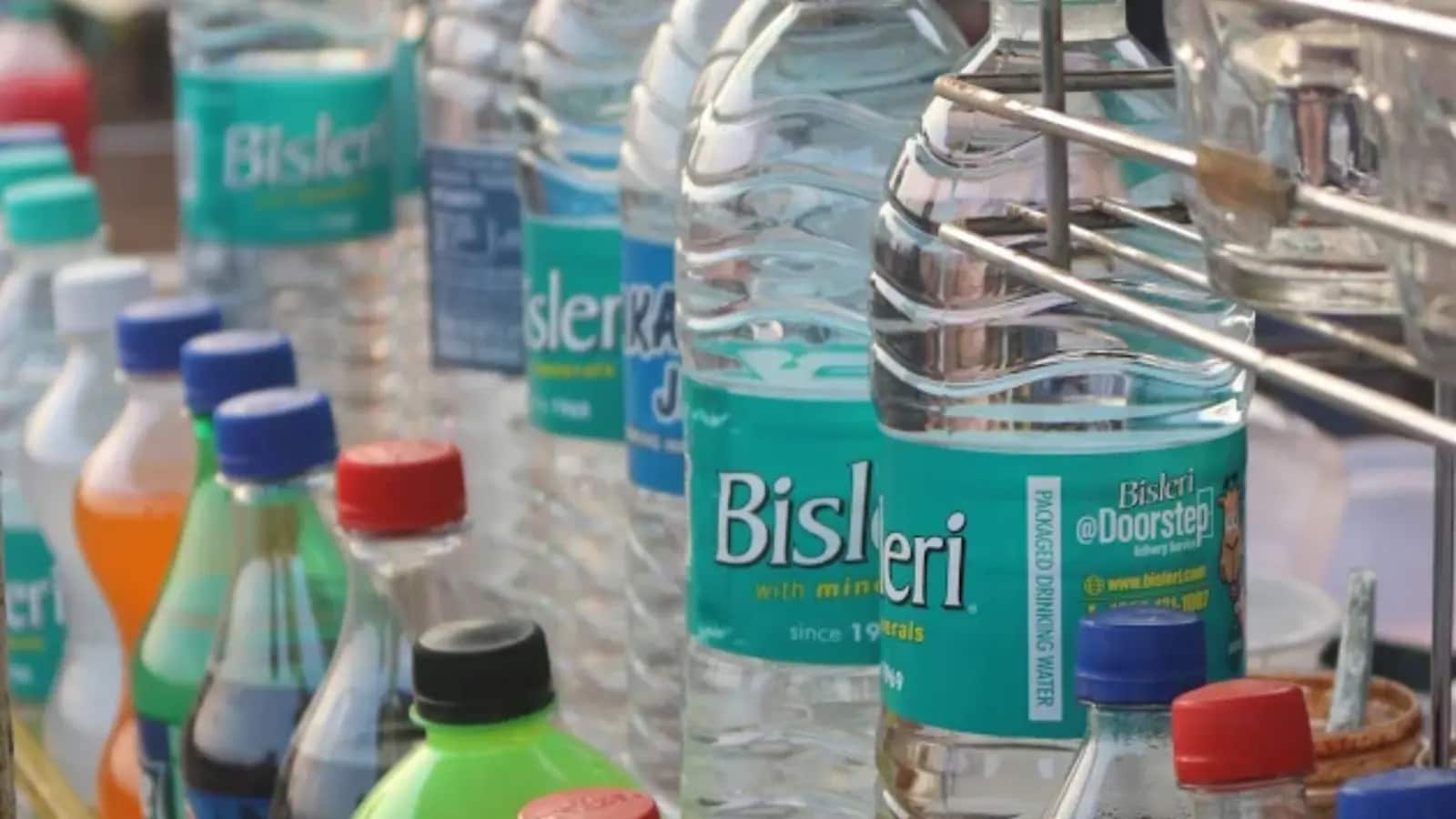
On August 12, 2026, a water‑quality test at Bisleri International’s plant in Telipara village, Jalpaiguri, West Bengal, returned a positive result for coliform bacteria. The result was confirmed by both a primary laboratory and a referral laboratory. Following the confirmation, the Food Safety and Standards Authority of India (FSSAI) prohibited the sale of the affected batch, identified as PB 201, and announced that it would pursue prosecution under the Food Safety Act, 2006.

This is the regulator’s second legal action against Bisleri. Earlier in the year, FSSAI disclosed that it had initiated legal proceedings against the company’s Goa plant after tests there showed levels of bromate that exceeded permissible limits and the presence of polynuclear aromatic hydrocarbons (PAHs).
FSSAI CEO Rajit Punhani said that the agency’s enforcement actions are intended to ensure compliance and not to create panic. He also noted that nationwide sample collection is underway to verify safety across the sector.
Bisleri International responded by stating that its product is safe for consumption and pledged full cooperation with the regulator.
Bisleri International responded by stating that its product is safe for consumption and pledged full cooperation with the regulator.
The prohibition of batch PB 201 represents a concrete step by FSSAI, and the initiation of prosecution signals that the regulator is moving beyond administrative measures. The outcome of the legal proceedings will determine any further actions required to bring the affected plant into compliance.