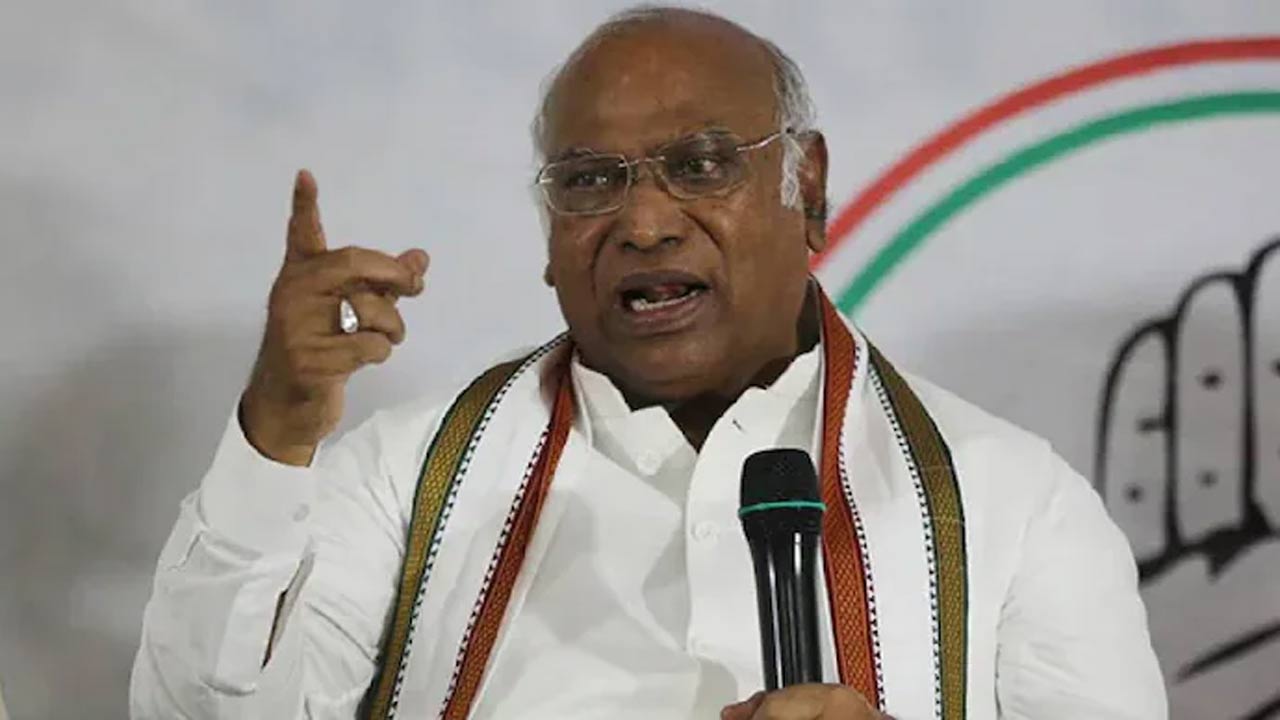
On a crisp November morning, Congress President Mallikarjun Kharge stood before reporters at 10 Rajaji Marg, his voice resonating with urgency. The target of his condemnation: a revised Delimitation Bill that he claimed poses a "very big threat to democracy." Kharge's words carried the weight of a party leader seeing what he believes is an existential danger to India's democratic foundations. "It is a threat because the government wants to destroy democracy and take all power into its own hands," he declared, setting the tone for what would become an increasingly vocal opposition to the legislation.
The controversy centers on a piece of legislation that had just cleared a significant hurdle. On November 29, the Union Cabinet approved the revised Delimitation Bill, a technical but politically explosive measure that redraws electoral boundaries. The bill's introduction was scheduled for the following day, November 30, during a special session of Parliament. This timing created a compressed political timeline, leaving opponents little room to mobilize before the legislation moved forward.
Kharge's most damning allegation was that the bill represents an attempt to permanently entrench the ruling party's power. By increasing the Lok Sabha strength to 850 members—a significant expansion from the current configuration—the Congress leader argued the government was engineering a system to "take power into their own hands forever." This wasn't merely procedural criticism but a fundamental challenge to the bill's democratic legitimacy. Kharge framed the expansion as a deliberate move to manipulate electoral outcomes in favor of the ruling party.
Adding another layer to the controversy was the decision to entrust the delimitation exercise to the Election Commission of India.
Beyond questions of power balance, Kharge raised specific concerns about how the bill would affect India's most vulnerable populations. He alleged that the legislation fails to adequately protect Scheduled Castes and Scheduled Tribes, communities that benefit from reserved seats in Parliament. With population shifts anticipated following the 2026 Census, Kharge questioned why the bill contained no provisions to adjust reserved seats accordingly. "The 2026 Census is about to come out, but they have not said anything about it yet," he pointed out, highlighting what he saw as a critical oversight.
Adding another layer to the controversy was the decision to entrust the delimitation exercise to the Election Commission of India. Kharge expressed serious reservations about this approach, particularly regarding the credibility of Chief Election Commissioner Gyanesh Kumar. Gyanesh Kumar is standing in the dock of the accused," Kharge stated, suggesting that the Election Commission's neutrality had been compromised. This criticism touched on the sensitive issue of institutional independence in a charged political environment.
The intensity of Kharge's public criticism wasn't isolated. Behind the scenes, the Congress President was actively mobilizing opposition forces. On November 28, Kharge hosted a meeting at his Delhi residence with leaders of the INDIA Bloc, an opposition coalition formed to challenge the ruling party's dominance. The gathering reflected a coordinated strategy to confront what the opposition views as an assault on democratic norms through constitutional amendments.
During the INDIA Bloc meeting, Kharge expanded on his critique, arguing that the government was "using constitutional amendments as a weapon to implement whatever they like." This characterization positioned the delimitation bill within a broader pattern of what the opposition sees as authoritarian overreach. The meeting demonstrated that the opposition wasn't merely reacting to a single piece of legislation but was preparing for a sustained confrontation over what they perceive as the erosion of democratic checks and balances.
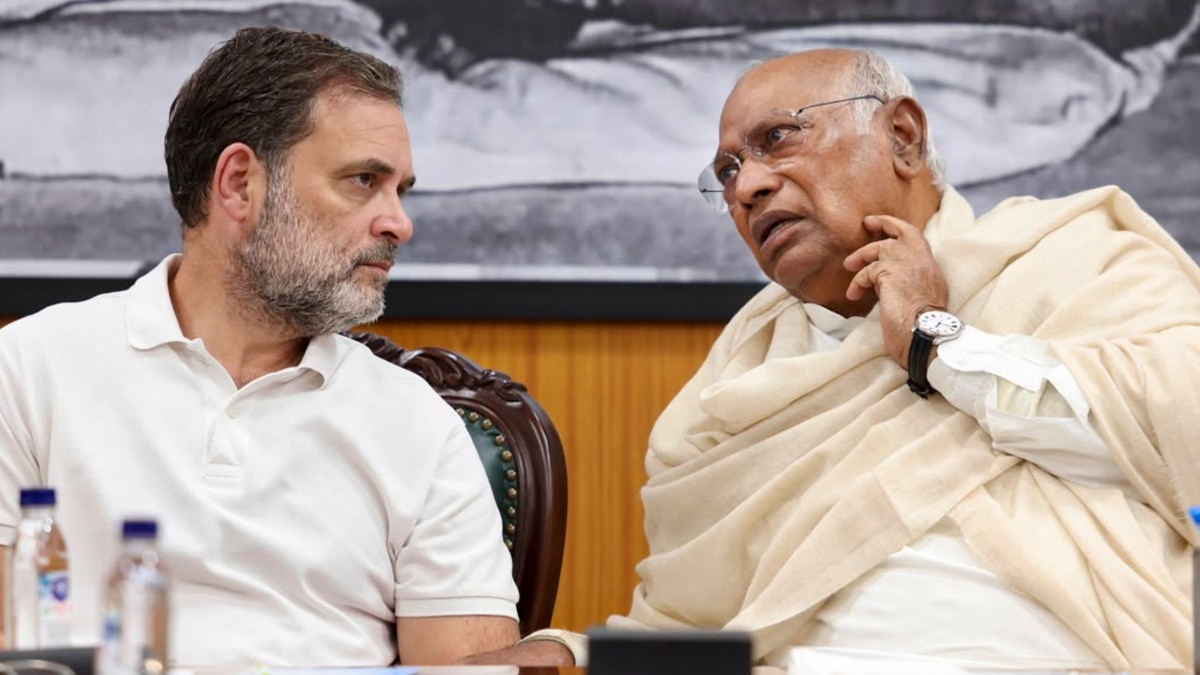
At its core, the delimitation process is a technical exercise with profound political implications. By redrawing electoral boundaries, the bill could fundamentally alter the landscape of Indian politics. The Congress and other opposition parties fear that without proper safeguards and updated census data, the process could systematically disadvantage certain regions and communities while favoring others aligned with the ruling party's political interests.
As the special session of Parliament approached, Kharge's warnings took on added significance. The delimitation bill, combined with other proposed legislation like women's reservation, represented what the opposition sees as a coordinated effort to reshape India's political landscape. "ఇది అధికారాన్ని చేజిక్కించుకునే ప్రయత్నం" (This is an attempt to seize power), Kharge had declared in Telugu, encapsulating the central fear driving the opposition's fierce resistance. The battle lines were drawn, with both sides recognizing that the outcome of this legislative fight could determine the future trajectory of Indian democracy.