
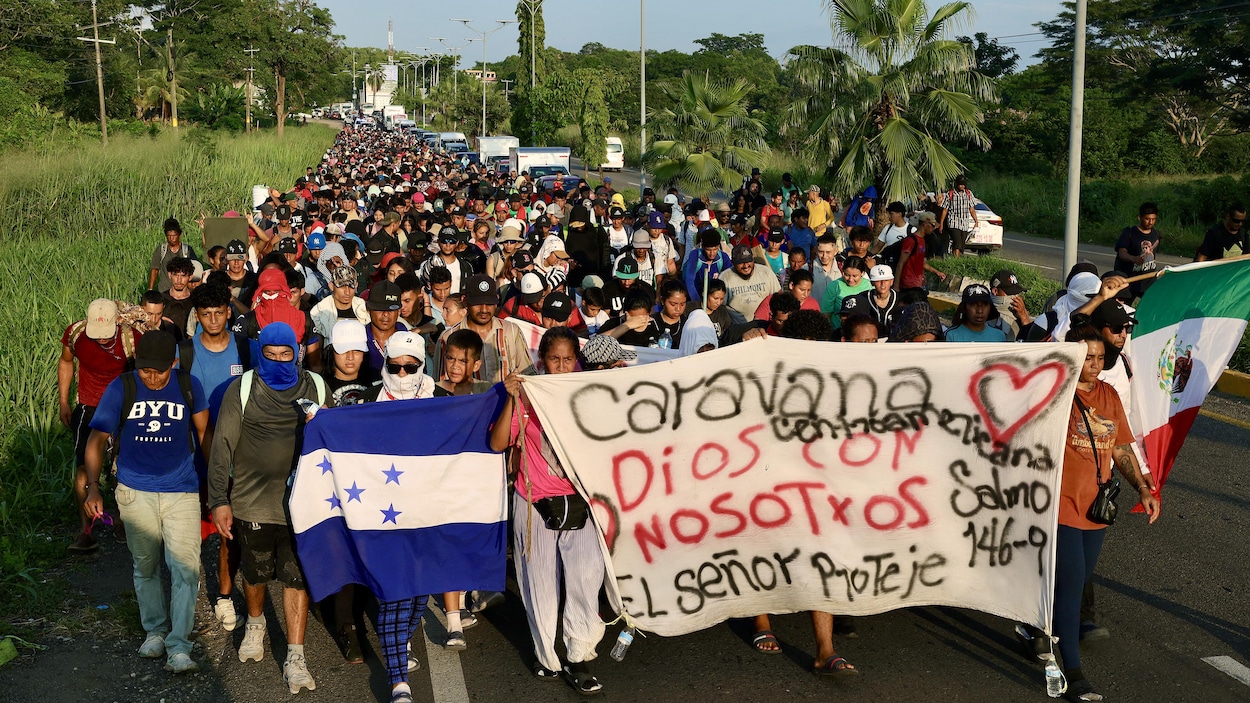
On a Sunday in November, a column of more than 1,000 migrants from Honduras began its trek through the Chiapas state of Mexico. It was not an isolated event, but rather a recurring rhythm in a season of increasing tension. This movement marks the third such caravan to emerge from Honduras since September, signaling a persistent flow of people seeking passage north. For those walking the dusty roads of southern Mexico, the journey is one of survival; for the political leaders in Washington and Mexico City, it has become a catalyst for a looming economic confrontation.
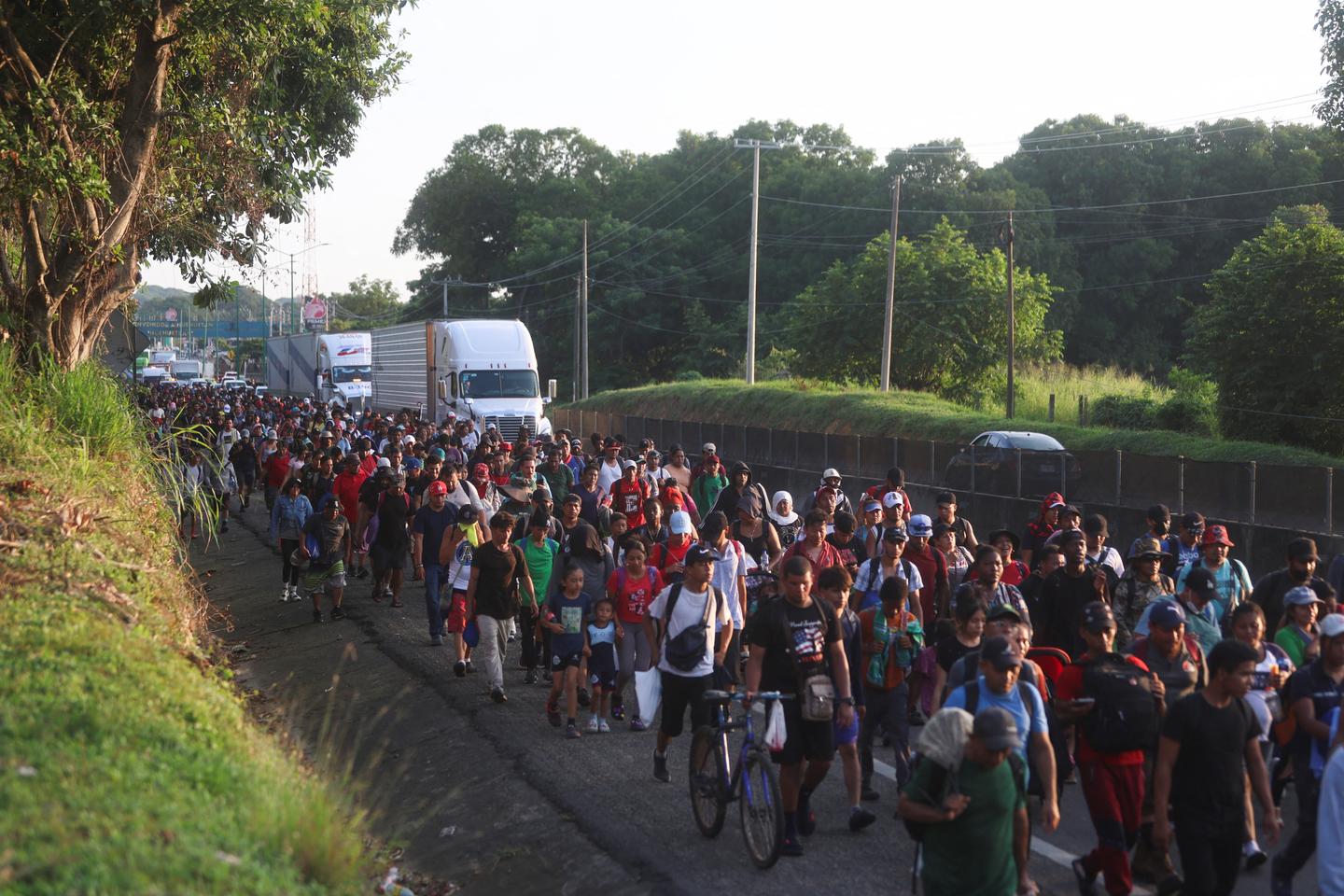
By November 12, the movement of this caravan had triggered a sharp response from the White House. Donald Trump, having returned to the presidency in January 2025, utilized his Truth Social platform to frame the arrival of the migrants not as a humanitarian movement, but as a strategic threat. He characterized the situation as a resurgence of an "invasion," claiming that massive caravans were forming and embarking on illegal journeys across Mexican territory.
His warning was not merely rhetorical. Trump issued a direct ultimatum to the Mexican government: stop the migrants immediately, or face a doubling of the tariffs currently imposed by the United States on Mexican goods. This threat of economic warfare elevates the issue of migration from a matter of border enforcement to a high-stakes trade dispute, using the leverage of market access to demand domestic policing from a sovereign neighbor.
Her administration has announced efforts to return migrants to their home countries safely.
In Mexico City, President Claudia Sheinbaum has moved to de-escalate the rhetoric while addressing the realities on the ground. Sheinbaum has pushed back against the notion that the United States has altered its immigration policies to facilitate such movements. She suggested that misinformation is being used to drive the caravans, noting that some individuals are deceiving migrants by claiming that the recent U.S. election results have signaled a shift in migration policy.
"It is false," Sheinbaum stated, emphasizing that the reality of the border remains unchanged. To manage the expectations of those in transit, the Mexican presidency has been vocal about the difficulty of the journey ahead. Sheinbaum noted that the government is actively informing those within the caravan that attempting to reach the United States is an incredibly difficult endeavor.
Rather than a policy of containment through force, Sheinbaum has outlined a strategy centered on management and repatriation. Her administration has announced efforts to return migrants to their home countries safely. For those who do not wish to return immediately, Mexico has proposed allowing them to remain in specific locations within the country. This approach seeks to balance the humanitarian needs of the migrants with the political necessity of preventing them from reaching the U.S. border, all while navigating the economic shadow cast by Washington's tariff threats.
This latest standoff occurs against a backdrop of intensified immigration enforcement in the United States. Since Donald Trump’s return to the White House at the start of 2025, the administration has overseen aggressive Immigration and Customs Enforcement (ICE) operations. While these operations are designed to curb illegal entry, they have become a source of significant domestic friction.
Public sentiment has been strained by the human cost of these enforcement measures, particularly following the deaths of two American citizens linked to these operations. The tension in the borderlands is therefore not just a matter of policy, but one of public perception and the heavy hand of state power, making the current threat of doubled tariffs even more volatile in an already sensitive political climate.
As the caravan continues its traverse through Mexico, the world watches to see if trade policy will be used as a blunt instrument to control human movement. The threat to double tariffs represents a significant shift in how migration is being handled—moving from border walls and patrols to the direct economic pressure applied to a nation's most vital industries. For the 1,000 people currently moving through Chiapas, the stakes are survival; for the nations of North America, the stakes are the very stability of their economic relationship.