
For decades, Jensen Huang has been the steady, almost mythical figure at the helm of Nvidia, the company that quietly became the engine of the global artificial intelligence revolution. He is known for his quiet work ethic and his pivotal role in developing the GPUs that now power everything from smartphones to massive data centers. But the narrative of his career took an abrupt, jarring turn in November 2026. What began as whispers about a complex web of espionage and personal betrayal quickly escalated into a formal, independent investigation by Nvidia’s own board of directors. The core of the issue is not just business misconduct, but the chilling suggestion that the head of a critical U.S. technology company may have been compromised by foreign intelligence interests, specifically through a romantic entanglement with a woman suspected of being a Chinese spy.
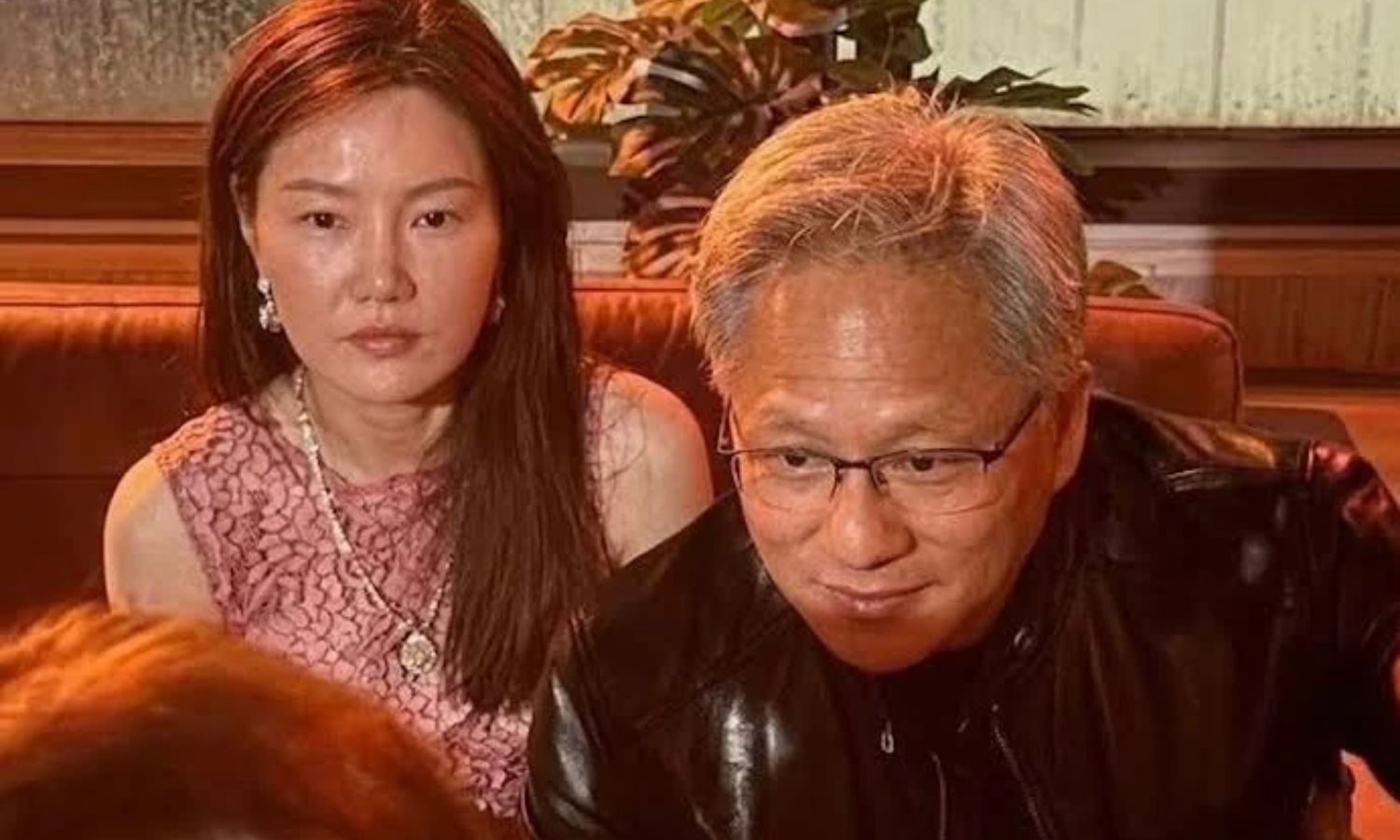
The center of the storm is an executive at a firm called Megaspeed. U.S. intelligence agencies had been monitoring her, suspecting she was operating as an agent for Chinese intelligence. The allegation was that she developed a close personal relationship with Jensen Huang. This is where the story stops being a simple business ethics case and becomes a national security thriller. The suspicion was not just that they were dating, but that this connection was a conduit for sensitive information. Reports indicated that advanced AI chips—some of the most strategic assets in modern geopolitics—may have been diverted to China through this channel. The idea that a foreign spy could get so close to the CEO of the world's most valuable chipmaker is a nightmare scenario for Washington, blurring the lines between personal life and state-level warfare.
In the face of these mounting allegations, Jensen Huang broke his usual silence. In a message to employees, he did not deny the personal aspect of the story. He acknowledged having an extraconjugal affair. His language was one of personal failure rather than corporate denial; he expressed that he was “deeply sorry” for his actions. While he did not explicitly confirm that the relationship was a foreign intelligence operation, he fully cooperated with the probe launched by his board. This admission created a strange duality in the story: it humanized Huang as a flawed individual, but it simultaneously validated the premise that his personal life had intersected dangerously with his professional duties and national security obligations. The regret he expressed was likely directed at his family and his company, not necessarily at the U.S. government, yet the two spheres were now inextricably linked.
The regret he expressed was likely directed at his family and his company, not necessarily at the U.
Nvidia’s board moved quickly but carefully, launching an independent investigation in November 2026. They were careful to frame the inquiry around the “recent press reports indicating that founder and CEO Jensen Huang was targeted by efforts of foreign intelligence services.” The board’s statement included a critical caveat: while they were opening the investigation, they had “no reason to think that national security or Nvidia’s secrets have been compromised.” This was a deliberate effort to contain the panic. By separating the personal indiscretion from a confirmed breach of state secrets, the board tried to reassure the market that the company’s technical integrity remained intact. However, the investigation was tasked with examining “all available information,” leaving the door wide open for further discoveries that could upend that reassurance.
The scandal did not stay in San Jose. Beijing dismissed the entire affair as “unfounded speculation,” a standard diplomatic reflex that adds a layer of geopolitical tension to the personal drama. If the U.S. claims a Chinese spy was involved, China’s denial makes verification difficult, creating a fog of war that the board must navigate. This international standoff turned Jensen Huang’s personal scandal into a proxy for broader U.S.-China tensions, where every chip shipment and every email is viewed through the lens of espionage. The lack of a clear international adjudicator meant that the truth remained buried in the private messages and meetings that the independent investigators were now tasked with uncovering.
Perhaps the most surprising element of the narrative was the reaction of U.S. President Donald Trump. Instead of condemning Huang or calling for a resignation, Trump expressed support for the CEO. In a striking display of loyalty, Trump suggested that Huang had “probably an excuse” and called him “someone honest.” He stated that the administration would “examine this very closely,” but his initial defense set a specific political tone. By backing Huang, the President signaled that the administration viewed this as a case of targeted foreign aggression against a loyal American figure, rather than a domestic corporate failure. This political support likely insulated Huang from immediate public outrage, shifting the focus from “bad CEO” to “victim of foreign espionage,” although it also raised questions about how deep the administration’s trust in the chip giant had become.