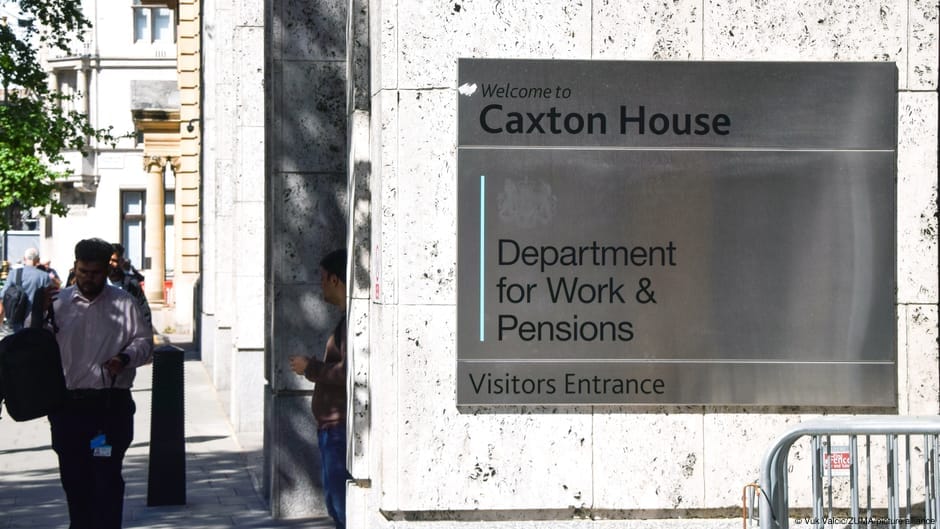
For millions of people across the United Kingdom, the digital interface of the state is more than just a website; it is the lifeline that connects them to essential support. On June 8, 2024, that connection was abruptly severed. The Department for Work and Pensions (DWP), the massive government body responsible for administering some of the nation's most critical support programs, confirmed that a cyberattack had struck its systems. The immediate consequence was a forced suspension of several online services, leaving a digital void where citizens typically manage their most sensitive financial affairs.
In the wake of the disruption, the scale of the breach became clear. This was not a mere technical malfunction or a routine server outage. The DWP confirmed that the incident involved an attempt to gain unauthorized access to its internal systems. To combat the intrusion, the department had to take the drastic step of pulling certain services offline to protect the integrity of its data and infrastructure. By 5 pm GMT, the impact of the suspension was firmly felt as services remained unavailable, marking a significant moment of vulnerability for a cornerstone of British governance.
Responding to a breach of this magnitude requires more than just local IT support; it necessitates a national mobilization. The DWP did not face this threat in isolation. In a coordinated effort to secure the state's digital perimeter, the department began working alongside the National Cyber Security Centre and the Government Cyber Coordination Centre. These specialist teams were deployed to investigate the nature of the attack and to work toward the eventual restoration of the suspended services. The focus remains on understanding exactly how the attempt to gain unauthorized access occurred and what the long-term implications might be for the department's security protocols.
When a government agency that manages welfare and pensions is targeted, the primary fear for the public is not just the loss of data, but the loss of livelihood.
When a government agency that manages welfare and pensions is targeted, the primary fear for the public is not just the loss of data, but the loss of livelihood. The disruption to online services carries an inherent anxiety: will the money arrive? The DWP moved quickly to address this specific concern, offering reassurance to those who rely on its systems. Despite the ongoing investigation and the digital blackout, the department confirmed that pension and welfare payments would continue to be distributed as scheduled. For the beneficiaries of programs like Universal Credit and Personal Independence Payment, this assurance serves as a vital buffer against the chaos of the cyberattack.
The attack on the DWP does not exist in a vacuum. It arrives as part of a broader, more troubling trend of cyberattacks specifically targeting British institutions. As the state moves more of its essential functions—from pension management to welfare administration—into the digital realm, the surface area for these attacks grows. The breach on June 8 highlights the persistent tension between the efficiency of digital governance and the heightened security requirements necessary to protect the public's most fundamental social protections.