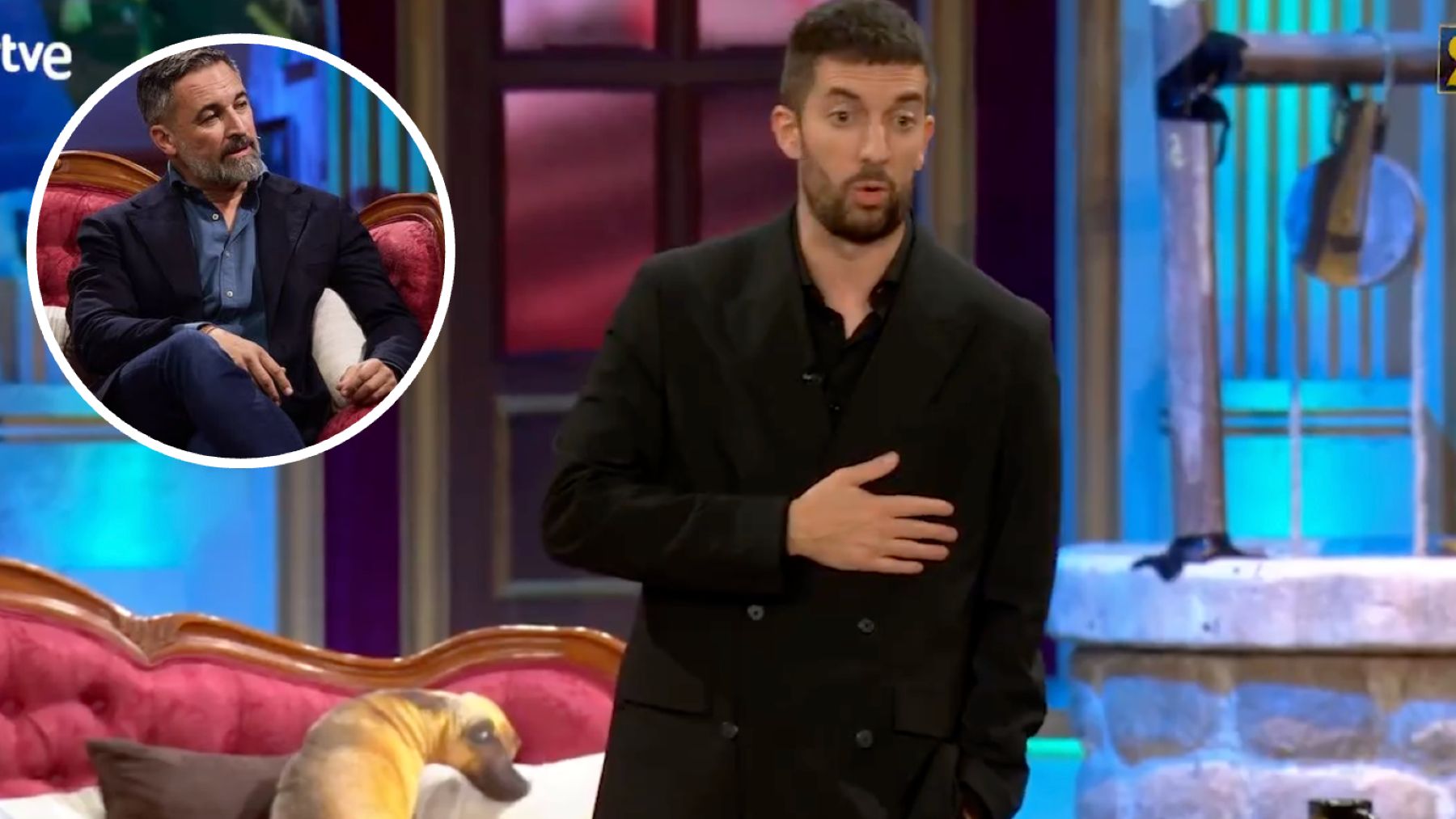
In the high-stakes arena of Spanish political television, few moments carry more irony than a host admitting he failed his own platform. David Broncano, host of 'La Revuelta', found himself in an uncomfortable position following a record-breaking but highly criticized interview with Santiago Abascal. The broadcast did not just attract viewers; it attracted scrutiny that forced Broncano to confront the mechanics of his show's success and its unintended consequences.
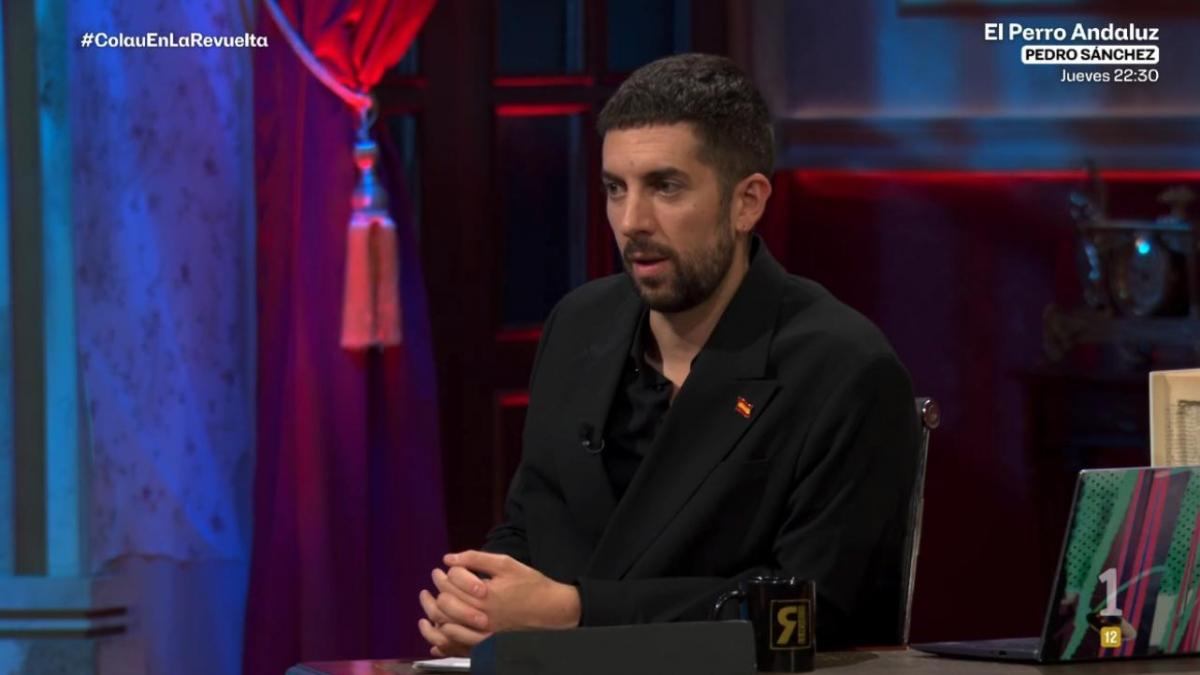
The visit of Santiago Abascal gave 'La Revuelta' a record of audience, but the numbers came with a heavy price tag. Viewership was undeniable, yet the reception was fractured. While the segment drew attention, it also ignited a firestorm of criticism regarding how the conversation was structured. Broncano acknowledged that the shift from his usual style to a purely political debate inadvertently favored Abascal, the professional politician. This dynamic created a disparity where the guest, accustomed to formal political discourse, held the advantage over the host, who had pivoted away from his established comedic persona.
On November 10, Broncano issued a public apology during the show's broadcast before welcoming Ada Colau. Before the new segment began, he engaged in self-criticism, admitting he had disappointed his audience by not meeting the standards of public television. He expressed personal sadness and regret over the decisions made regarding the interview's format. Instead of a pre-produced segment, Broncano utilized the live studio audience to conduct an improvised press conference where he addressed the controversy. This change in procedure was intended to be transparent, yet it highlighted the tension between the show's entertainment value and its journalistic integrity.
Public television carries an implicit responsibility beyond ratings or viewer engagement.
Broncano felt the pressure of the moment acutely. He stated that he felt disappointed with himself and promised to act with transparency, apologizing on behalf of the show and its team. The core issue lay in the production choices. By shifting the interview away from its usual humorous tone to a purely political debate, the show risked losing its identity while failing to deliver the depth expected by critics. The improvisation meant the host could not control the narrative flow, leaving him vulnerable to the polished arguments of a seasoned politician. This admission marked a departure from the typical talk show dynamic where the host often sets the terms of engagement.
The controversy centered on the perception of fairness. Broncano acknowledged the failure, stating he felt disappointed with himself and promised to act with transparency, apologizing on behalf of the show and its team. The only person who has disappointed the left more than Gabriel Rufián was difficult, but that is the case. This comparison underscores the severity of the situation within the broader political landscape. While Rufián represented a different kind of challenge, Broncano recognized that his own performance fell short of the bar set for public broadcasting. The distinction matters because it suggests the host viewed his role not merely as entertainment, but as a steward of public discourse.
David Broncano: "I was not up to the height of what public television deserves". These words were delivered directly to the camera, acknowledging the gap between expectation and execution. The quote highlights the specific standard being missed. Public television carries an implicit responsibility beyond ratings or viewer engagement. It implies a duty to accuracy, balance, and educational value. When a host admits he was not up to this height, it signals a recognition of institutional failure rather than personal artistic choice. This admission serves as a pivot point for the show's future direction.
Looking forward, the focus shifted to the next guest, Ada Colau, signaling an attempt to reset the program's trajectory. Broncano committed to acting with transparency moving forward. The apology was not just about fixing one episode, but about restoring trust in the format itself. By placing the blame on the decisions made regarding the interview's format, Broncano avoided deflecting responsibility onto the guest or external factors. This stance reinforces the idea that the host accepts accountability for the structural choices that defined the controversial segment.
As the show prepares to move past the controversy, the lessons remain clear. The interaction between a comedian-host and a political figure requires careful calibration. When humor is removed, the stakes rise. The apology on November 10 stands as a marker of that realization. For now, the path forward involves rebuilding the relationship between the audience and the broadcaster. The goal is to ensure that future broadcasts meet the standards of public television without sacrificing the unique voice that defined 'La Revuelta'.
Ultimately, the incident remains a cautionary tale for media personalities navigating complex political waters. Broncano's willingness to apologize publicly demonstrates a commitment to the institution he hosts. The record-breaking audience numbers serve as a reminder of the power of content, even when that content leads to criticism. As the show moves into the next segment, the question remains whether this transparency will prevent similar incidents in the future. The answer lies in how the team implements the promises made during the apology.
The story concludes with the understanding that television formats are fragile constructs. They rely on consistency and audience trust. When those elements fracture, the host must step back and reassess. Broncano's actions on November 10 represent that necessary pause. The show continues, but the approach to the stage has changed. The focus is now on ensuring that every subsequent broadcast meets the expectations set by the public and the standards of the medium itself.