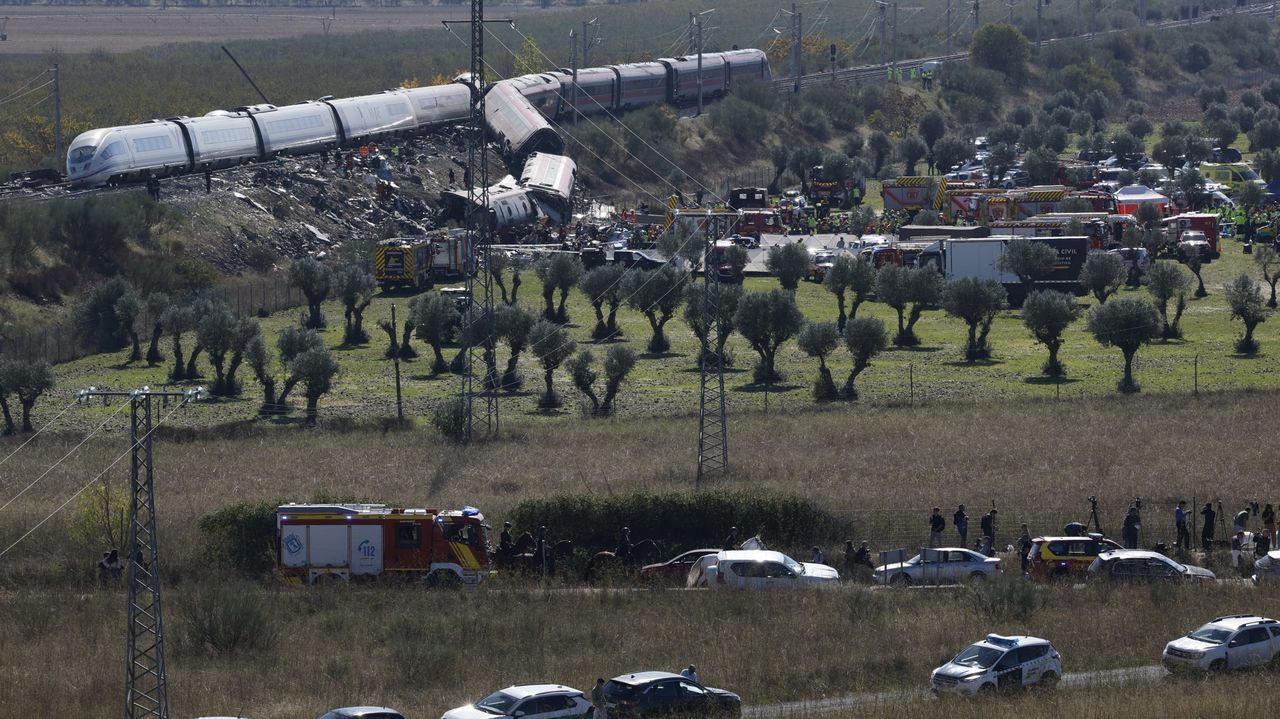
On October 28, 2026, a devastating accident in Urda, a small town in southern Spain, left 15 people dead and 20 injured. The incident, which occurred on the Madrid-Sevilla high-speed rail line, was a stark reminder of the potential dangers lurking beneath the surface of Spain's modern transportation network. The tragedy sent shockwaves through the country, prompting a thorough investigation into the safety and maintenance of the rail line. Little did anyone know that this event would also trigger a broader probe into potential fraud involving EU funds allocated for the project.
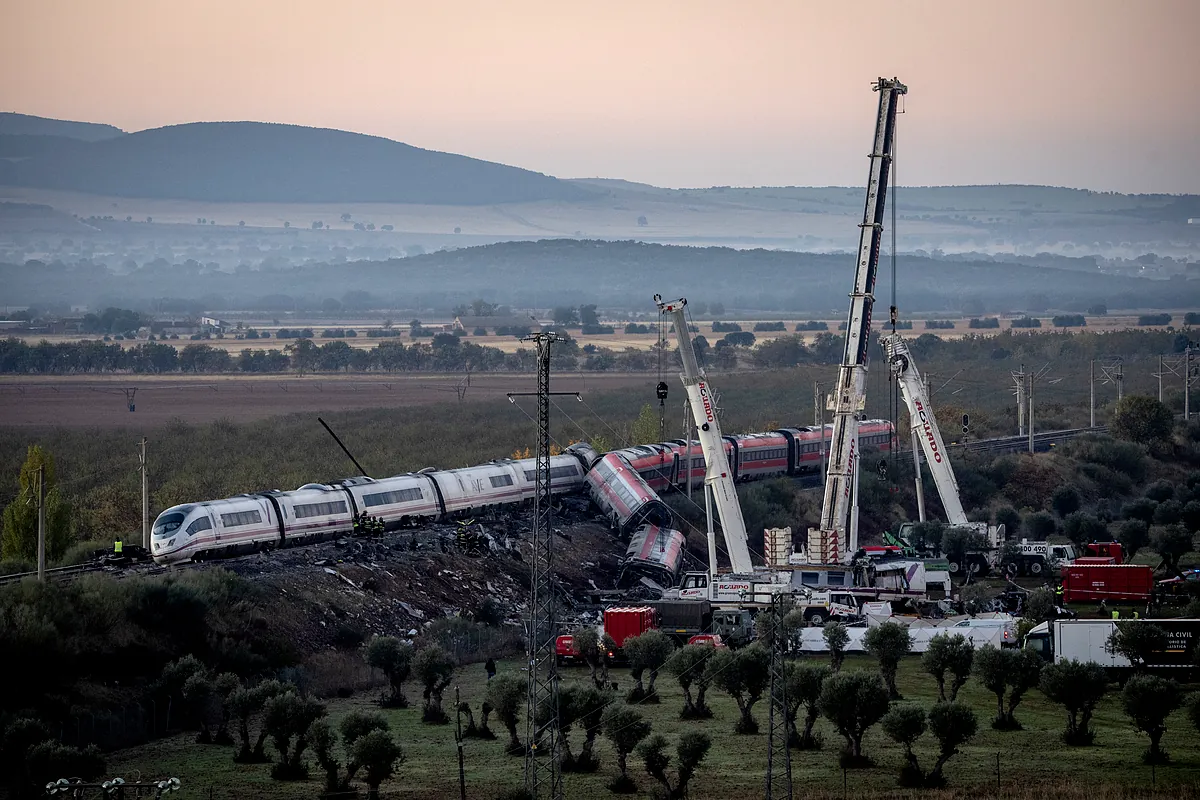
Just a few months earlier, in January 2026, an incident in Adamuz, a small village near Seville, had already raised red flags. While not as severe as the Urda tragedy, the Adamuz incident highlighted the need for a more rigorous examination of the rail line's safety systems. The incident, though minor, foreshadowed the larger issues that would come to light later. The Adamuz accident, though not fatal, underscored the vulnerability of the rail infrastructure and set the stage for the comprehensive investigation that was to follow.
In the aftermath of the Urda tragedy, the European Prosecutor's Office (Fiscalía Europea) decided to take a closer look at the Madrid-Sevilla high-speed rail line. The EPPO, an independent body established by the European Union, was tasked with investigating potential fraud involving the use of EU funds for the project. This decision was not made in isolation; it came after a similar investigation had been initiated in March 2026, indicating a growing concern about the integrity of the rail line's construction and maintenance.
AESF, which oversees the management of airports and ports, was also involved, as the rail line often intersects with other transportation systems.
The investigation into the Madrid-Sevilla high-speed rail line was not just the work of the Fiscalía Europea. The UCO (Unidad Central de Delincuencia Organizada) of the Guardia Civil, Spain's national police force, was also involved. The UCO, known for its expertise in investigating organized crime, was brought in to assist with the probe. The involvement of the UCO highlighted the seriousness of the allegations and the complexity of the case. The UCO's role in the investigation underscored the need for a thorough and comprehensive examination of the rail line's safety and maintenance systems.
The investigation centered on the funds allocated for the renovation and improvement of rail security, signaling, and communication systems. The total amount of EU funds involved was €111,646,340, a significant sum that could have potentially been misused. The focus on these specific areas of the rail line was not arbitrary. These systems are critical for the safe operation of the high-speed rail line and any potential fraud in their maintenance and improvement could have serious consequences.
The investigation was carried out at several key institutions: ADIF (Administrador de Infraestructuras Ferroviarias), AESF (Aeropuertos Españoles y Puertos), and the Spanish Court of Auditors. ADIF, responsible for the management and maintenance of Spain's rail infrastructure, was a central player in the probe. AESF, which oversees the management of airports and ports, was also involved, as the rail line often intersects with other transportation systems. The Spanish Court of Auditors, tasked with ensuring the proper use of public funds, provided crucial oversight and support to the investigation. The involvement of these institutions underscored the complexity and scope of the probe, highlighting the need for a multi-faceted approach to uncover any potential fraud.
The timeline of the investigation is a testament to the urgency and gravity of the situation. The Urda tragedy occurred on October 28, 2026, just over a month after the Adamuz incident. The Fiscalía Europea initiated its investigation on November 6, 2026, marking the beginning of a thorough examination of the Madrid-Sevilla high-speed rail line. The investigation, which involved multiple institutions and focused on critical safety systems, was a response to the growing concerns about the integrity of the rail line's construction and maintenance.
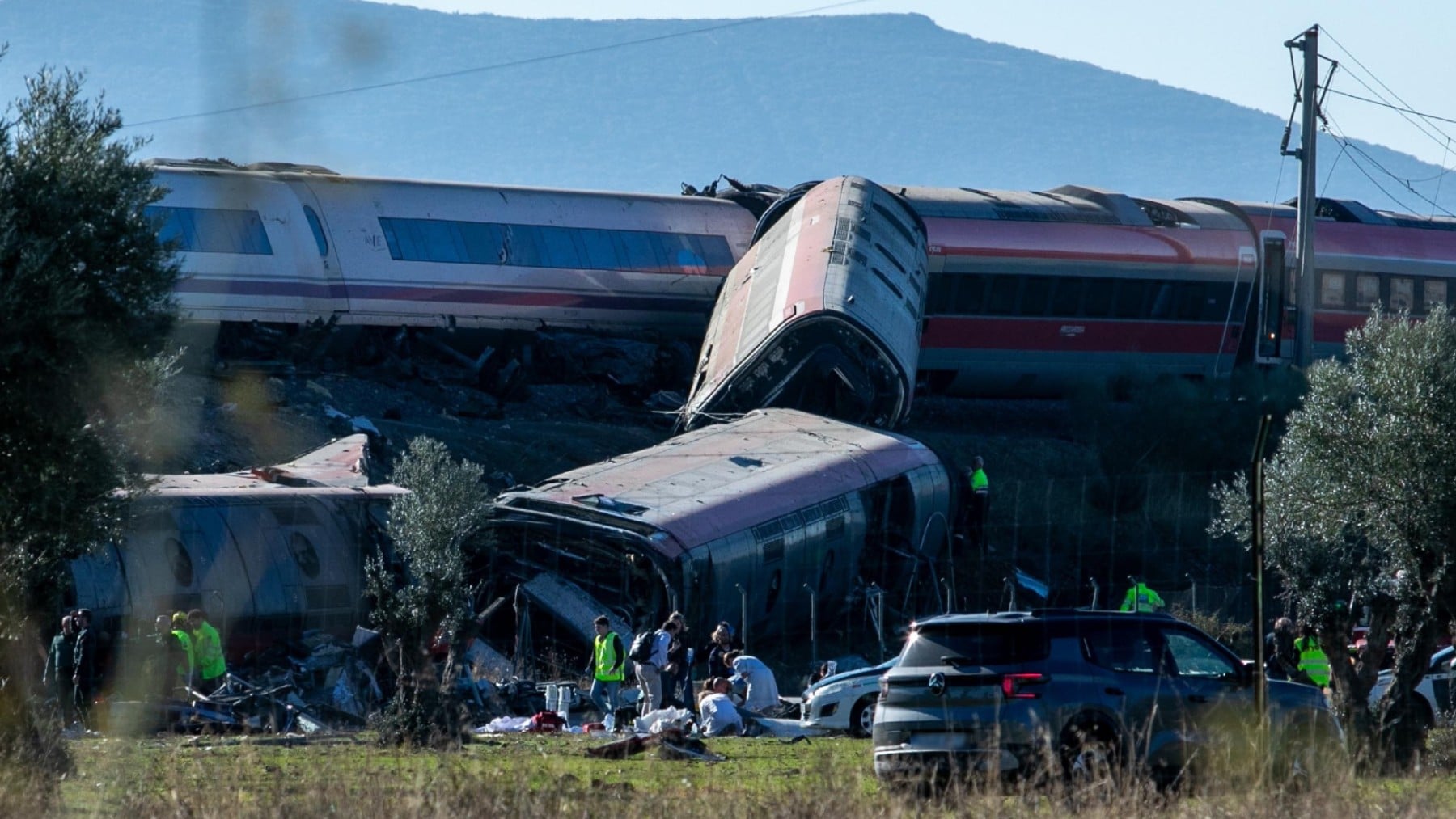
The investigation into potential fraud involving EU funds for the Madrid-Sevilla high-speed rail line is not just about money. It is about the safety and integrity of Spain's transportation infrastructure. The probe into the renovation and improvement of rail security, signaling, and communication systems is crucial for ensuring the safe operation of the high-speed rail line. Any potential fraud in these areas could have serious consequences, not just for the rail line but for the overall safety of Spain's transportation network. The investigation, therefore, is a critical step in ensuring that the rail line operates safely and efficiently, and that the public can trust in the integrity of the project.
As of now, the investigation is ongoing, and the full extent of any potential fraud is yet to be determined. The involvement of multiple institutions and the focus on critical safety systems indicate the seriousness of the allegations. The probe into the Madrid-Sevilla high-speed rail line is a reminder of the importance of maintaining the highest standards of integrity and safety in infrastructure projects. The tragedy in Urda, which sparked the investigation, serves as a stark reminder of the potential consequences of neglecting these standards. The ongoing investigation is a testament to the commitment to ensuring that the rail line operates safely and efficiently, and that the public can trust in the integrity of the project.
The investigation into potential fraud involving EU funds for the Madrid-Sevilla high-speed rail line is a complex and multifaceted endeavor. It involves multiple institutions, focuses on critical safety systems, and is a response to the growing concerns about the integrity of the rail line's construction and maintenance. The tragedy in Urda, which sparked the investigation, serves as a stark reminder of the potential consequences of neglecting these standards. The ongoing probe is a critical step in ensuring the safety and integrity of Spain's transportation infrastructure, and a testament to the commitment to maintaining the highest standards in infrastructure projects.