
The world of diplomacy was stunned on November 11 when Russia's Ministry of Foreign Affairs announced the death of Alexander Darchiev, the extraordinary and plenipotentiary ambassador of Russia to the United States. At just 66 years old, Darchiev's passing marked the end of a distinguished career that spanned more than three decades and positioned him at the forefront of Russian-American relations during a particularly tense period.

Darchiev's journey in Russian diplomacy began in 1992, shortly after the fall of the Soviet Union. He would spend the next thirty-plus years rising through the ranks of the Ministry of Foreign Affairs, serving in various capacities both at headquarters and in diplomatic posts around the world. His career trajectory demonstrated both his longevity and the trust placed in him by the Russian government.
In March 2025, Darchiev was appointed to one of the most sensitive diplomatic posts in the world: ambassador to the United States. This appointment came at a time when Russian-American relations were fraught with tension, making his role particularly challenging and important. Simultaneously, he became Russia's permanent observer to the Organization of American States, further expanding his diplomatic responsibilities.
The Russian Foreign Ministry's tribute to Darchiev spoke volumes about his reputation within the diplomatic corps.
Before his posting in Washington, Darchiev had already developed significant expertise in North American affairs. From 2014 to 2021, he served as Russia's ambassador to Canada, a position that earned him the rank of extraordinary and plenipotentiary ambassador in February 2016. Earlier in his career, between 2005 and 2010, he had served as a counselor-minister at the Russian Embassy in the United States, giving him valuable experience in the capital he would later return to lead.
Between 2021 and 2024, Darchiev headed the North America Department of the Ministry of Foreign Affairs, overseeing Russia's diplomatic relations with both the United States and Canada. Until his appointment to Washington in 2025, he led the North Atlantic Department, further cementing his expertise in transatlantic affairs.
One of the most notable moments in Darchiev's career came in February 2025, when he led the Russian delegation during Russian-American negotiations held in Istanbul. This high-stakes meeting demonstrated the confidence that Russian officials had in Darchiev's diplomatic skills and his ability to navigate complex international discussions.
The Russian Foreign Ministry's tribute to Darchiev spoke volumes about his reputation within the diplomatic corps. They described him as "an outstanding diplomat, experienced leader, good comrade, and mentor." The ministry further highlighted his status as "a top professional, brilliant American studies specialist," emphasizing both his practical diplomatic skills and his academic understanding of the United States.
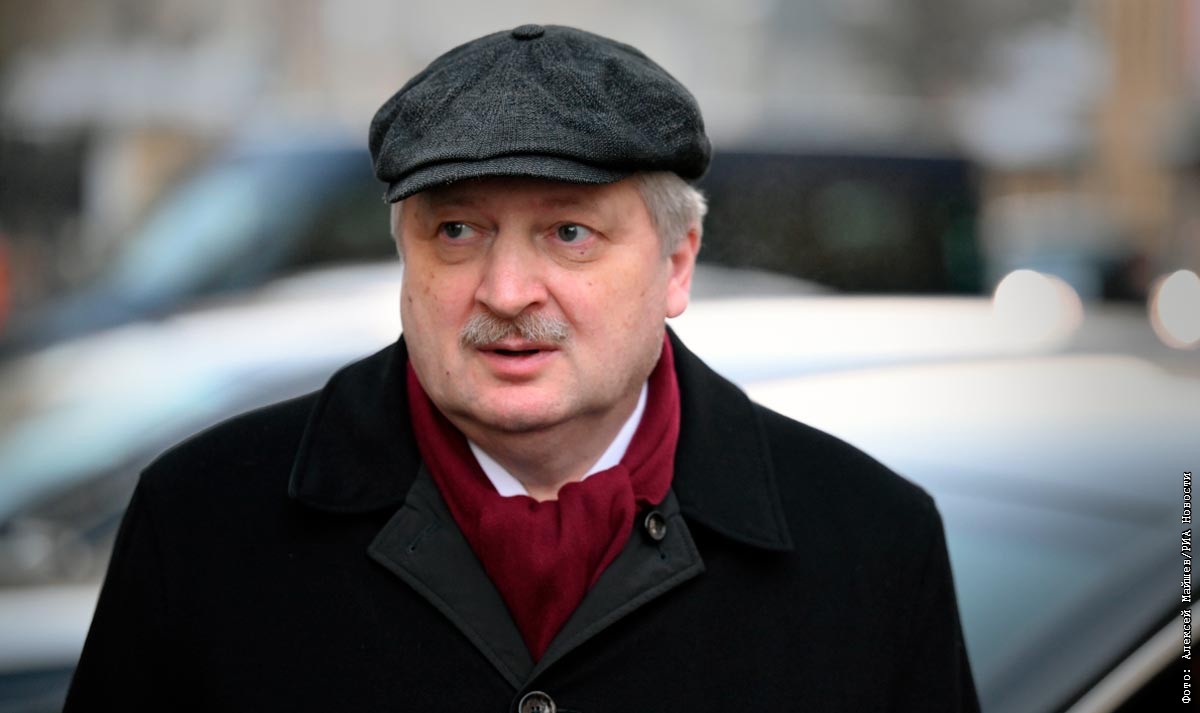
Throughout his career, Darchiev received numerous honors from the Russian government, including the Orders of Friendship and Honor, along with other state distinctions. These awards reflected not only his longevity of service but also the significant impact he had on Russian foreign policy during his decades in the diplomatic corps.
His tenure as ambassador, though brief, occurred during a critical period in Russian-American relations. His passing creates a significant vacancy at a time when diplomatic channels between the two nations are more important than ever.
As the Russian government mourns the loss of one of its most experienced diplomats, Alexander Darchiev's legacy remains one of dedicated service to his country. His career spanned multiple administrations and significant geopolitical shifts, making him a unique figure in the world of Russian diplomacy. His contributions to Russian-American relations, particularly during his final months as ambassador, will be remembered by colleagues and counterparts alike.
With Darchiev's passing, questions arise about the future direction of Russian-American relations and who will fill his critical role. The ambassador position serves as the primary channel of communication between two nuclear-armed nations with complex and often strained relations. As the search for his replacement begins, the diplomatic community will be watching closely to see how this significant transition affects an already delicate relationship.