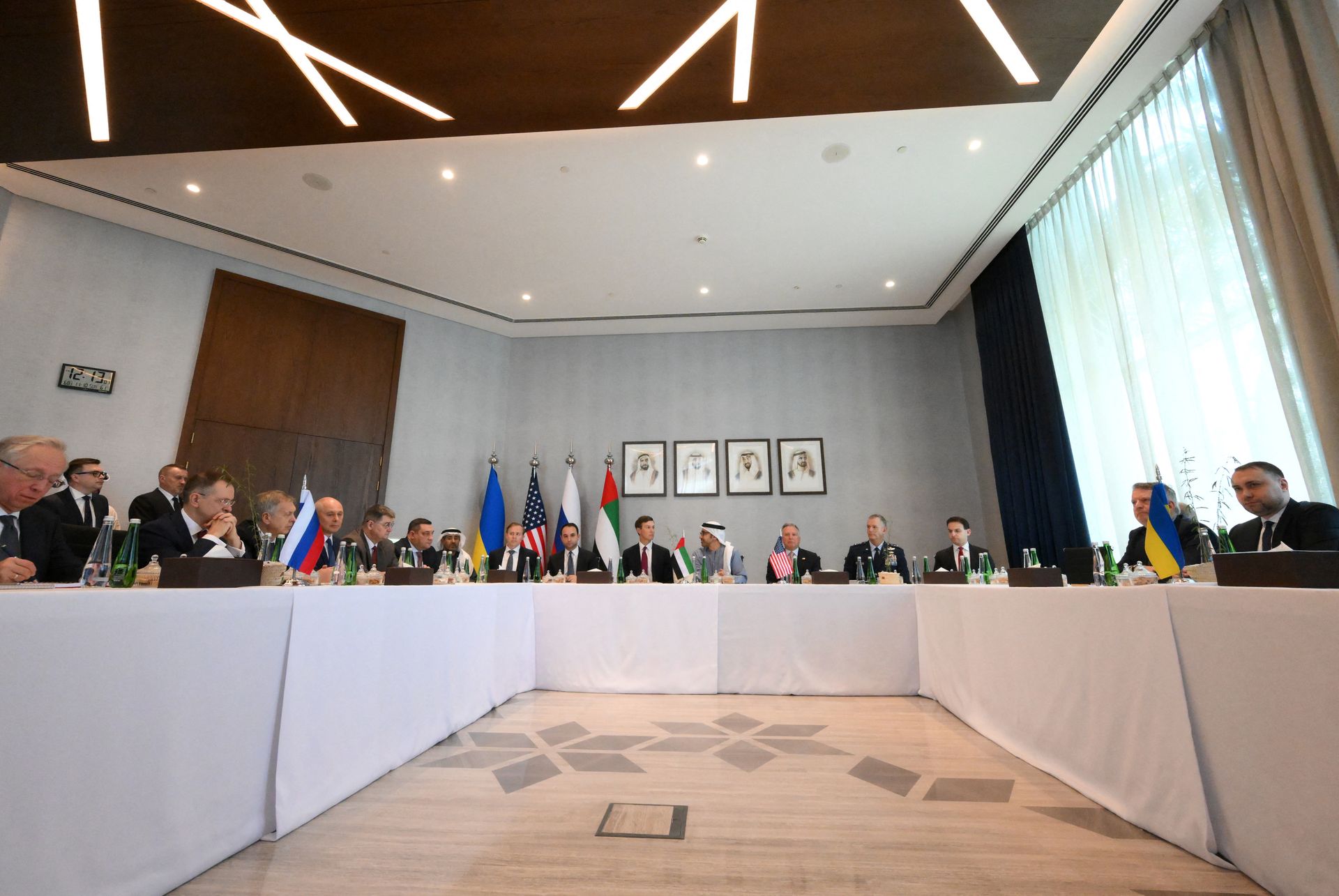
For nine months, the diplomatic channels between Moscow and Kyiv had drifted into a profound stillness. The machinery of high-stakes negotiation, which once hummed with the urgency of immediate crisis management, had ground to a halt. But on November 10, that silence was broken in Abu Dhabi. In the quiet, controlled environment of the United Arab Emirates, representatives from Russia, Ukraine, and the United States gathered for trilateral negotiations, marking the first time these specific delegations have sat across from one another since a previous round of discussions in Geneva on February 18.

This resumption is not merely a scheduling update; it is a signal of intent in a landscape defined by exhaustion and volatility. For those watching the diplomatic pulse of the conflict, the mere act of returning to the table carries its own weight. As David Arakhamia noted, the long pause in negotiations meant that simply resuming the talks was, in itself, an achievement within the domestic political context.
The scope of the Abu Dhabi meetings extends far beyond the immediate cessation of gunfire. While the conflict in Ukraine remains the central pillar of the agenda, the negotiators are tasked with a much more ambitious, structural goal: the establishment of a new continental security framework for the post-conflict era. This is an attempt to look past the current carnage toward a system that might prevent its recurrence, seeking to develop mechanisms that ensure regional stability across the continent.
While the grand architecture of continental security is the long-term objective, the immediate agenda is rooted in the visceral realities of the war.
This is not a simple ceasefire agreement. It is an attempt to design the rules of engagement and coexistence for a new era. The discussions are described as wide-ranging, touching upon broader security threats that transcend the borders of Ukraine, aiming to build a foundation that could eventually support broader European security arrangements. The goal is to move from a state of active warfare to a structured, predictable system of international relations.

American, Ukrainian and Russian representatives gathered in Abu Dhabi on Tuesday for their latest round of peace talks, with the Trump administration seeking a breakthrough after 1,721 days of Moscow's full-scale invasion of its neighbor. Read more: https://t.co/k3r1UKcMZo
The composition of the delegations reflects the gravity of the task. Leading the Ukrainian side is Rustem Umerov, who carries the weight of a nation seeking both immediate relief and long-term sovereignty. Representing the Russian Federation is Vladimir Medinsky, tasked with navigating Moscow's position within this trilateral framework.
Acting as the bridge between these two combatant nations is the United States. The American presence is represented by envoys Steve Witkoff and Jared Kushner. Their role is inherently complex, serving as mediators in a process that seeks to reconcile two fundamentally different visions of security. The presence of U.S. envoys underscores the trilateral nature of the talks, positioning the United States as a critical facilitator in the search for a path toward stability.
While the grand architecture of continental security is the long-term objective, the immediate agenda is rooted in the visceral realities of the war. The negotiators are grappling with the granular, often agonizing details of conflict resolution. Rustem Umerov has indicated that the agenda includes key questions related to ending hostilities and moving closer to peace.

This includes the practical, human-centric mechanics of de-escalation: the exchange of prisoners of war and the establishment of potential ceasefires regarding maritime and energy sectors. These are the essential building blocks of any peace process—addressing the immediate suffering of individuals and the critical infrastructure that sustains modern life. The focus on energy and maritime ceasefires suggests an awareness that stability cannot be achieved if the fundamental lifelines of the region remain active battlegrounds.

Ukraine, Russia, United States resume peace talks in Abu Dhabi #UPI https://t.co/n4PnQH2mxr
These negotiations take place against a backdrop of continued tension. Even as diplomats deliberate in the climate-controlled rooms of Abu Dhabi, the reality of the conflict persists on the ground. The talks aim to address key questions on ending hostilities, making the resolution of disputes over critical infrastructure like the energy grid a central focus.
The tension between the diplomatic effort and the military reality is palpable. Every discussion regarding energy facilities serves as a reminder of the high stakes involved in the negotiations. The energy grid is not just a matter of infrastructure; it is a matter of civilian survival and national resilience, making the discussions regarding energy ceasefires all the more urgent.
Despite the significance of the Abu Dhabi gathering, the atmosphere is one of cautious realism rather than sudden optimism. No immediate breakthrough is expected from this specific round of talks. The purpose of these meetings is not to sign a final treaty, but to lay the necessary groundwork for what comes next.
The Abu Dhabi talks are a stepping stone, a way to test the waters and refine the points of contention before moving toward higher-level engagements. The ultimate objective of this process is to prepare the way for future leader-level summits, where the heads of state can eventually step into a framework that has been meticulously prepared by their respective envoys. The path from the negotiating table in the UAE to a lasting peace is long, and the current meetings represent only the first steps in a much larger, more arduous journey.

Representatives from the US, Russia and Ukraine have begun two days of talks in Abu Dhabi, in the first trilateral discussions since February https://t.co/unRSyI743X