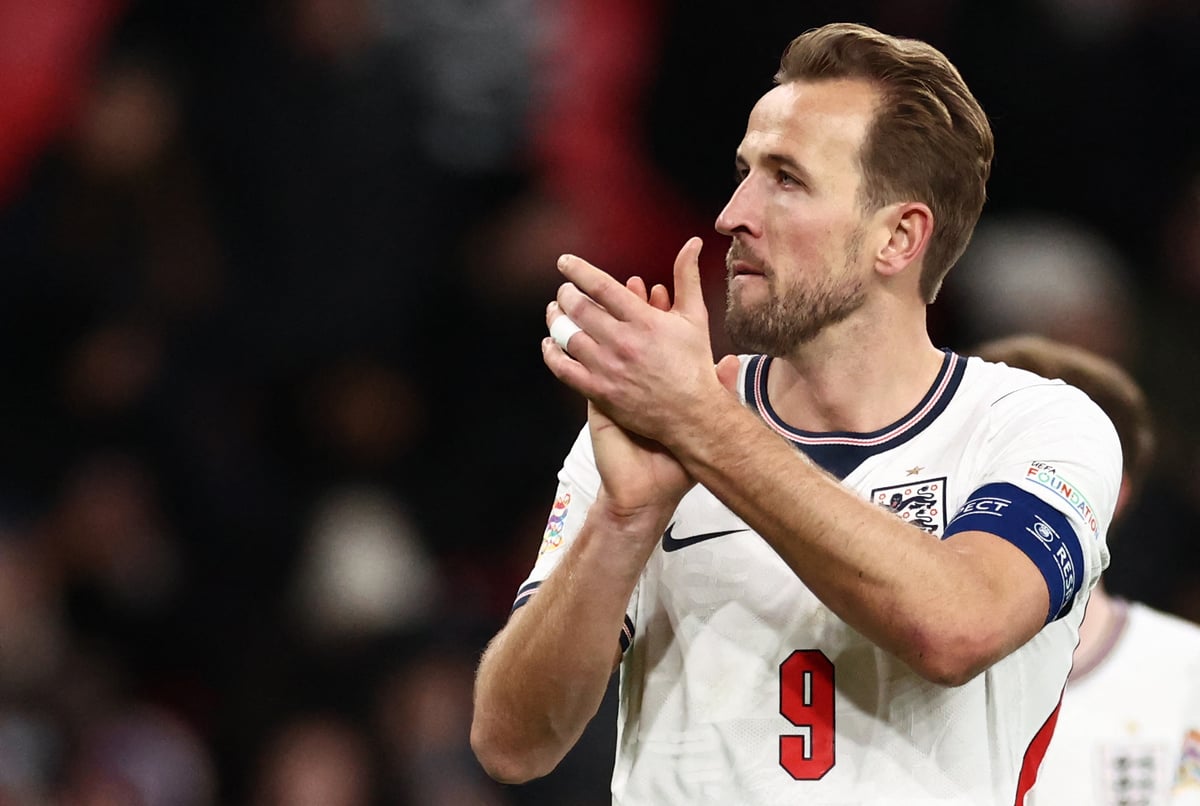
For Harry Kane, the night at Wembley was set to be about statistics, but it quickly became a moment of personal recognition. The 33‑year‑old striker was prepared to lead his team against Croatia, a match that would secure a historic milestone: his 126th cap for England. This number was not just a personal achievement; it was a barrier that had stood for three decades. Before Kane stepped onto the pitch, the Football Association had orchestrated a special pre‑match presentation. However, the audience did not know the identity of the presenter until the very last moment. When Prince William took the stage, the surprise was palpable. The Prince held a framed England shirt, a tangible symbol of the respect Kane had earned on the global stage. The royal appearance was kept strictly confidential, adding a layer of ceremonial gravity to an evening that was already charged with the tension of a high‑stakes international match.
The significance of Kane's 126th appearance cannot be understood without looking back to 1989. For that many years, the record for England’s most‑capped men's player belonged to Peter Shilton, the legendary goalkeeper whose name was synonymous with reliability and longevity. When Kane pulled clear of Shilton, he did not just add a number to a list; he moved into the upper echelons of English football history. By leading the team against Croatia, Kane demonstrated that his physicality and decision‑making remain at the peak, even at 33 years of age. The match itself served as the backdrop for this transition, a final piece of the puzzle that officially redefined the national benchmark for caps.

What it means to become @england’s all-time appearance holder ❤️🏴 https://t.co/sfpxpML7c9
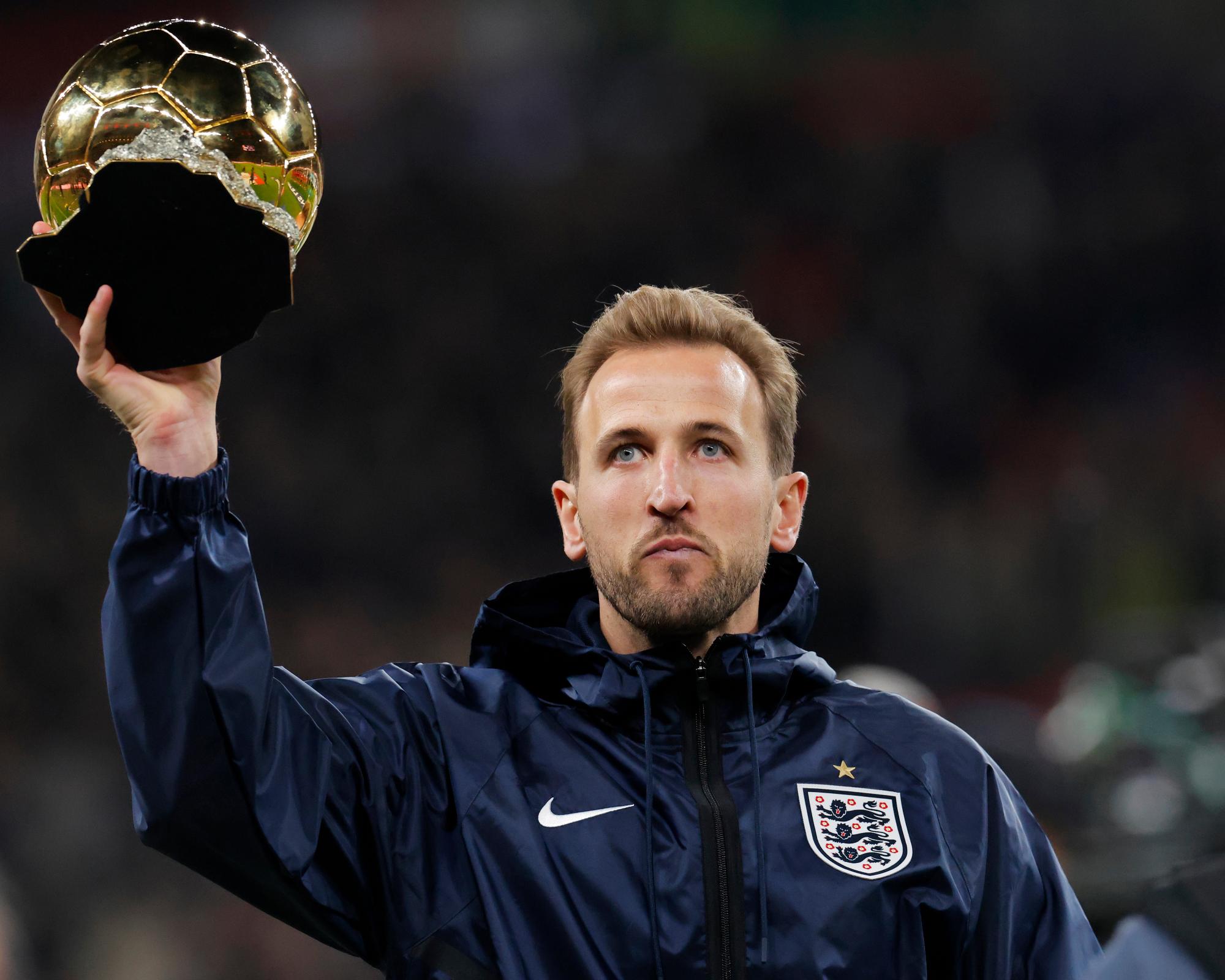
The presentation of the shirt was not the first time Kane had received recognition for his exceptional year. The shadow of the Ballon d'Or loomed large over this milestone. Kane had won the prestigious individual award, a victory that shattered a long‑standing exclusion for English players. For 25 years, no Englishman had claimed the Ballon d'Or, a drought that had defined a generation of footballers in the United Kingdom. Kane’s triumph broke that spell, marking him as the first English winner in a quarter‑century. The Ballon d'Or victory signaled that Kane was not just a domestic hero, but a global superstar recognized by peers and experts worldwide.
This was not a formal announcement but a strong indicator of the establishment's view of his legacy.
The political reaction to Kane's achievements was as nuanced as it was enthusiastic. In the weeks following his award win, Downing Street signaled that Kane’s trajectory was moving toward the highest levels of state recognition. Officials suggested that Kane could be in line for a knighthood, citing his ‘extraordinary achievement’ as the primary driver for such consideration. This was not a formal announcement but a strong indicator of the establishment's view of his legacy. The alignment between national sporting pride and state honours was clear.

Harry Kane scores winner on record-breaking night 🦁 https://t.co/KWdSxWpv2X
Andy Burnham extended his congratulations to Kane, ensuring that the state’s appreciation was documented. Through a spokeswoman, Burnham conveyed a message of deep national pride. “The PM knows the whole nation will be incredibly proud of him,” the spokeswoman stated. This was not just diplomatic pleasantries; it was an acknowledgment that Kane’s rise had captured the imagination of the country. By framing the achievement as something the ‘whole nation’ shares in, the government aligned itself with the public’s enthusiasm. The statement served to solidify Kane’s status not just as a footballer, but as a figurehead for contemporary British excellence.
Despite the glowing comments from 10 Downing Street, the path to a formal knighthood remains guarded by protocol. When asked specifically about the potential honour, Andy Burnham’s spokeswoman exercised caution. “I think everyone would agree, Harry Kane has given an enormous amount to English football, and this is a very special moment for him and the country,” she said, before pivoting to the administrative reality. “But, as ever, I’m not going to pre‑empt the honours process.” This refusal to speculate is standard practice, but in this case, it highlighted the gap between public sentiment and bureaucratic procedure. By refusing to pre‑empt it, the government respected the integrity of the system while still expressing their strong desire to see Kane recognized.
To a casual observer, a cap record might seem like a trivial statistic. However, in the context of Kane’s career, the 126th cap represents consistency under pressure, a testament to his enduring place in England’s football narrative.