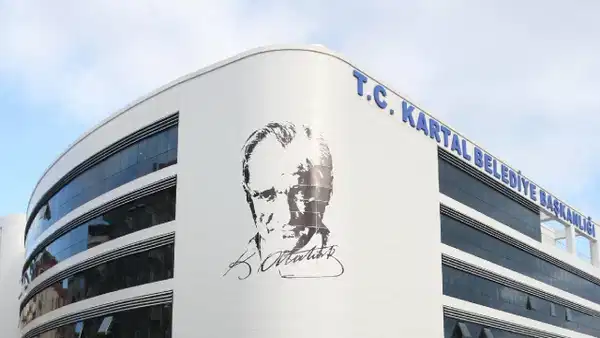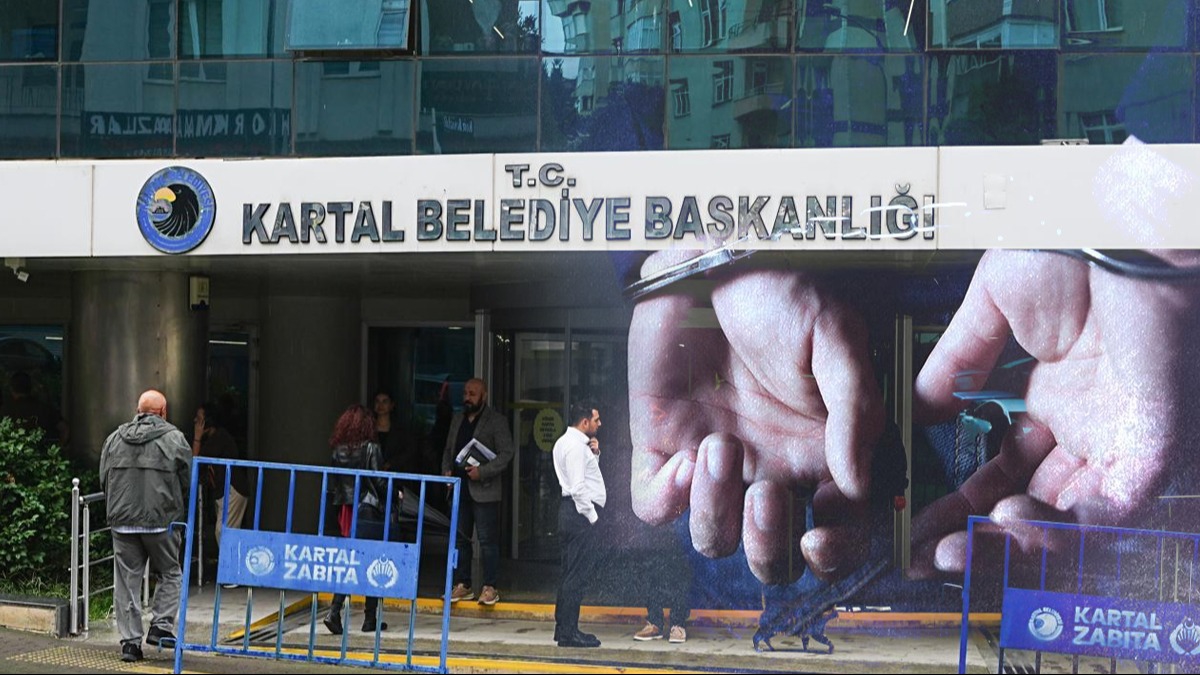
In the bustling Kartal district of Istanbul, where the urban landscape meets the sea, a shadow has fallen over the city's ambitious transformation plans. What began as a routine effort to modernize and secure the city's infrastructure has instead unraveled into a case of alleged fraud that has sent ten individuals to prison. The investigation, which began on November 23, 2026, centers on fraudulent reports prepared for the urban transformation of buildings deemed structurally risky in this rapidly developing area.
The Istanbul Anadolu Public Prosecutor's Office launched its investigation following serious allegations of misconduct in reports concerning eight specific buildings. According to authorities, these structures had been classified as risky, requiring special attention and transformation to ensure public safety. However, the Provincial Directorate of Environment, Urban Planning and Climate Change discovered a troubling pattern: the total construction area of these eight buildings had been systematically overstated, with discrepancies ranging from 400 to 1,000 square meters in each case. This wasn't merely a clerical error but a deliberate manipulation of official records that could have significant implications for urban planning and public safety.
Urban transformation projects are meant to protect citizens from the dangers of structurally unsound buildings, particularly in a seismically active region like Istanbul. When reports are falsified, the consequences can be catastrophic. The overstated construction areas suggest that the true scope of the risk posed by these buildings may have been obscured, potentially delaying or derailing critical safety measures. For residents of Kartal, this isn't just bureaucratic malfeasance—it's a matter of life and death that affects their homes and families.
As part of the operation, investigators seized digital materials that are believed to contain crucial evidence of the fraud.
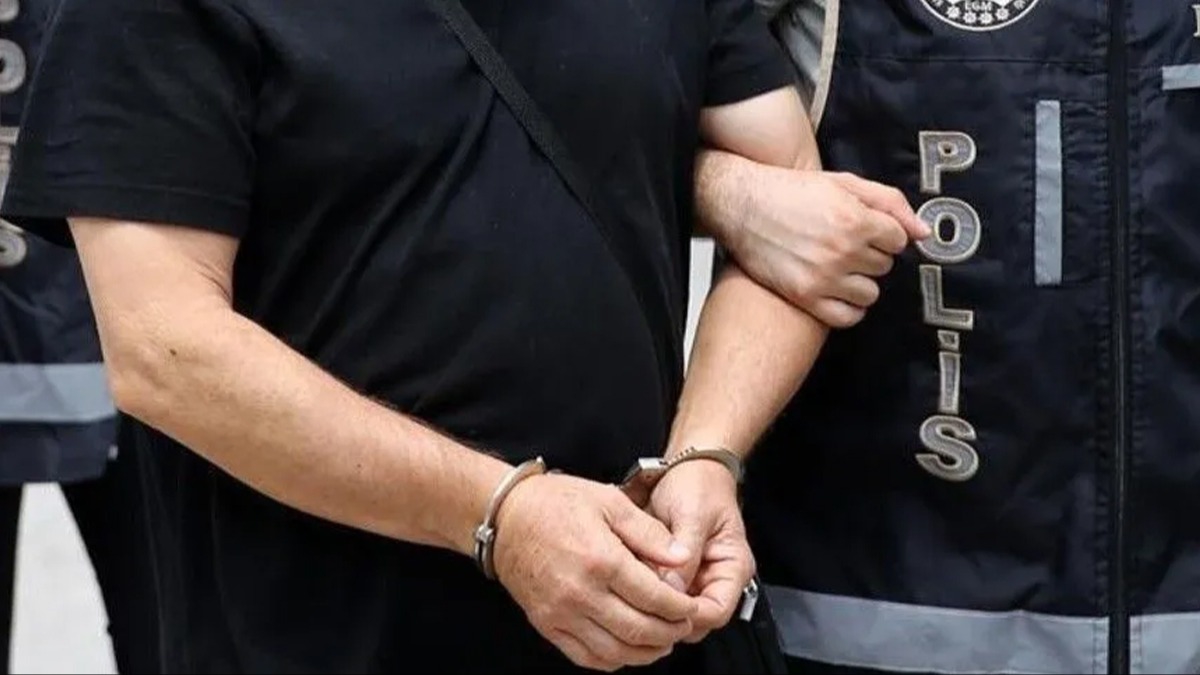
On November 23, 2026, the Istanbul Anadolu Public Prosecutor's Office opened its formal investigation into the fraudulent reports. The authorities moved quickly, recognizing the urgency of the situation. Four days later, on November 27, they executed a simultaneous operation targeting ten suspects believed to be responsible for preparing the misleading documents. These individuals, whose specific roles have not been disclosed, were apprehended in a coordinated effort that demonstrated the seriousness with which the authorities view the allegations.
As part of the operation, investigators seized digital materials that are believed to contain crucial evidence of the fraud. In today's digital age, such electronic documents often provide the most compelling proof of wrongdoing. The suspects were brought before the Anadolu Court, where they made their official statements. Following these proceedings, the duty magistrate determined that there was sufficient evidence to justify detention, and all ten suspects were remanded to prison pending further investigation and trial.
The case raises important questions about accountability in urban development projects. When reports are falsified, it's not just the individuals who prepare them who bear responsibility, but also the systems that oversee and approve such documents. The investigation into Kartal's building fraud may reveal deeper systemic issues that have allowed such misconduct to occur unchecked. For a city like Istanbul, which is constantly evolving and growing, ensuring the integrity of its urban transformation processes is essential to maintaining public trust and safety.
As the investigation continues, the ten individuals now in prison face serious charges that could result in significant prison time if convicted. The case has also cast a spotlight on the broader issue of urban transformation in Istanbul, particularly in areas like Kartal where development has been rapid and, at times, controversial. For the residents of these neighborhoods, the outcome of this investigation will be closely watched, as it may influence future urban planning decisions and the safety of their homes. In a city where the line between progress and peril is often thin, the Kartal building fraud probe serves as a stark reminder of the importance of transparency and accountability in the urban development process.