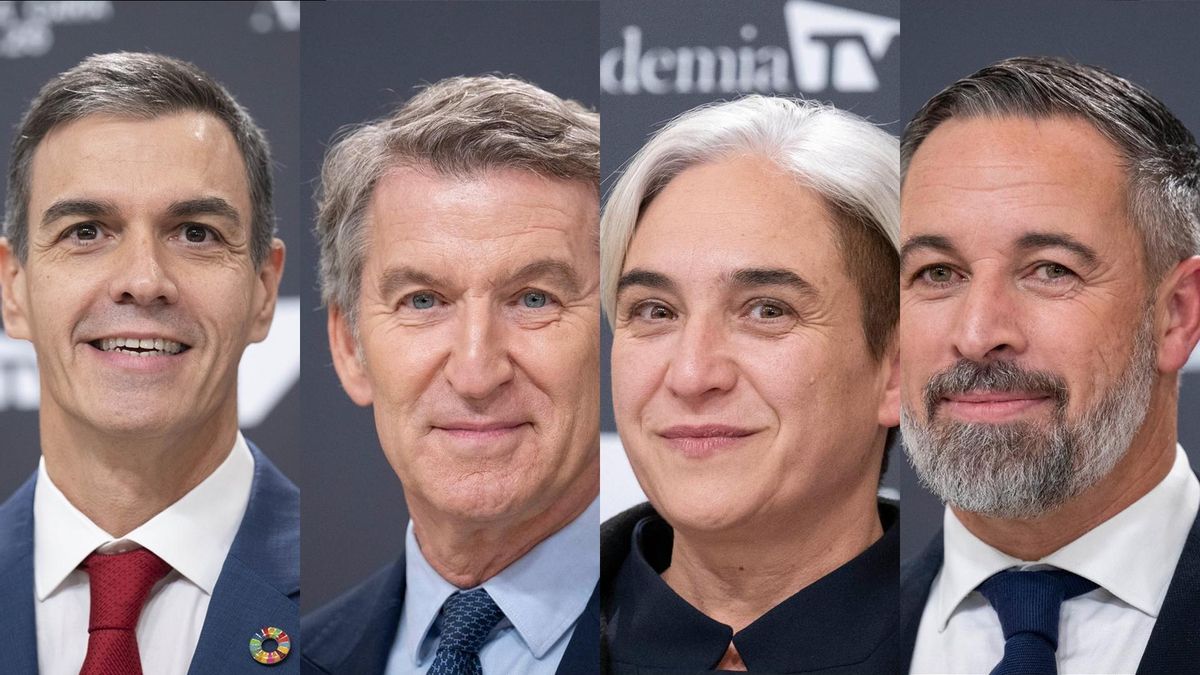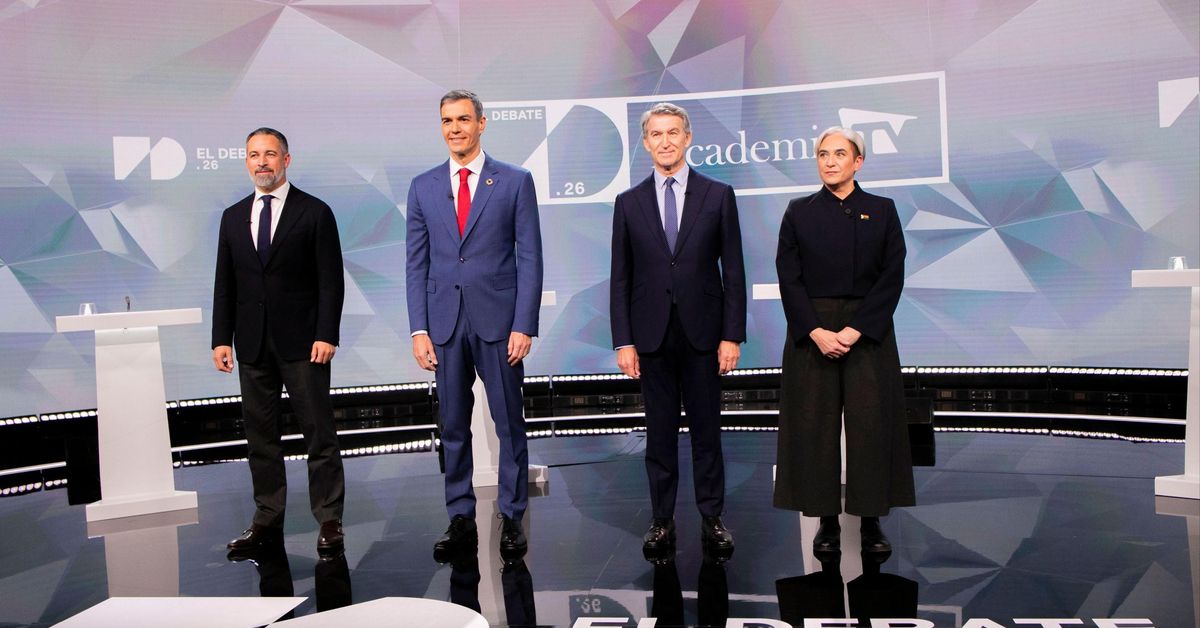
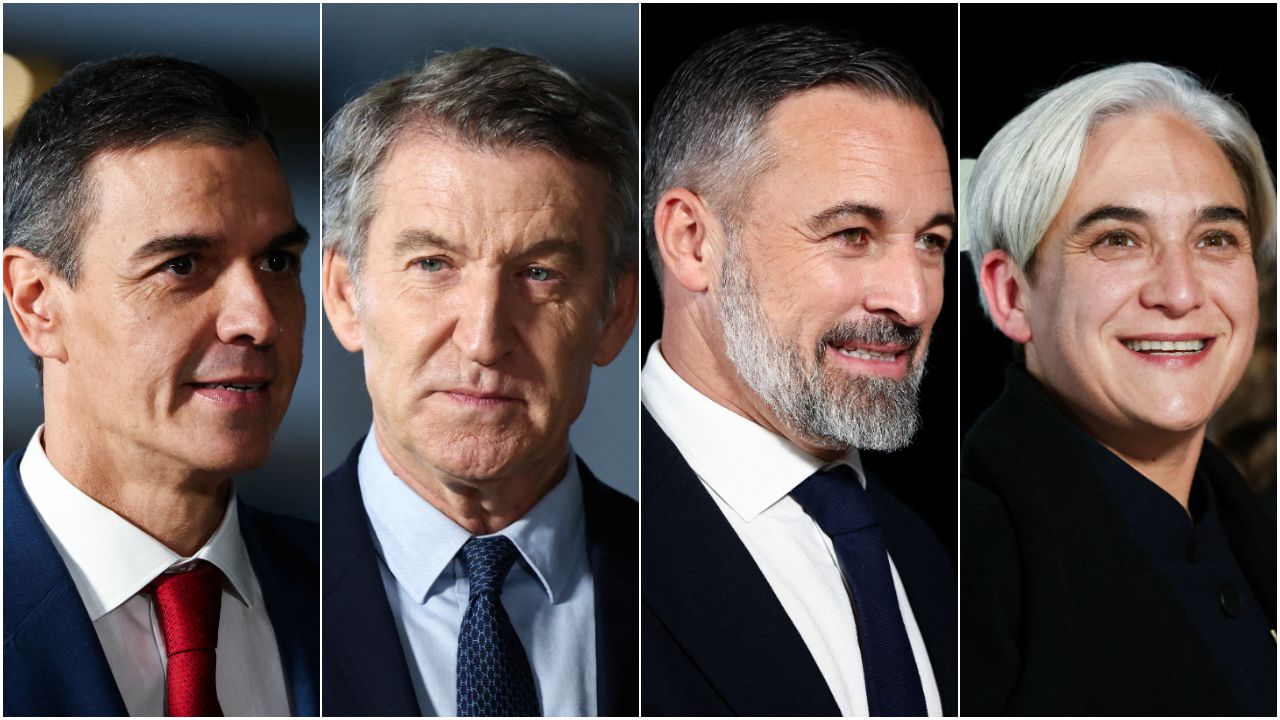
In the quiet suburb of Tres Cantos, Madrid, the air inside the Television Academy studio was thick with more than just the heat of studio lights. On November 26, 2026, the stage was set for a political collision that had been long anticipated: a four-way debate bringing together the primary architects of Spain's competing visions for the future. For the first time during this campaign, Pedro Sánchez, Alberto Núñez Feijóo, Santiago Abascal, and Ada Colau found themselves sharing the same space, locked in a struggle for the hearts and minds of a nation just days away from the polls.
The event, organized by the Television Academy, was not merely a formal exchange of ideas but a high-pressure arena designed to test the mettle of each candidate. Moderated by María Casado, the president of the Television Academy, the debate was structured to prevent any single voice from dominating the room through sheer volume.
As the debate unfolded, the candidates moved through a gauntlet of the issues most likely to determine the outcome of the November 29 general elections. The conversation quickly turned to the fundamental pillars of Spanish life: housing, the economy, and the stability of public services. These are not merely abstract policy points; they are the lived realities of the electorate. In these blocks, the candidates did not just present proposals; they confronted one another's very models for how the country should function. The tension was palpable as each leader attempted to frame their opponent's economic vision as a threat to the social fabric, while simultaneously defending their own ability to manage the nation's resources.
In the heat of these exchanges, the debate shifted from a discussion of governance to a battle over moral authority.
Beyond the material concerns of the economy, the debate delved into the darker corners of political life. The topic of anti-corruption served as a lightning rod, sparking mutual accusations that underscored the deep-seated animosities between the camps. In the heat of these exchanges, the debate shifted from a discussion of governance to a battle over moral authority. For the candidates, the ability to project an image of integrity was as crucial as their legislative agendas, as they sought to convince a skeptical public that they were the rightful stewards of the state.
As the moderator guided the participants through the final thematic segments, the scope of the debate expanded from the domestic to the international. Immigration and foreign policy emerged as critical friction points, forcing the leaders to articulate their stances on Spain's place in a changing world. These segments highlighted the ideological chasm between the participants, as they debated not only how to manage borders but how to define the national identity in an era of global movement. The exchange was marked by the same intensity that had characterized the earlier blocks, with each candidate using the platform to draw sharp lines between their vision and those of their rivals.
As the structured debate drew to a close, the format shifted from confrontation to individual appeal. Each of the four candidates was granted a "golden minute"—a single, sixty-second window to deliver a final closing statement. This was the moment for the leaders to strip away the cross-talk and the accusations, offering instead a distilled version of their message to the voters. It was a final attempt to capture the momentum of the evening and leave a lasting impression on an electorate that is poised to decide the country's direction in a matter of days.
As the lights dimmed in the Tres Cantos studio, the immediate intensity of the debate gave way to the looming reality of the election. The four-way clash provided a rare, concentrated look at the competing forces vying for power in Spain. With the general elections set for November 29, the arguments made in that studio—the promises on housing, the warnings on corruption, and the visions for the economy—will now move from the television screen to the ballot box, where the final verdict will be delivered.