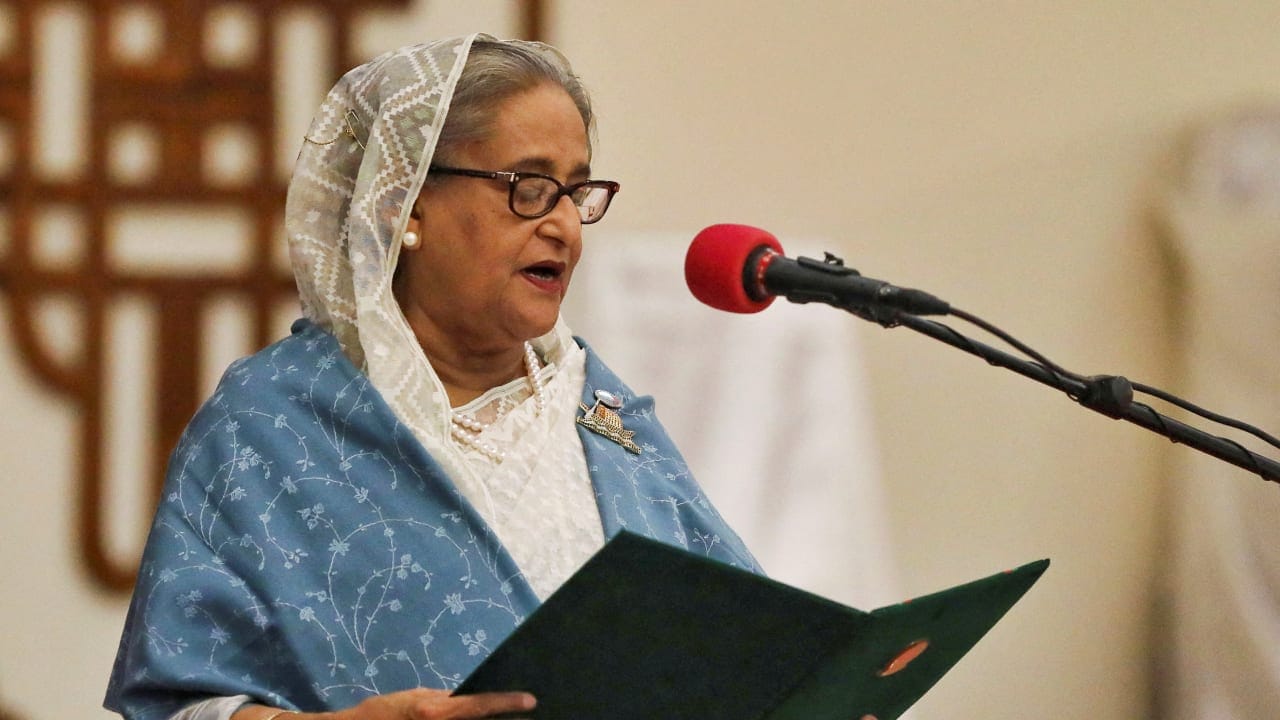
In the quiet corridors of exile, a significant move is unfolding. Sheikh Hasina, Bangladesh's former Prime Minister who fled the country in 2024, has taken a formal step toward returning home. Through her lawyers at London-based Matrix Chambers, Hasina has requested a new Bangladeshi passport and national identity card. This communication, the first of its kind since her departure, signals a dramatic potential shift in the nation's political landscape. The request comes as Hasina faces a death sentence issued in absentia by a Bangladeshi war-crimes court, setting the stage for what could be a tumultuous homecoming.
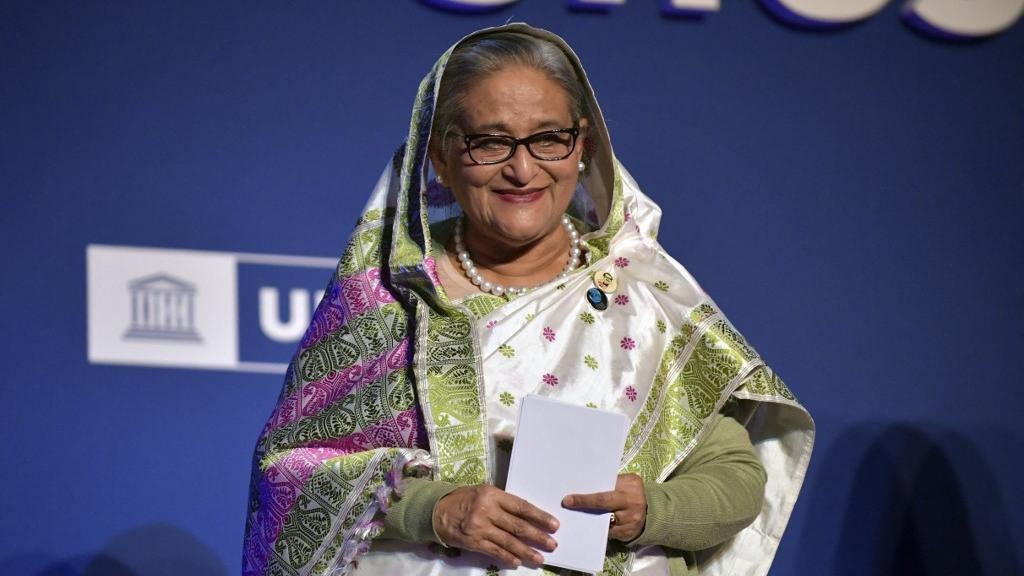
The timing of Hasina's request is particularly significant. On November 9, 2026, she was sentenced to death in absentia by Bangladesh's war-crimes court, a verdict that dramatically altered her legal standing. The same day marked another blow to her political legacy—her Awami League party, once the country's largest political organization, was banned following her fall from power. These twin developments created a complex web of legal and political challenges that any potential return would have to navigate. Her lawyers' letter explicitly references "the reported revocation of her existing Bangladeshi passport and National Identity Card," framing the new request as a matter of basic rights.

Exclusive: Ousted Bangladeshi Prime Minister Sheikh Hasina requested a new passport and identity card so she can return from self-imposed exile in India, her first such communication since fleeing in 2024 https://t.co/eDVkAWtP57
Hasina's legal team is approaching her case through the lens of international human rights law. In their correspondence, they asked Bangladeshi authorities to process the applications "expeditiously" on the basis of her Bangladeshi nationality and in accordance with "obligations arising under international human rights instruments." This framing suggests Hasina intends to position her return not just as a political maneuver but as a matter of fundamental rights. The reference to international instruments indicates she may seek to leverage diplomatic and legal protections should she return to face charges that carry a potential death penalty.
Her presence away from home has created considerations that must be balanced as she pursues new documentation.
The prospect of Hasina's return is fraught with uncertainty. She has told Reuters that "she plans to return to surrender before a court," a statement that could be interpreted as either a genuine intention or a strategic move to maintain relevance in her absence. Any return would inevitably reignite tensions between her supporters and opponents, potentially destabilizing the country still reeling from the events that led to her departure.

Hasina seeks new passport in ‘clearest sign’ of Bangladesh return: Reuters https://t.co/9Uu6z5E1hd
Hasina has been living in self-imposed exile since fleeing Bangladesh in 2024. Her presence away from home has created considerations that must be balanced as she pursues new documentation. The request for new documents suggests she may be preparing for a significant change in her circumstances, though the timeline remains unclear.
As Hasina's legal team pursues new documentation, fundamental questions about her potential return remain unanswered. How would the interim government respond to her reappearance? Would she face immediate arrest upon arrival? Could international intervention alter the course of her legal proceedings? The answers to these questions will likely shape Bangladesh's immediate political future. For now, the simple act of requesting a passport has transformed from a bureaucratic procedure into a potential catalyst for the next chapter in the nation's turbulent political saga.