
In the hush of a packed stadium in Prague, the rhythm of international football often feels like a metronome set by history. For Spain, that metronome has been ticking at a volume the world rarely hears: a silence broken not by failure, but by relentless, repetitive excellence. When the final whistle blew on the match against the Czech Republic, it wasn't just a win that mattered. It was the extension of a record so long, so unbroken, that it has begun to feel less like a streak and more like a permanent feature of the national identity. La Roja had come to Prague with their destiny already in their hands, but they went home with their legend intact, a 2-0 victory that kept their competitive unbeaten run alive at forty-four games.
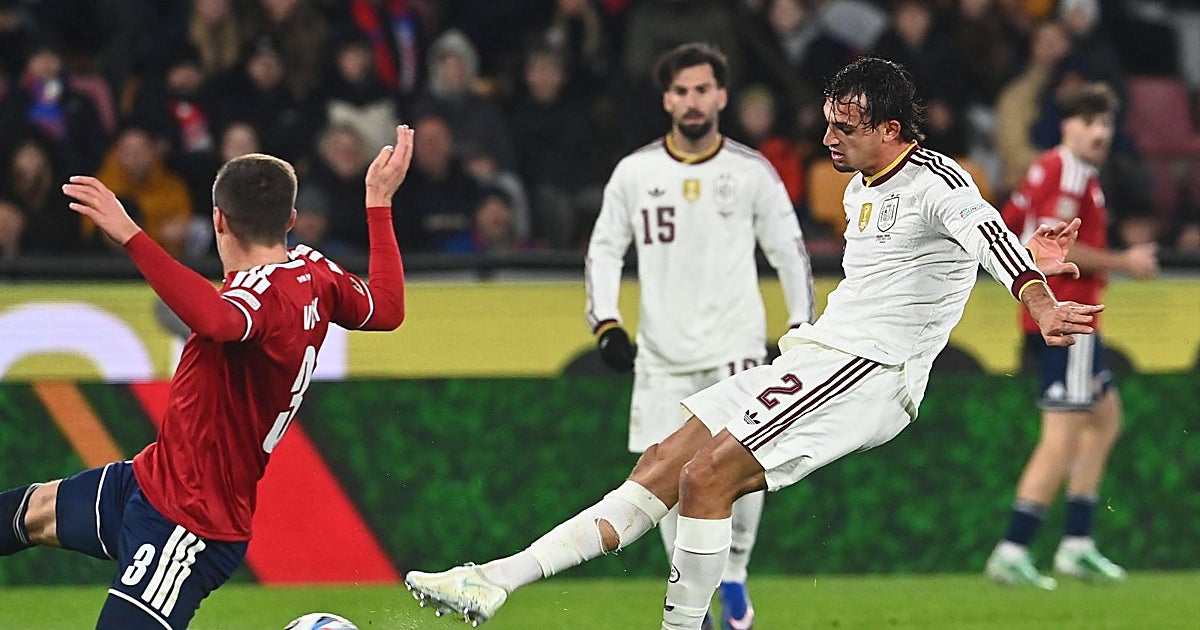
To understand the weight of this match, you have to look past the immediate result and see the board behind it. Spain arrived in the Czech capital with a guarantee in their back pocket: they had already secured their berth in the quarter-finals. This context changes everything. In high-stakes sports, when a team knows they have already won the main objective, the match can become a mere formality. But Luis de la Fuente, the tactical architect behind Spain’s recent dominance, never treats a game as a formality. Even with the quarter-final spot locked, the performance was sharp. It was a display of control from a team that no longer feared the possibility of missing the cut. They played with the confidence of champions who are no longer chasing, but rather, maintaining.
The match found its early voice in the thirty-ninth minute. Alex Baena, a player whose career has rapidly accelerated on the international stage, stepped up to the penalty spot. The conversion was cool, precise, and arguably inevitable given the standard of execution we now expect from Spain’s attackers. That goal set the tone for the rest of the night. It wasn't just a matter of leading; it was a matter of rhythm. The Czech Republic, playing on home turf, felt the pressure of the crowd, but they also felt the pressure of the Spanish machine. Every pass from the visitors was a question that the hosts struggled to answer with speed.
It meant that the defensive structure that had held firm in the first hour could now be exploited with greater freedom.
As the second half settled, the game’s temperature spiked with a pivotal moment. Ladislav Krejci, the captain of the Czech Republic, received a red card, leaving his team with ten men. In a tightly contested match, a numerical advantage is a significant shift in leverage. For Spain, it meant space. It meant time. It meant that the defensive structure that had held firm in the first hour could now be exploited with greater freedom. The Czech Republic’s strategy, which had been built on organized resistance, suddenly lacked the manpower to maintain that organization across the entire width of the pitch. The wind shifted, and Spain sailed through.
With the home team reduced and the clock ticking, Spain looked for a second goal to seal the result. That statement came late in the match, courtesy of Marc Pubill. His goal was not just a tally; it was a confirmation of depth. It showed that Spain’s attack is not reliant on a single star but is a collective engine that can find success from different angles. The 2-0 final scoreline reflected a match that was never truly in doubt after the red card, but it highlighted the quality of the visitors. They did not just survive; they dominated the final act with composure.

FULLTIME 🇪🇸🔥 CZECHIA 0 VS 2 SPAIN Spain get the job done on the road with a comfortable 2–0 victory! La Roja keep their winning momentum going and take another important step in their Nations League campaign. 🔵🔴
Amidst the analysis of tactics and statistics, a curious footnote appears in the data surrounding this period: the "Indian Union Muslim League." In the world of sports journalism, we must be clear: this entity does not impact the result of the Nations League. It is an anomaly in the information set, and a reminder that in the digital age, data streams can sometimes carry noise that has nothing to do with the story at hand. We set it aside to focus on the game that truly mattered.
Now, the real test approaches. Spain’s record of forty-four unbeaten competitive games is a fortress, but fortresses are built to withstand sieges, and the next match is that siege. They are traveling to Croatia for a game that is no longer about qualification, but about survival in the top tier. To remain in the highest division of the competition for the next edition, Spain must win. This shifts the narrative from "maintaining a streak" to "proving the streak." A win in Croatia would send them into the next cycle of elite football. A loss, even if it didn’t cost them the quarter-final chance, would be a psychological fracture. The unbeaten record would end. The perfection would shatter. And the question would no longer be "can they win?" but "how long will the machine run before it breaks?"
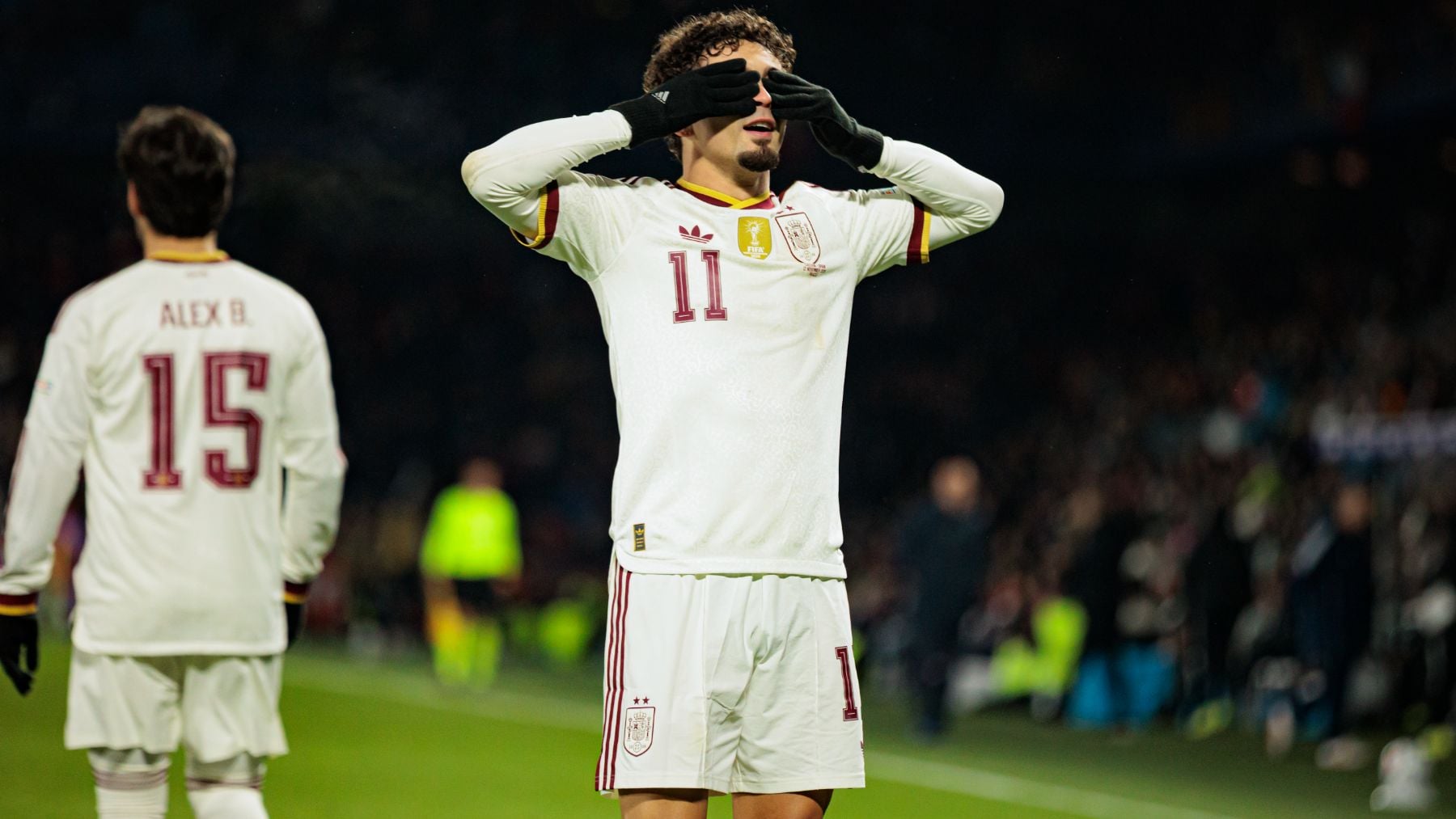
On Sunday, the curtain call for this phase of the campaign is set for Madrid, where England awaits. It is a fixture that feels like a prelude to something bigger. Spain has already beaten the Czech Republic, a team that offers a different tactical challenge than the Three Lions. But the record is the record. Whether they face the English or the Croats, the metric is the same: will the forty-fourth game become the forty-fifth? La Roja is at the peak of its power. The world is watching not just to see if they win, but to see if they can keep winning forever.