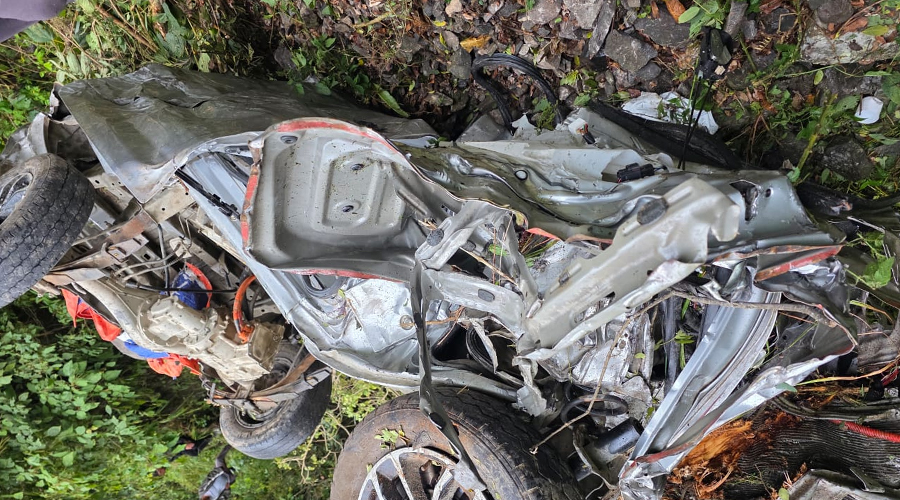
The early morning hours of October 24, 2024, brought tragedy to the mountainous region of Makwanpur district in central Nepal. A microbus carrying passengers returning from the Chhath festival in Kathmandu to Sarlahi district crashed in the Bhimfedi area, claiming at least 14 lives including the driver. The vehicle, which had been traveling along winding mountain roads typical of the region, lost control and plunged approximately 300 meters down a steep hillside.

The passengers had been participating in the Chhath festival, a significant Hindu celebration dedicated to the sun god. The festival draws thousands of devotees to water bodies to offer prayers, making it a time of increased travel across Nepal. For those on board the microbus, the journey home after the festival's observances would end in disaster. The accident occurred around 5:45 AM, a time when visibility might still be limited in the mountainous terrain.
Local authorities quickly responded to the crash site. District Police Spokesperson confirmed the accident details, noting the time and location. "The accident took place around 5:45 AM in Makwanpur district," the spokesperson stated. Emergency teams worked to extricate survivors and transport the injured to medical facilities. Six injured passengers were admitted to a local hospital in Hetauda, the nearest major town to the crash site.
The devastating loss represents one of the more serious road accidents to occur in Nepal's mountainous regions in recent months.
As rescue operations continued throughout the morning, the confirmed death toll rose to 14 people, including the driver of the microbus. District Chief Officer Basant Adhikari officially confirmed the grim numbers. "Confirmed the death of 14 people, including the driver," Adhikari reported. The devastating loss represents one of the more serious road accidents to occur in Nepal's mountainous regions in recent months.
Authorities have launched an investigation into the cause of the accident. The steep terrain and narrow roads of the Bhimfedi area present significant challenges for drivers, especially during early morning hours when fog and reduced visibility can increase risks. The specific factors that led to the microbus losing control remain under examination as investigators work to determine if mechanical failure, driver error, or road conditions played a role in the crash.
Nepal's mountain roads have long been recognized as hazardous, with numerous accidents occurring each year due to challenging terrain, weather conditions, and sometimes inadequate infrastructure. The country's topography, featuring steep hills and narrow winding paths, creates driving conditions that require particular care and expertise. The latest accident underscores the ongoing risks faced by travelers on Nepal's mountain routes.
The accident has cast a pall of mourning over communities in both the origin and destination points of the journey. Families in Sarlahi district awaited the return of their loved ones who had traveled to Kathmandu for the Chhath festival, only to receive news of the tragic crash. The loss of so many lives in a single incident has left many communities grieving and searching for answers about how such a disaster could occur.

As investigations continue, questions remain about road safety in Nepal's hilly regions. The accident highlights the persistent challenges of maintaining safe transportation routes in difficult terrain. Authorities may face renewed calls for improved road maintenance, better safety measures, and potentially more stringent regulations for passenger vehicles operating in high-risk areas.
With the cause of the crash still under investigation, attention turns to supporting the survivors and the families of those who perished. The accident serves as a stark reminder of the dangers inherent in mountain travel and the need for continued efforts to improve road safety across Nepal's challenging landscape.