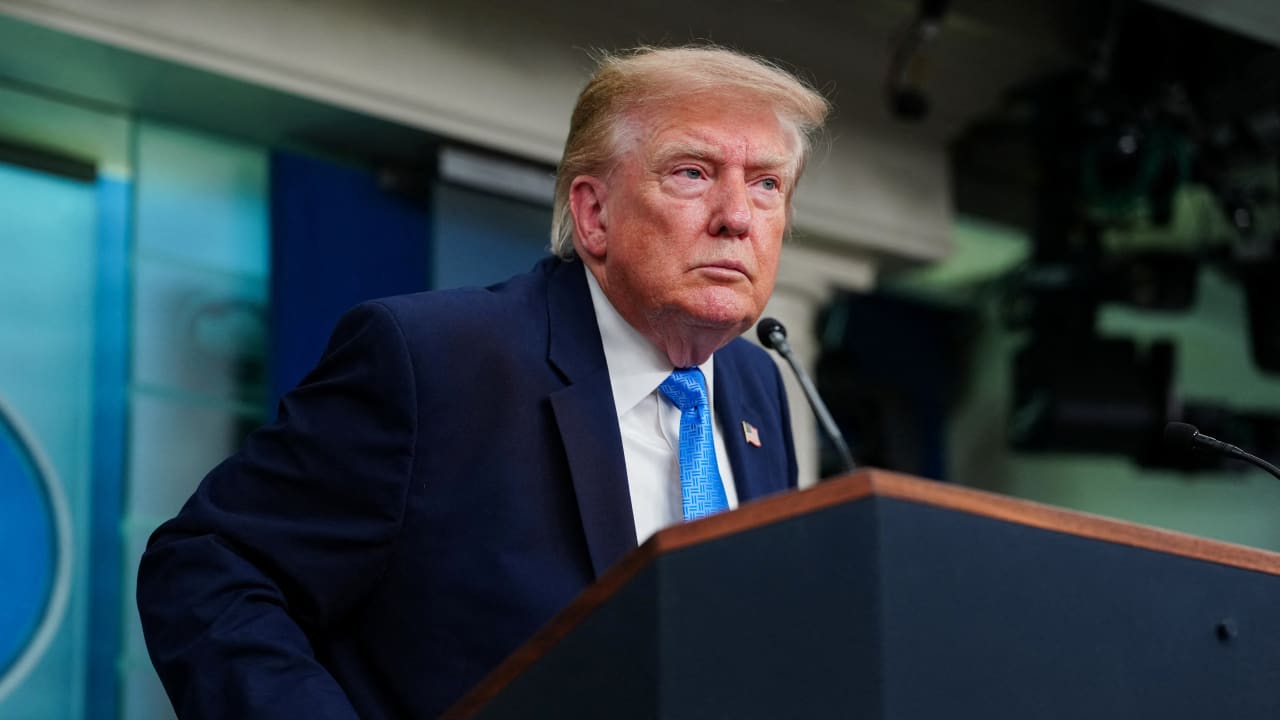
In a recent interview with Fox News, President Donald Trump offered a nuanced assessment of Iran's current leadership, suggesting they may be more reasonable than their predecessors while simultaneously describing them as "very, very difficult" to negotiate with. This apparent contradiction captures the complex dance of diplomacy that has defined U.S.-Iran relations for decades, with Trump positioning himself as determined to break the cycle of failed agreements.

Trump didn't mince words when addressing Iran's track record with international agreements. "We reach an agreement, and then they violate it the next day," he stated, reflecting a frustration that has echoed through administrations of both parties. The president referenced what he called "fake deals" that have persisted for 51 years, emphasizing his desire to forge something more durable. This historical context matters because it explains why Trump views any potential agreement not just as a policy achievement, but as a legacy-defining accomplishment.
What distinguishes Trump's current approach is his explicit focus on creating an agreement that would outlast his presidency and potentially future administrations. "What I'm doing is making sure that even if, in four, 15, or 20 years, we have an incompetent president, the agreement I reach will be permanent," he declared. This represents a significant shift from the temporary nature of previous arrangements, suggesting an ambition to institutionalize constraints on Iran's nuclear program regardless of who occupies the White House in the future.
In a press conference held in China, the president identified Iran's unwillingness to make a deal as a culprit in rising energy costs.
Beyond nuclear non-proliferation, Trump connected Iran's negotiating posture to global economic concerns, specifically high fuel prices. In a press conference held in China, the president identified Iran's unwillingness to make a deal as a culprit in rising energy costs. This economic framing adds another layer to the diplomatic calculus, suggesting that a resolution could have tangible benefits for consumers worldwide beyond just security considerations.
The same day that Trump was discussing Iran with Fox News, he was also engaged in high-level diplomatic meetings with Chinese President Xi Jinping and Russian President Vladimir Putin at the APEC summit. These discussions focused on reducing nuclear war risks, indicating that Iran's nuclear program remains a priority item in global security discussions. The involvement of both China and Russia underscores the international nature of the challenge, as any comprehensive agreement would need to account not just U.S. concerns but those of other major powers.
Trump's characterization of Iran's current leadership as "probably more reasonable" than previous regimes suggests a potential opening for diplomacy, even as he maintains that they remain difficult negotiating partners. This assessment, if accurate, could represent a shift in Iran's approach to international relations, though Trump's comments indicate that any potential deal would need to meet his specific standards to be considered acceptable.
As Trump continues to articulate his vision for a permanent agreement, the challenge remains whether Iran would be willing to accept the terms he proposes. The president's own words suggest skepticism about Tehran's intentions: "They want to make a deal, but they don't want to make a deal that's acceptable to me." This statement highlights the fundamental tension that has long defined these negotiations—each side has its own red lines and priorities that must be reconciled for any agreement to be viable.
With Trump expressing determination to secure what he describes as a "real deal" rather than the temporary arrangements of the past, the stage is set for what could be a defining chapter in U.S.-Iran relations. Whether this ambition translates into an actual agreement remains to be seen, but the president's clear articulation of his goals marks a significant moment in the ongoing effort to prevent Iran from acquiring nuclear weapons while addressing the broader tensions that have long characterized this relationship.