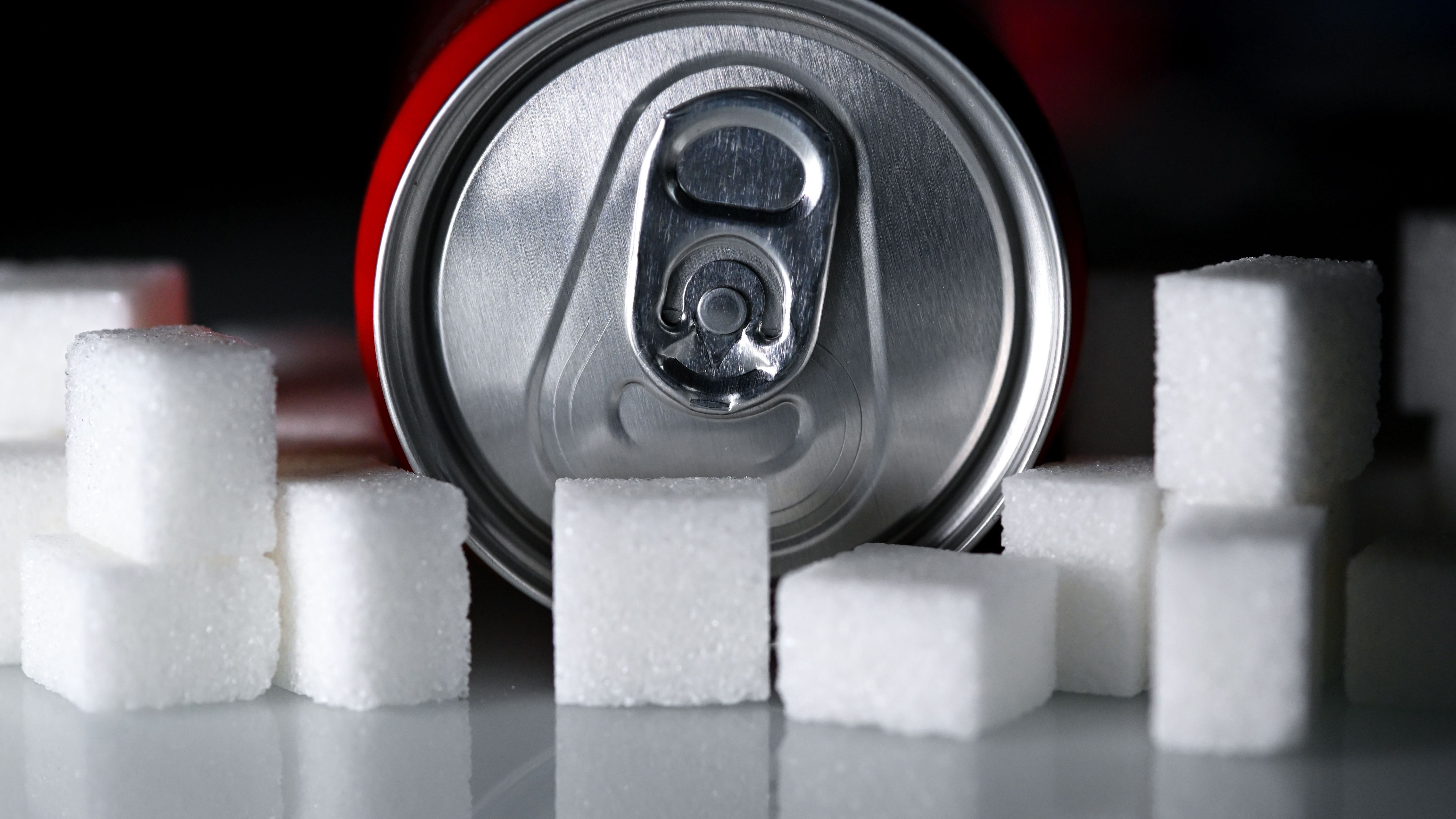
In the delicate chemistry of German coalition politics, timing is often as critical as the substance of the policy itself. For months, the prospect of a new sugar tax has loomed over the halls of government—a measure designed to influence consumer habits by altering the price of sweetness. The coalition has decided to postpone the introduction of the tax until the beginning of 2028.

The original target date for the tax to take effect was July 1, 2027. Under that framework, the rollout was planned in two stages, moving the nation toward a new pricing reality for sugary goods.
The strategy now shifts from a two‑stage transition to a three‑stage implementation. The decision, reported by Deutsche Presse‑Agentur based on information from both coalition factions, changes the rollout to three stages.
The tax applies to beverages with a sugar content of five grams or more per 100 milliliters.
The tax applies to beverages with a sugar content of five grams or more per 100 milliliters.
The tax rate is set at 26 cents per liter for drinks that meet the threshold.
The black‑red coalition’s agreement to move to a three‑stage rollout and to shift the start date to early 2028 reflects a coordinated decision within the partnership.
Implementation is now scheduled for the beginning of 2028, giving industry and the public additional time before the tax takes effect.