In the shifting sands of southern Gaza, some names carry the weight of decades. For the Izz al-Din al-Qassam Brigades, the name Samir Abu Yunis—often referred to as Abu Mahmoud—was one such anchor. A 53-year-old veteran of the Hamas military wing, Abu Yunis was not a recent addition to the conflict's long roster of combatants. He had been part of the organization since 1991, making him one of its earliest members. Over those thirty-five years, he ascended through the ranks to become a member of the General Military Council and the commander of the Rafah Brigade, a role that placed him at the center of the group's strategic planning and operational oversight.

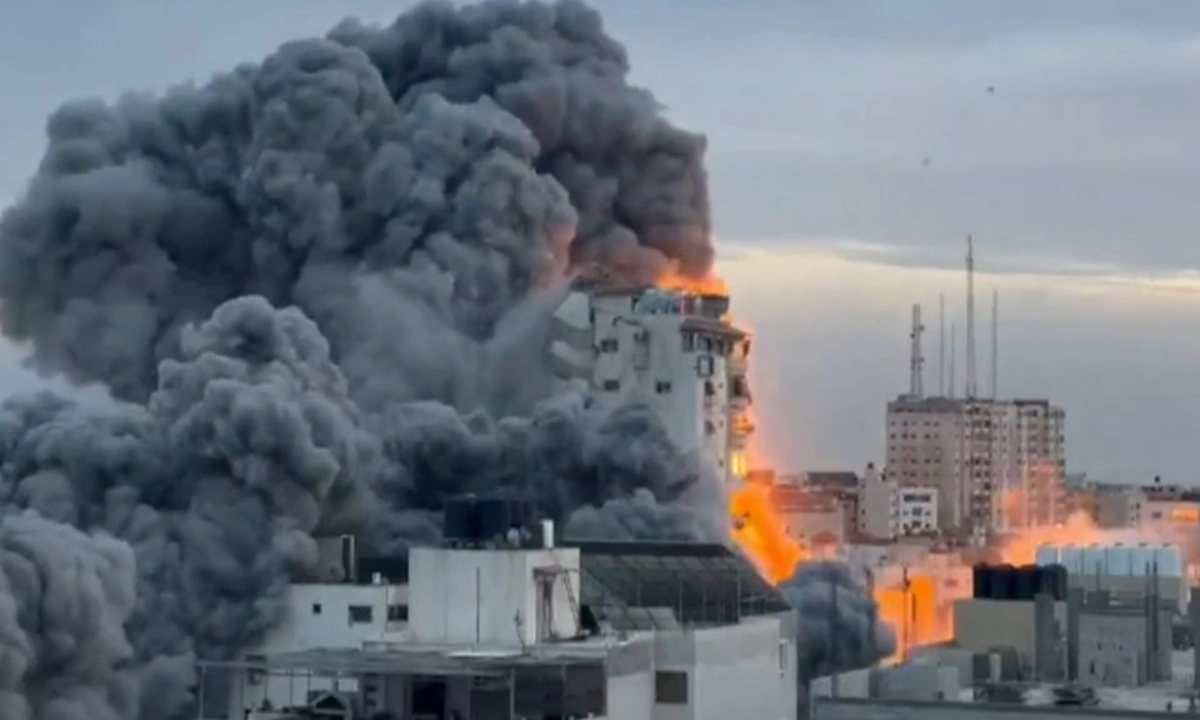
His presence was a constant in the landscape of the struggle, a figure whose influence was woven into the very fabric of the military wing's structure. But on November 15, 2026, that long tenure came to a violent end in the al-Mawasi area of Khan Younis. An Israeli airstrike, precision-targeted and devastating, struck the area, claiming the life of the senior commander and fundamentally altering the local landscape of the conflict.
The strike did not merely target a single individual; it left a trail of casualties that rippled through the civilian and medical infrastructure of the region. The attack, which occurred at the Nasser Medical Complex, resulted in the deaths of six people. Among the fallen were a surgeon and a child, casualties that underscore the heavy human cost of the kinetic operations in the Gaza Strip.
While the world watches for signs of stability, the continued military operations suggest a conflict that refuses to be contained by signatures on a page.
As rescue workers arrived at the scene, the reality of the strike became clear. Civil defense sources reported that after the dust settled, workers recovered the body of Abu Yunis alongside two other injured individuals. The loss of a medical professional in the midst of an active conflict zone highlights the precarious nature of healthcare delivery in a territory under constant military pressure.
The timing of this escalation is particularly striking when viewed against the backdrop of recent diplomatic efforts. On October 1, 2025, a ceasefire agreement was reached, intended to stem the tide of violence. Yet, the reality on the ground tells a different story. Since that agreement began, at least 1,600 Palestinians have been killed in continued Israeli attacks.
The strike in Khan Younis is a stark reminder that the cessation of hostilities remains fragile, if not entirely illusory. While the world watches for signs of stability, the continued military operations suggest a conflict that refuses to be contained by signatures on a page. The gap between the diplomatic intent of October 2025 and the kinetic reality of November 2026 reveals a landscape where the guns have not truly gone silent.
To understand the scale of the violence currently unfolding, one must look at the broader statistics that have accumulated since the conflict intensified in October 2023. The numbers are staggering and serve as a grim ledger of the war's progression. Palestinian authorities report that over 74,000 people have been killed in Israel's attacks since that time.
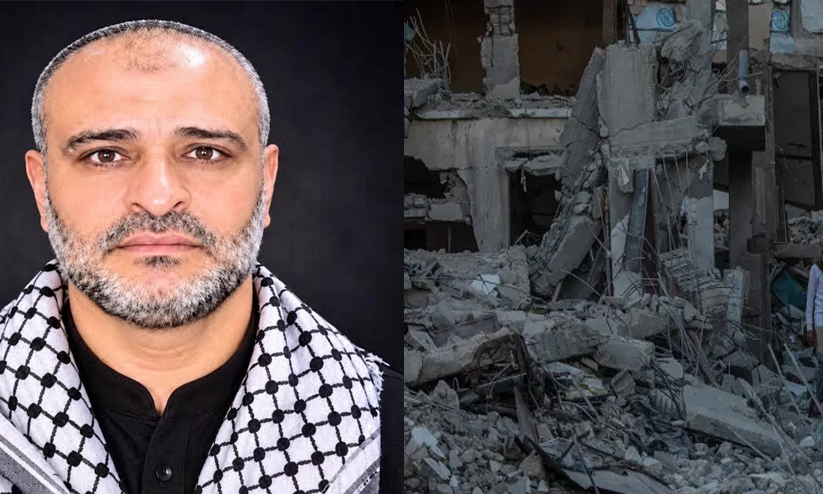
Conversely, the impact of the conflict has also been felt within Israel, where approximately 1,200 people have been killed during the same period. These figures represent more than just data points; they represent a sustained, high-intensity environment of loss that has persisted for years. The death of Abu Yunis is the latest chapter in this long, bloody chronicle, adding a high-ranking military figure to a list of casualties that includes thousands of civilians.
In the immediate aftermath of the strike, the political and military responses were swift. The Izz al-Din al-Qassam Brigades moved quickly to confirm the death of their senior commander, acknowledging the loss of a man who had been central to their military operations. For the organization, Abu Yunis was not just a soldier, but a strategist who played a key role in planning and overseeing operations against Israel.
Hamas has responded to the strike with sharp rhetoric, condemning the attack as a war crime. This condemnation reflects the group's stance on the targeting of areas near medical complexes and the resulting civilian casualties. As the news of the commander's death spread, the focus shifted toward the funeral, which was scheduled to be held in Khan Younis on November 15, 2026, serving as a moment of both mourning and mobilization for the group.
As the funeral preparations begin in Khan Younis, the immediate question is not just about the loss of a single commander, but about what this escalation means for the future of the ceasefire. The death of a figure as established as Abu Yunis, combined with the continued loss of life in the months following the October 2025 agreement, suggests a period of heightened volatility.
The strike at the Nasser Medical Complex has left a vacuum in the local military leadership and a fresh wave of grief among the population. With the death toll continuing to climb on both sides of the border, the path toward any lasting peace remains obscured by the smoke of ongoing airstrikes and the heavy weight of a conflict that shows no signs of receding.