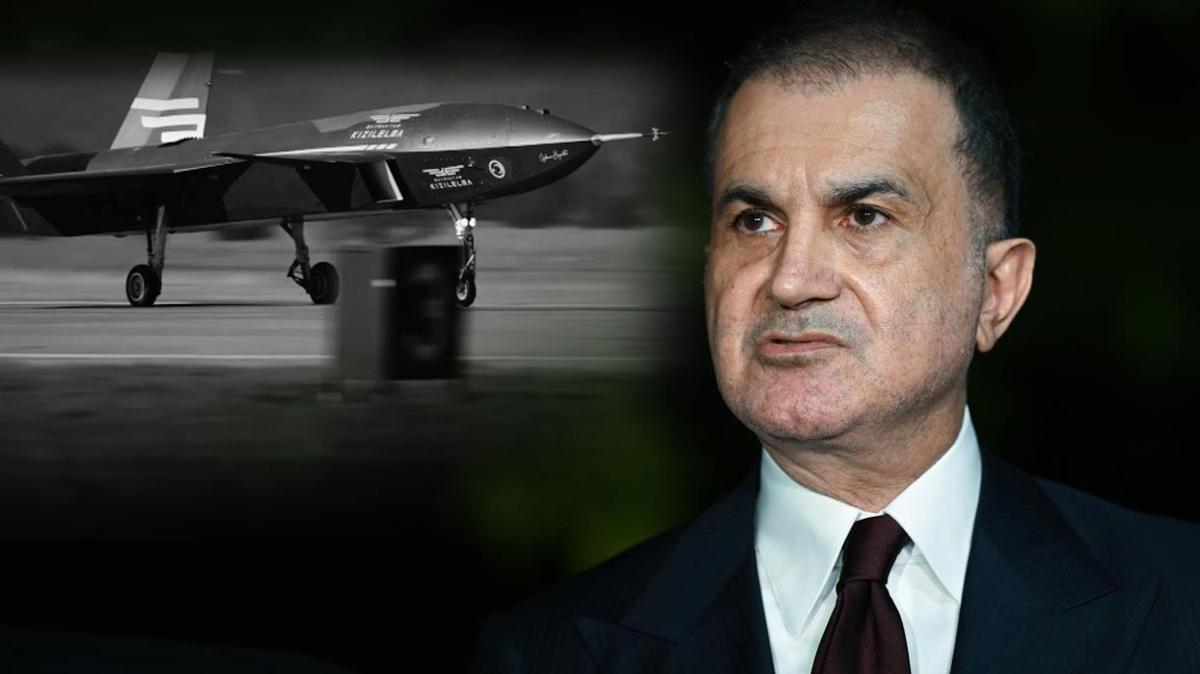
On a crisp November day in 2025, history was made in Turkey's aviation landscape. The first three units of KIZILELMA, an unmanned combat air vehicle (UCAS), were officially delivered to Turkish security forces. This moment marked more than just another technological advancement—it represented Turkey's entry into an exclusive club of nations pushing the boundaries of military aviation, becoming the first country in the world to add an unmanned fighter jet to its operational inventory.
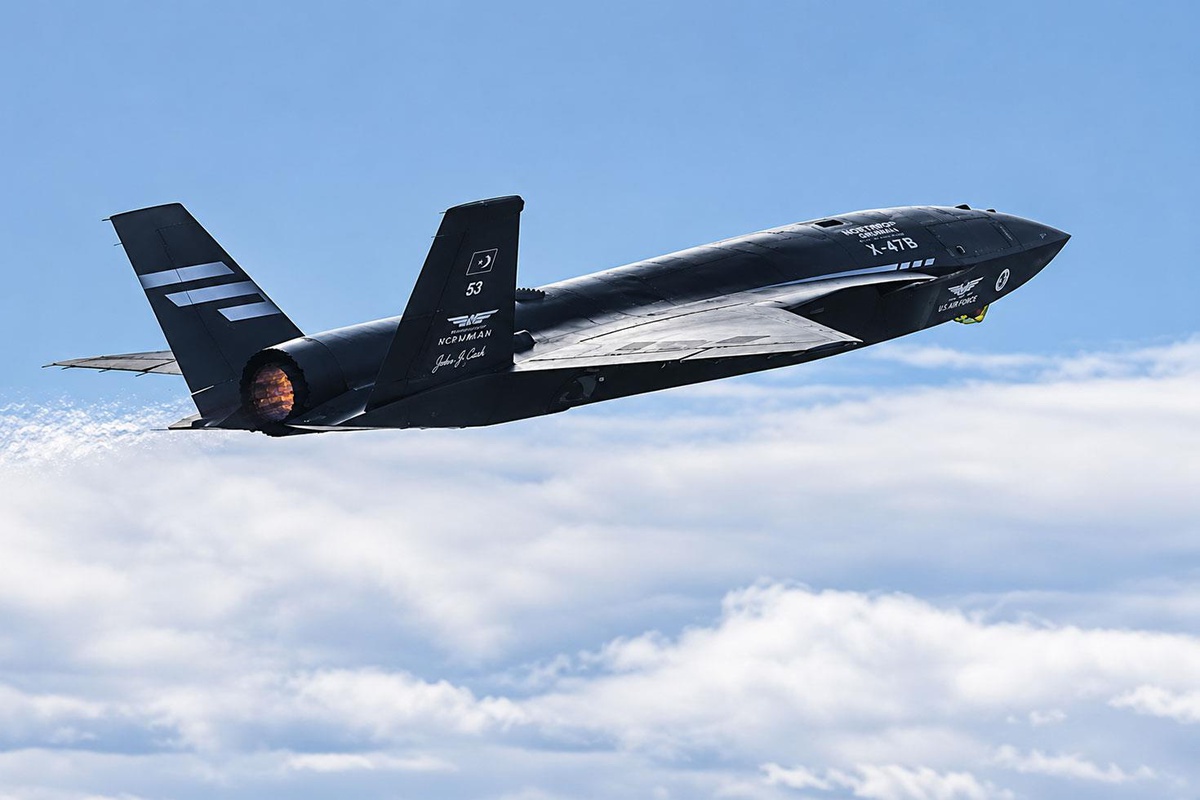
"For the first time in the world, an unmanned combat aircraft is entering the inventory," declared Selçuk Bayraktar, Chairman of Baykar, the company behind this groundbreaking achievement. The delivery concluded years of intensive development and testing, bringing to fruition what Bayraktar described as a "20-year dream" realized.
The journey of KIZILELMA began not with metal and engines, but with ideas. On July 20, 2021, Baykar shared the first conceptual designs of what would become Turkey's most advanced unmanned aerial system. Just eight months later, on March 12, 2022, production commenced, signaling the transition from theoretical design to physical reality.
Each test brought the aircraft closer to operational readiness, validating Baykar's engineering approach and Turkey's growing domestic defense capabilities.
The aircraft took to the skies for the first time on December 14, 2022, completing its maiden flight ahead of schedule—a testament to the efficiency of the development process. This early success set the tone for the ambitious testing program that would follow, establishing KIZILELMA as a serious contender in the realm of unmanned combat systems.
Before the November 2025 delivery, KIZILELMA had already accumulated an impressive 600 sorties, each contributing valuable data and refining the aircraft's capabilities. The testing program featured several significant milestones that demonstrated the system's versatility and lethality.
In April 2023, KIZILELMA achieved a notable feat by performing a dual-UAV close-formation flight alongside the AKINCI TİHA, showcasing its ability to operate seamlessly alongside other unmanned systems. By October 2025, the aircraft had successfully completed initial air-to-air weapon tests using TOLUN and TEBER-82 munitions, proving its combat potential.
The following month saw the integration of the TOYGUN targeting system, enhancing KIZILELMA's precision and effectiveness in various operational scenarios. Each test brought the aircraft closer to operational readiness, validating Baykar's engineering approach and Turkey's growing domestic defense capabilities.
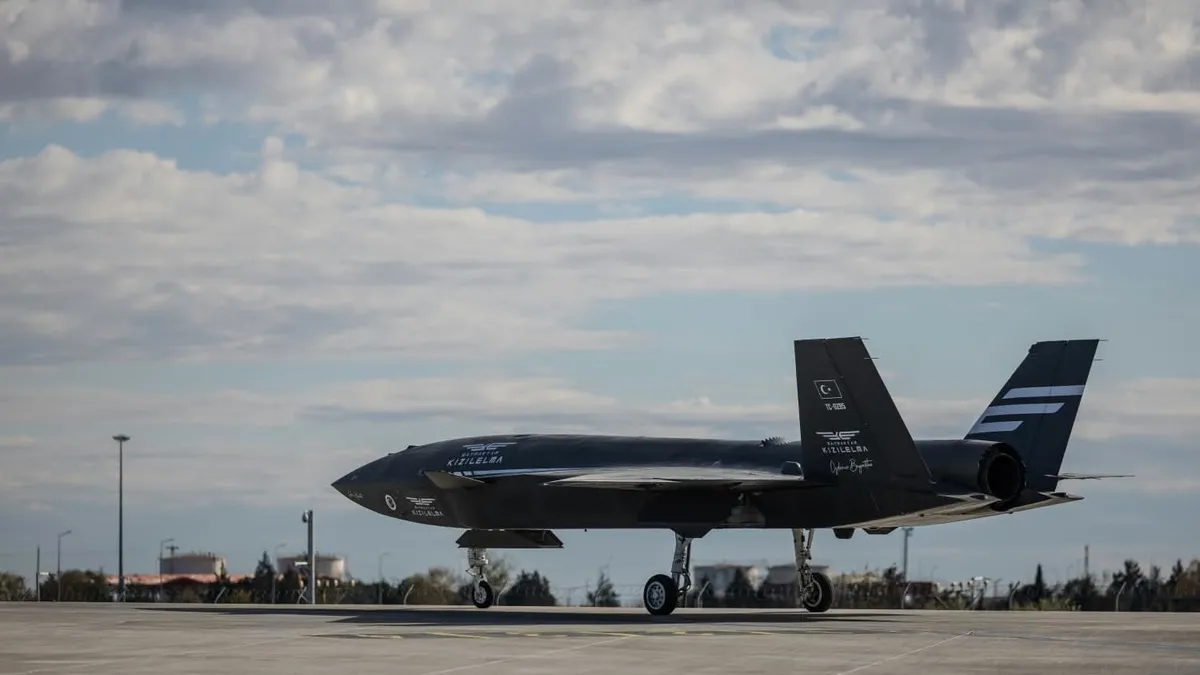
Perhaps the most critical validation came on November 29, 2025, during a test in Sinop. Guided by ASELSAN's MURAD AESA radar, KIZILELMA successfully engaged and destroyed a jet-powered target with a TÜBİTAK SAGE GÖKDOĞAN beyond-visual-range air-to-air missile. This achievement marked a historic moment: the first time an unmanned fighter jet had accomplished such a feat.
The test demonstrated not only KIZILELMA's technological sophistication but also its potential to revolutionize aerial combat. By 2026, the aircraft had further proven its capabilities by demonstrating supersonic missile performance and successfully integrating internal weapon bays—features that significantly enhance its stealth and combat effectiveness.
The induction of KIZILELMA into active service represents more than just a technological triumph for Turkey. It reflects the country's growing self-sufficiency in defense technology and its emergence as a significant player in the global aerospace industry. As traditional military powers continue to grapple with the challenges of integrating unmanned systems into their arsenals, Turkey has leaped ahead by fielding a fully operational unmanned combat aircraft.
The achievement also underscores a broader shift in military aviation, where the lines between manned and unmanned systems continue to blur. As KIZILELMA begins its operational service, it carries with it the promise of new possibilities in aerial warfare, potentially redefining how nations approach air power in the decades to come.