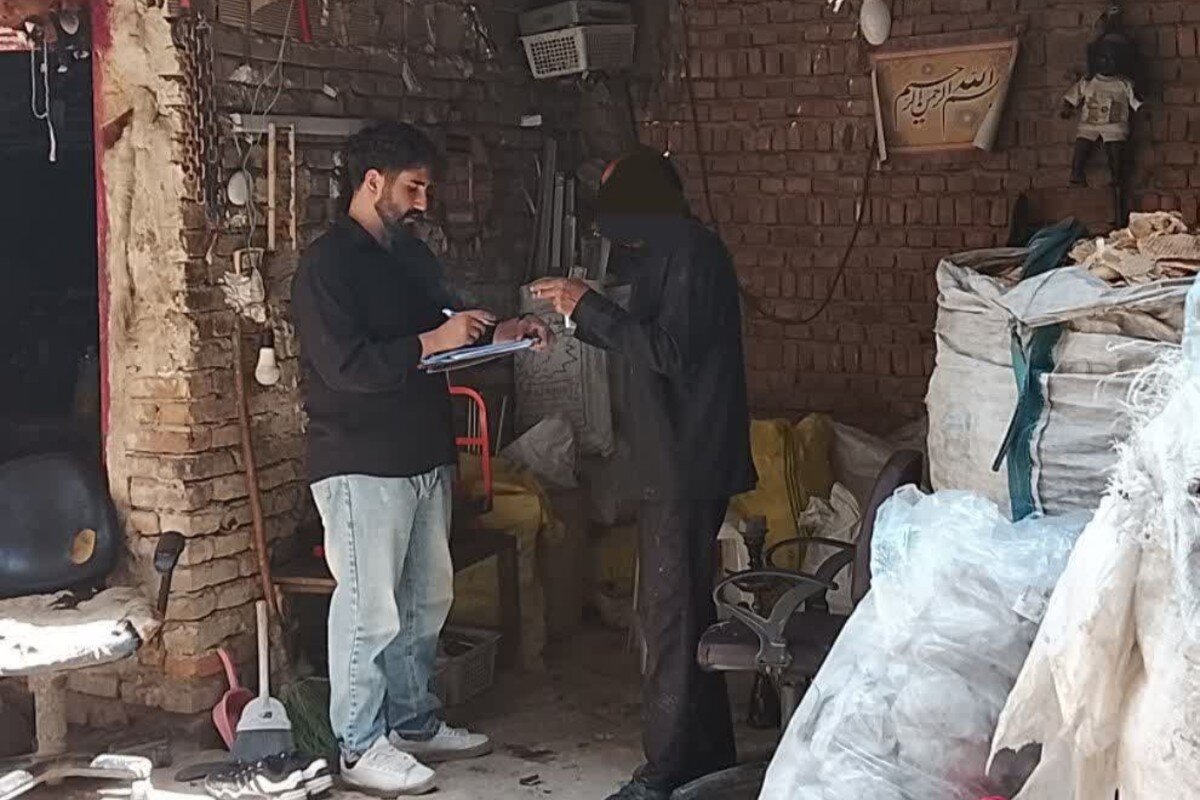
On a crisp November morning in 2026, police officers moved through the Golestan area of Baharestan, their presence marking a new phase of regulatory enforcement. Their target: 25 male barbershops, ordinary businesses that form the fabric of daily life in this Tehran neighborhood. What began as a routine monitoring operation soon revealed a pattern of non-compliance that would lead to decisive action by authorities.

The inspections were part of a broader initiative by the Cultural and Social Deputy of the West Tehran Provincial Command to monitor public places and ensure adherence to established regulations. For the barbershop owners, the visits represented an unexpected moment of truth as officers examined their documentation and compliance status. The process unfolded methodically, with each establishment evaluated against the same set of standards.
As the inspections concluded, 20 barbershop owners received sealing warnings—official notices indicating that their operations fell short of legal requirements. The primary violations cited were the absence of proper business licenses and failure to comply with police regulations. These warnings served as both notification and ultimatum, giving shop owners a chance to rectify their situations before facing more severe consequences.
The action in Baharestan reflects a broader approach to governance in which authorities attempt to balance economic activity with regulatory control.
While 20 establishments received warnings, four barbershops faced a different outcome. These were not first-time offenders but businesses that had previously received warnings and had now exhausted their grace periods. For these four, the inspection day marked the end of their operations—at least for the time being. Police officers affixed seals to their doors, effectively closing them until regulatory requirements could be met.
The action in Baharestan reflects a broader approach to governance in which authorities attempt to balance economic activity with regulatory control. Barbershops, while seemingly mundane businesses, operate within a complex web of licensing and compliance requirements. The inspections highlight the challenges small businesses face in navigating these regulations while also demonstrating the authorities' commitment to enforcing them.
The sealing of four barbershops and warnings issued to twenty others sent ripples through the local business community. For regular patrons, the closures meant finding new places for grooming services. For the affected business owners, the outcome represented a significant setback—one that would require navigating bureaucratic processes to potentially reopen. The operation underscored the precarious position of small businesses operating in areas with strict regulatory oversight.
As the day ended in Baharestan, the message was clear: regulatory compliance was non-negotiable. The 25 inspections represented just one instance of a continuing enforcement effort, with authorities indicating that similar operations would continue in other areas. For the barbershops that remained open but under warning, the countdown had begun to either achieve compliance or face the same fate as their sealed counterparts. The operation in Golestan stood as a reminder that in the complex dance between commerce and control, the authorities were determined to lead.