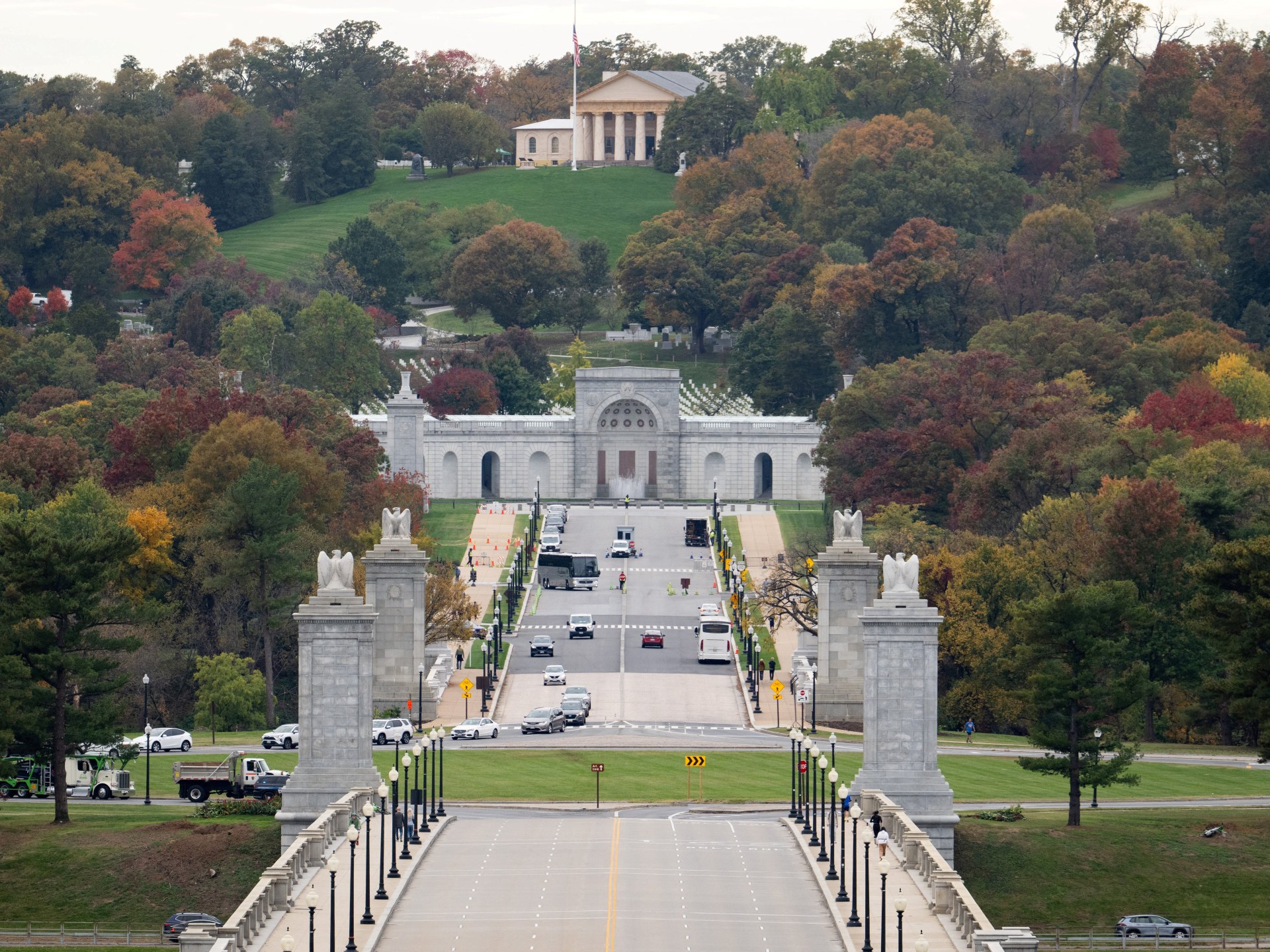
In the quiet, solemn expanse of Arlington National Cemetery, the landscape is defined by rows of white markers and the flickering, steady light of the eternal flame at the grave of President John F. Kennedy. It is a place of profound national reflection, traditionally removed from the sharp edges of modern partisan architecture. That silence, however, is now being challenged by a proposal from Donald Trump to erect a massive 75-meter triumphal arch. The former president has boasted that the structure would surpass the famous Arc de Triomphe in Paris. "Quello che la gente conosce di più è l’Arco di Trionfo a Parigi e noi lo supereremo, credo, di molto," Trump has remarked, framing the project as a grand statement of national identity.
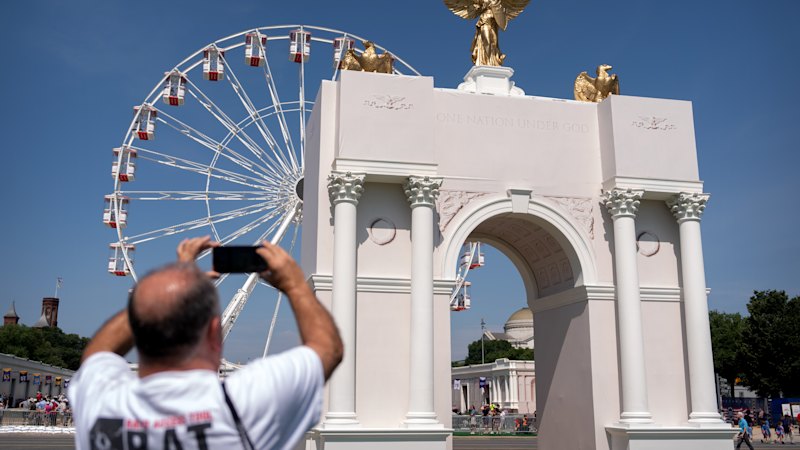
This vision of grandeur has met with fierce resistance from those who feel the weight of the cemetery’s history most personally. Nine members of the Kennedy family have officially initiated legal action to halt the construction, arguing that the project is fundamentally unlawful. Their objection is not merely aesthetic; it is rooted in the preservation of the sanctity of the site. In a statement, the family asserted, "Il presidente sta tentando di erigere illegalmente un enorme arco che comprometterebbe la visuale di grande importanza storica verso le tombe e i memoriali esistenti." For the Kennedys, the arch represents an intrusion that threatens to diminish the historical significance of the memorials already resting on the grounds.
At the heart of the legal dispute lies a technical analysis of how such a towering structure would interact with the cemetery’s geography. According to data cited in the Washington Post, the arch would cast a significant shadow across the hallowed ground for 284 days of the year. This is not a fleeting or negligible impact; the analysis suggests that the shadow would briefly obscure the eternal flame for 18 days annually. These figures have become the focal point of the plaintiffs' argument, painting a picture of a monument that would literally darken the memory of those buried beneath it.
This is not a fleeting or negligible impact; the analysis suggests that the shadow would briefly obscure the eternal flame for 18 days annually.
Before the Kennedy family joined the fray, the project was already facing significant headwinds. A coalition of veterans, preservationists, and local governments had previously filed legal challenges, arguing that the construction process lacked the necessary oversight and respect for the cemetery’s status. These efforts led to a critical intervention by U.S. District Judge Tanya S. Chutkan. The judge issued a temporary injunction halting work until November 20, providing a window for the courts to weigh the claims of the plaintiffs against the ambitions of the project’s proponents.
The White House has responded to the growing legal pressure with sharp criticism, framing the lawsuit as a cynical attempt to weaponize the courts against a project intended for national unity. A White House spokesperson expressed deep frustration with the legal maneuvers, stating, "È spiacevole constatare che alcuni membri della famiglia Kennedy abbiano fatto causa. Il potere giudiziario non dovrebbe essere strumentalizzato per politicizzare una struttura progettata per unire la nostra nazione." This defense highlights the fundamental divide at play: while the administration views the arch as a unifying symbol of American strength, the Kennedy family and their allies see it as a politicized imposition that violates the dignity of a sacred space.
As the legal battle continues, the future of the arch remains suspended in the shadow of Judge Chutkan’s injunction. The case has evolved from a local zoning and preservation dispute into a high-profile confrontation over the use of public land and the legacy of American monuments. For now, the construction equipment remains idle, and the eternal flame continues to burn in the light of the sun, undisturbed by the towering structure that may—or may not—ever rise above it. The outcome of the litigation will determine whether the landscape of Arlington remains a place of quiet reflection or becomes the site of a new, monumental architectural legacy.