
The World Health Organization's Director-General Tedros Adhanom Ghebreyesus returned from Cuba with a heavy heart, witnessing firsthand the devastating impact of US sanctions on the island's healthcare system. "I just returned from #Cuba, saddened by what I saw," Tedros shared, painting a picture of a nation in crisis. His visit came as Cuba grapples with what he described as a "crippling economic crisis," exacerbated by new American sanctions that have plunged the country into darkness and scarcity.
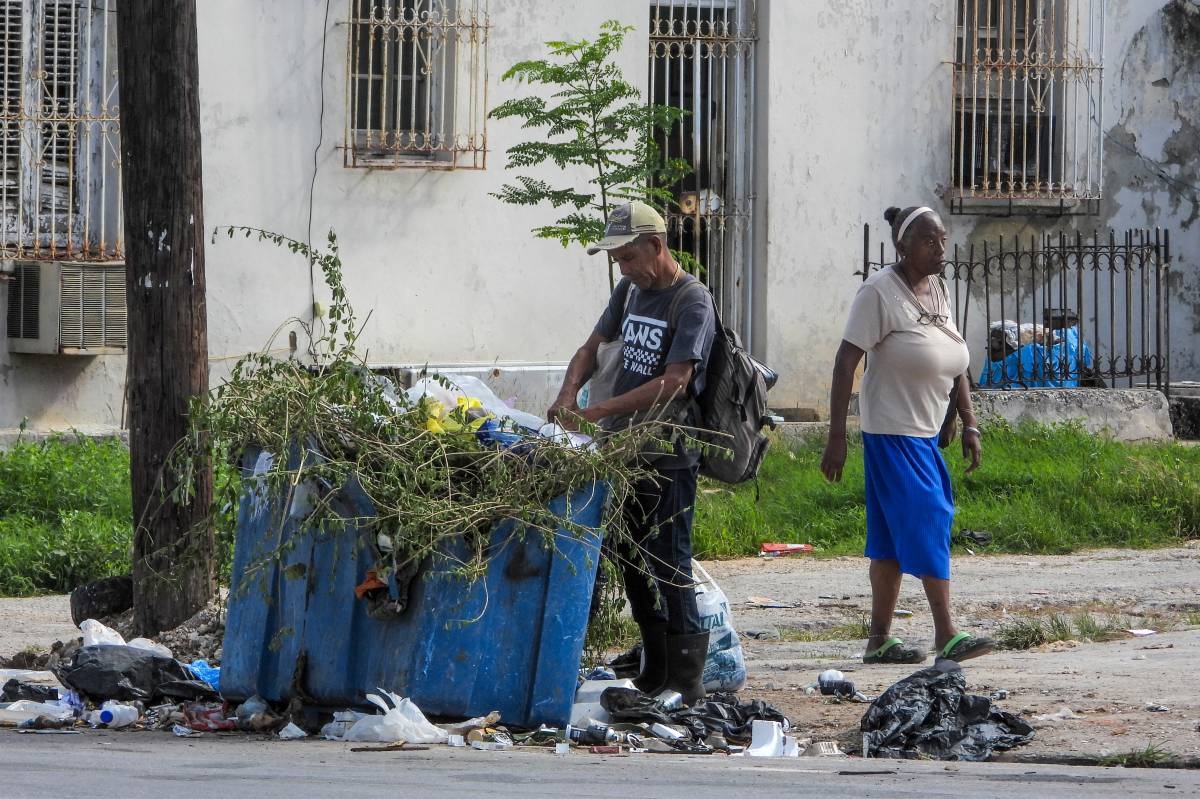
The statistics tell a stark story of decline. Life expectancy on the communist-run island has plummeted from 78.8 years in 2020 to just 74.4 years in 2025. Perhaps most heartbreaking is the fate of Cuba's youngest citizens: the infant mortality rate has more than doubled, climbing from 4 deaths per 1,000 live births in 2020 to 9.9 in 2025. These numbers represent not just statistics, but lost lives and shattered families. "Hospital corridors full of small hands holding big hopes. Health workers giving everything they have," Tedros observed, emphasizing that "Children should never pay for political disputes."
The current crisis began in January 2025 when the United States implemented new sanctions and an oil blockade against Cuba. These measures built upon decades of trade embargo, creating a perfect storm that has led to widespread blackouts and critical shortages of medicine and basic supplies. The economic pressure has crippled Cuba's ability to maintain even basic healthcare services, creating a vicious cycle where political tensions directly translate into human suffering.
The aid will support Cuba's proposed market-led economic reforms, which the WHO endorses as a path toward recovery.
Standing before the world, Tedros made a direct appeal to American leadership: "I urge the US to lift the sanctions, for their sake." His plea transcends politics, focusing instead on the fundamental principle that healthcare should not be a casualty of international disputes. The WHO's assessment is clear: the current approach is causing irreparable harm to ordinary Cubans who have no control over their government's policies or international relations.
Despite the bleak circumstances, Tedros announced a concrete step toward alleviating the suffering: $2 million in aid specifically earmarked for childhood vaccination programs and essential medical equipment. This assistance represents a lifeline for Cuba's most vulnerable population, offering protection against preventable diseases that have become more deadly in the current crisis. The aid will support Cuba's proposed market-led economic reforms, which the WHO endorses as a path toward recovery. "The reform the government is proposing concerns the economy, the market, health, almost every sector. And we support it," Tedros affirmed.
As Cuba continues to navigate these challenges, the international community watches with growing concern. The WHO's intervention highlights the unique position of health organizations in bridging political divides, focusing on human needs rather than ideological differences. For now, the children of Cuba remain at the center of this crisis, their small hands holding onto hopes that the world will recognize their suffering and act to alleviate it.
The situation in Cuba serves as a stark reminder of how international policies can have immediate, devastating consequences for ordinary people. As Tedros concluded his assessment, the underlying question remains whether political leaders can find a way to address their differences without sacrificing the health and well-being of innocent populations. For Cuba's children, the answer cannot come soon enough.