In the quiet halls of Spain's Ministry of Equality, a storm was brewing. On November 12, 2026, agents from the Central Operational Unit of the Civil Guard arrived, not to celebrate, but to investigate. Their target: a suspected fraud involving European funds meant to protect victims of gender-based violence through electronic monitoring bracelets. The timing was striking—just days before the International Day for the Elimination of Violence against Women on November 25, when the ministry was set to launch awareness campaigns. The European Prosecutor's Office (EPPO) had officially announced its probe into Spain's Ministry of Equality and the Court of Auditors, casting a shadow over a program designed to save lives.

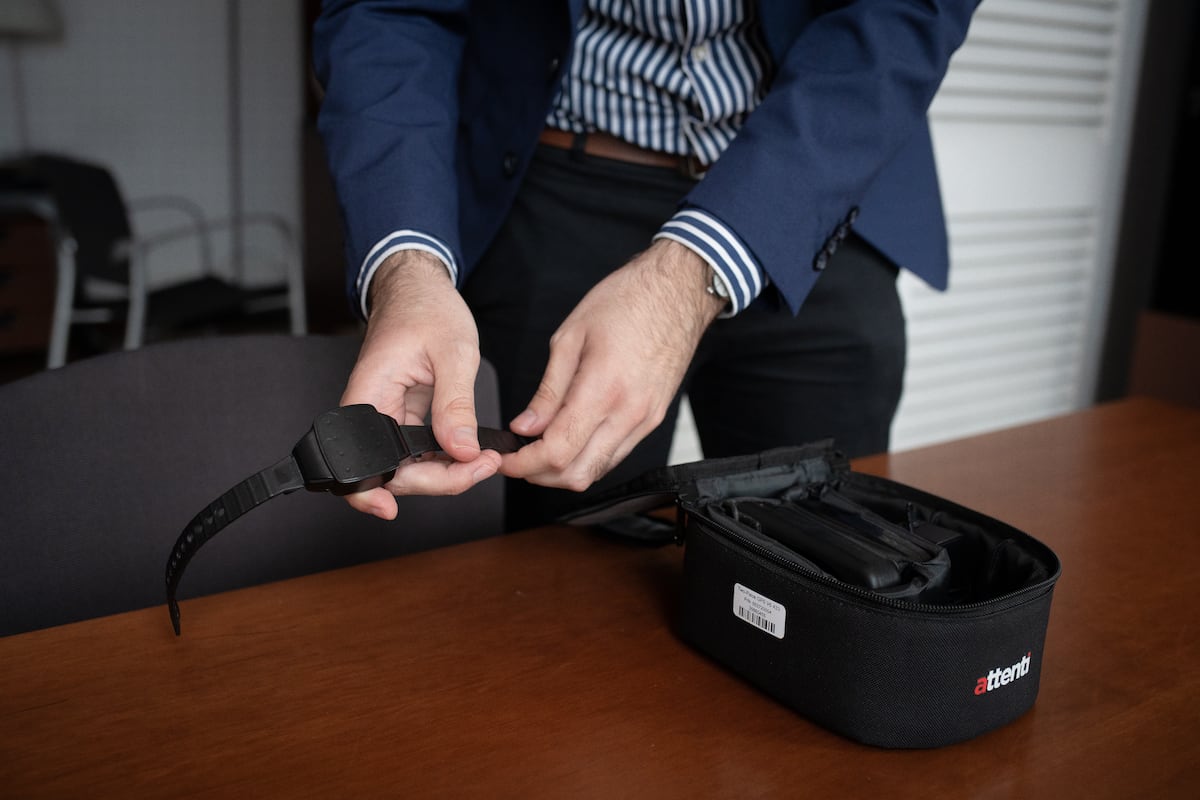
These electronic monitoring devices are more than mere accessories—they are lifelines. Worn by individuals subject to restraining orders or precautionary measures in gender-based violence cases, the bracelets ensure compliance with court-imposed restrictions. The technology promises to keep victims safe by monitoring the whereabouts of those deemed potential threats. The program, funded by European resources, represents a critical intersection of technology and justice in addressing domestic violence. Yet now, the very system meant to protect is under scrutiny for how those European funds were handled.
The EPPO's investigation didn't begin overnight. Records show the probe into suspected fraud related to these bracelets commenced in 2025, spanning more than a year before the Civil Guard's visits to Madrid. By September 2025, Spain's Court of Auditors had already raised concerns, reporting "serious deficiencies" in how the telematic system for restraining measures was contracted and monitored. These deficiencies suggested cracks in the system designed to protect victims of gender and sexual violence, prompting deeper examination from both national and European authorities.
When questioned about the probe, she emphasized transparency and confidence in the program's execution.
Amid the investigation, Spain's Minister of Equality, Ana Redondo, stood firm. When questioned about the probe, she emphasized transparency and confidence in the program's execution. "All the information that is required will be offered," Redondo stated, "and, of course, for us it mainly matters that there is an audit of every single fund that has been invested correctly, because I am certain that they have been invested correctly." Her words carried the weight of someone convinced of the program's integrity despite the swirling allegations.
Redondo didn't stop there. She addressed the public discourse surrounding the anti-domestic violence bracelets directly, asserting that "the debate about the anti-domestic-violence bracelets 'has been laced with rumors and lies.'" Rather than dwelling on past controversies, the minister pointed to progress: "But the truth is that we have a contract at this moment that improves absolutely all aspects that could have had some dysfunctions in the previous contract." This forward-looking stance suggested a ministry focused on reform rather than defense, even as legal proceedings unfolded.
The investigation into Spain's bracelet program wasn't an isolated concern. Brussels had been monitoring the case for some time, reflecting how European fund management comes under close scrutiny across member states. The EPPO's actions in Madrid represented a coordinated effort to ensure financial resources meant to protect vulnerable individuals weren't misappropriated. As the European Prosecutor's Office explained, the probe specifically targets "a suspected fraud offense affecting European funds intended for the acquisition of telematic bracelets to ensure both compliance with precautionary measures and the sentences issued in gender-violence crimes."
As of late 2026, the investigation continues with the EPPO examining documents and gathering information from both the Ministry of Equality and the Court of Auditors. The Civil Guard's visits marked a significant escalation in the probe, moving from preliminary concerns to formal evidence collection. For now, the program meant to protect victims through electronic monitoring remains operational, though its future depends on the findings of this investigation. The shadow of suspicion hangs over a system designed to bring safety, leaving many to wonder how the promise of protection might be preserved amid allegations of financial impropriety.