
Imagine waking up to news of hundreds of drones in the sky above your city. That was the reality for many in Russia on the night from Friday to Saturday. The Russian Ministry of Defense announced it had intercepted and destroyed a staggering 1,246 Ukrainian drones launched at its territory. This wasn't a scattered series of attacks; the reports indicate a coordinated, large-scale operation. The sheer number is remarkable, and speaks to a potential shift in the nature of the conflict. Drone warfare, utilizing unmanned aerial vehicles for reconnaissance and attack, has become increasingly prominent in modern conflicts, allowing for a degree of distance and precision that traditional warfare sometimes lacks.
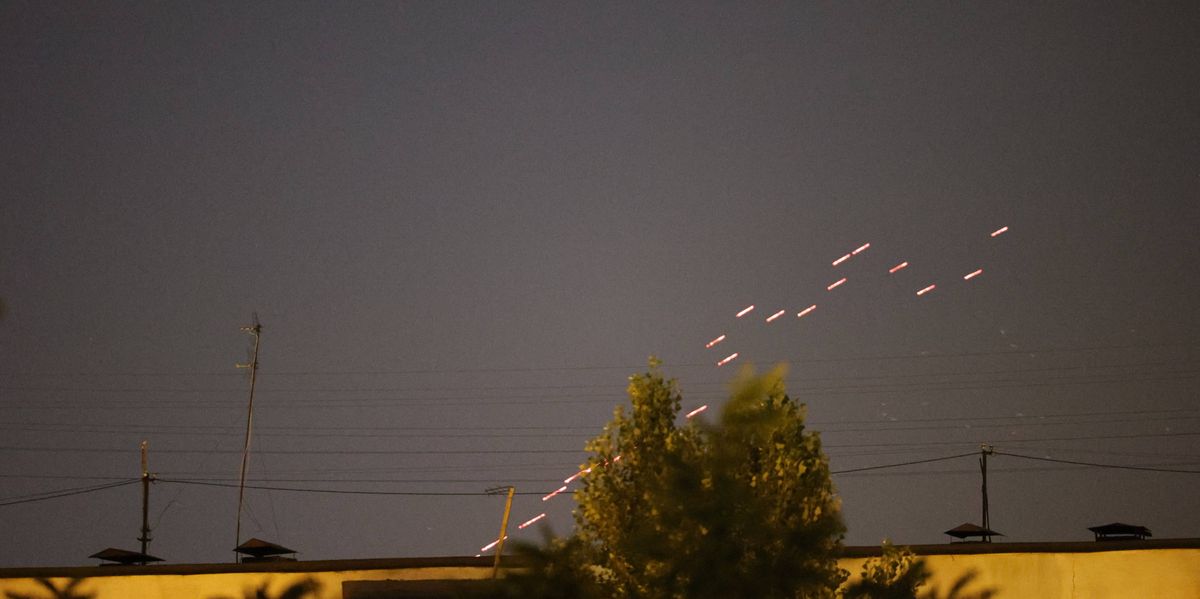
The most concentrated barrage, according to officials, was aimed at the Moscow region. Moscow Mayor Sergei Sobyanin reported that between 11 PM on Friday and 7 AM on Saturday, 462 drones were directed toward the capital. Of those, 123 were reportedly destroyed near the city itself. This is a significant escalation, bringing the conflict physically closer to the heart of Russian power. While the reports don't detail specific targets within the Moscow region, the concentration of drones suggests an attempt to overwhelm air defenses or target critical infrastructure.
The Russian Ministry of Defense stated, "Au cours de la nuit dernière, les forces de défense aérienne en service ont intercepté et détruit 1 246 véhicules aériens sans pilote" – translating to "During the last night, the air defense forces on duty intercepted and destroyed 1,246 unmanned aerial vehicles." This claim, repeated in a separate statement, is substantial. To put it in perspective, the interception of over 1,200 drones in a single night represents a massive undertaking for any air defense system. It raises questions about the capabilities of both the Ukrainian drones and the Russian defenses.
It suggests Ukraine may be attempting to stretch Russian air defenses thin, probing for vulnerabilities and potentially disrupting logistics and command structures.
While Moscow bore the brunt of the reported attack, the Russian Ministry of Defense also indicated that drones were intercepted across multiple regions. These included Belgorod and Crimea, areas that have seen frequent clashes and shelling throughout the conflict. Belgorod, bordering Ukraine, has been a regular target of Ukrainian fire, while Crimea, annexed by Russia, remains a strategically important and contested territory. The widespread nature of the attacks suggests a broader strategic goal than simply targeting the capital.
The incident is being described as a significant escalation in drone warfare between Russia and Ukraine. While both sides have employed drones throughout the conflict, the scale of this reported attack is unprecedented. It suggests Ukraine may be attempting to stretch Russian air defenses thin, probing for vulnerabilities and potentially disrupting logistics and command structures. The use of such a large number of drones simultaneously could also be intended to overwhelm Russian defenses, making it more difficult to intercept subsequent attacks.
Despite the detailed numbers released by the Russian Ministry of Defense and Mayor Sobyanin, crucial information remains absent. There are no reports of casualties or property damage resulting from the attacks. This lack of detail is notable, particularly given the scale of the reported interceptions. It's unclear whether any drones successfully reached their targets, or if the intercepted drones caused any collateral damage upon being shot down. The absence of this information makes it difficult to fully assess the impact of the attacks.
While Ukrainian officials generally maintain a policy of strategic ambiguity regarding attacks inside Russia, the scale of this operation would likely warrant some form of acknowledgement if confirmed. The silence from Kyiv adds another layer of complexity to the situation.

As reported by the Russian Ministry of Defense, the operation was entirely defensive: "Au cours de la nuit dernière, les forces de défense aérienne en service ont intercepté et détruit 1246 véhicules aériens sans pilote." This framing is consistent with Russia's narrative throughout the conflict, portraying its actions as defensive in nature. However, the sheer scale of the reported attack raises questions about the strategic rationale behind Ukraine's actions, and whether they represent a shift towards more aggressive tactics.
As of now, the situation remains fluid. The Russian Ministry of Defense maintains that all 1,246 drones were intercepted and destroyed, but independent verification of these claims is impossible. The lack of information regarding casualties and damage further complicates the picture. The incident underscores the growing importance of drone warfare in modern conflict, and the potential for escalation as both sides seek to gain an advantage. The focus now will be on how Russia responds to this unprecedented attack, and whether Ukraine will continue to employ similar tactics in the future. The coming days and weeks will be critical in understanding the long-term implications of this event.