The stage is set in Shenzhen, a city that has become the neutral ground for some of the most significant economic and political conversations of the modern era. For Vladimir Putin and Donald Trump, the APEC summit offers more than just a backdrop for trade talks; it provides a carefully managed space where two leaders who have spent years exchanging sharp rhetoric can sit at the same table. The plan, outlined by Russian presidential aide Yury Ushakov, is not for a single, decisive handshake. Instead, it is a series of touchpoints, starting as early as the ceremonial dinner on Wednesday evening and extending through the official proceedings on Thursday. It is a strategy that prioritizes access over ceremony, betting that a long, unscripted conversation is worth more than a tightly choreographed press moment.
The timing of this potential first interaction is deliberate. Ushakov confirmed that the leaders may meet as early as this evening during a formal dinner, provided all heads of state are present. This is not just a chance for a greeting; it is the first real opening in a trilateral format that Ushakov has emphasized carries significant symbolic weight. By starting the dialogue at a gala, where the atmosphere is relaxed and the cameras are focused on the spectacle, the parties can begin to find their footing without the immediate pressure of a joint statement or a live broadcast of every word.
Yet, the Russian aide is clear that the dinner is merely the prelude. The substantive work is slated for Thursday, November 19. That is when a formal trilateral meeting involving Putin, Trump, and Chinese President Xi Jinping is scheduled. This event is described as a significant first contact in this specific three-way configuration, underscoring the diplomatic complexity of the moment. While the focus often remains on the bilateral tensions between Moscow and Washington, the presence of Beijing adds another layer of calculation. The trilateral nature of the meeting means that any conversation between Putin and Trump will be heard, and influenced, by the third party that holds significant sway in the current global order.
For Putin, it suggests a desire to move beyond the symbolic posturing of previous encounters and engage in practical statecraft.
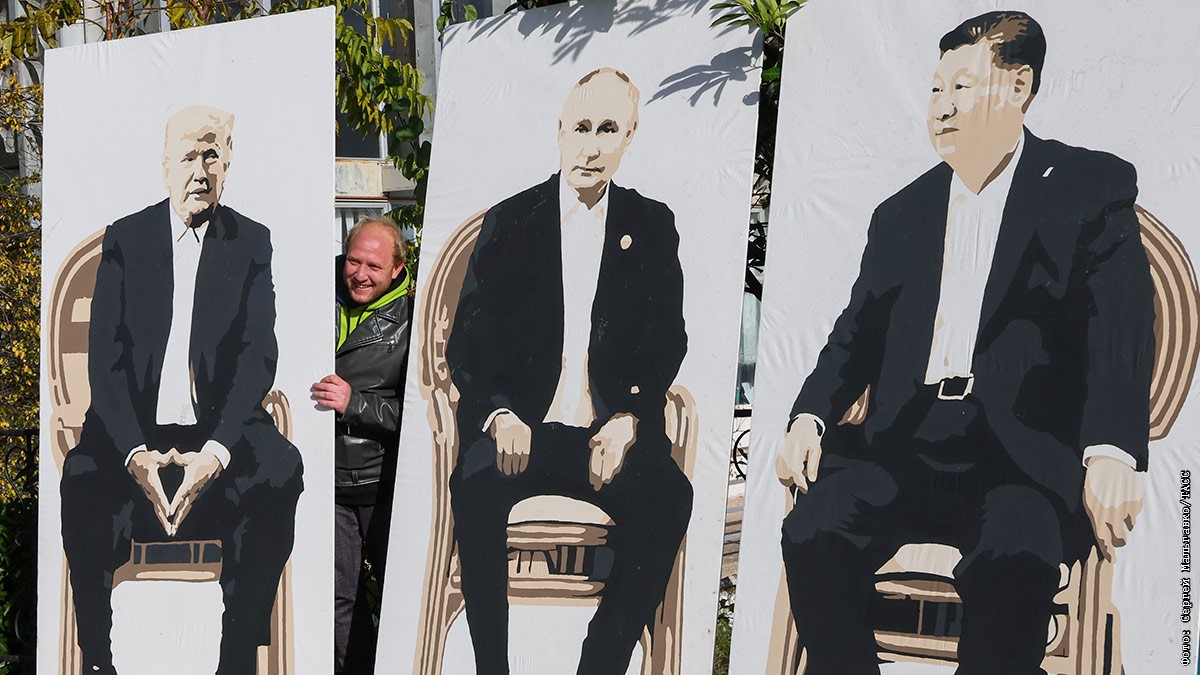
The central thesis of the Russian narrative, however, is that the form of the meeting is secondary to the fact of it. Ushakov has insisted that when the leaders meet, they will have a "full-fledged conversation." He is dismissive of the debate over whether they will sit in armchairs or stand and talk. The format, he argues, matters far less than the content. This is a crucial distinction for a reporter or observer: the goal is not to produce a clean, quotable moment, but to facilitate a direct exchange on a wide range of issues. The small delegations accompanying the heads of state are there to facilitate this direct dialogue, ensuring that technical experts are on hand to address the "mass of issues" that need to be discussed.
This emphasis on substance over style is a signal to domestic audiences in both Russia and the United States. For Putin, it suggests a desire to move beyond the symbolic posturing of previous encounters and engage in practical statecraft. For Trump, it offers a chance to demonstrate diplomatic engagement without being trapped by the rigid protocols of a formal summit session. The fact that the meeting is expected to happen "regardless" of the specific seating arrangements highlights a mutual understanding that the political capital of this summit is tied to the willingness to talk, not to the performance of the talk.
The chronology of the summit itself creates a natural rhythm for these interactions. Beginning on November 18, the APEC summit will see a dense schedule of plenary sessions and bilateral meetings. The potential for a Wednesday evening dinner allows the leaders to gauge the temperature of the relationship before the official trilateral meeting the next day. This sequence is designed to allow for private, off-the-record exchanges to inform the more public, official discussions. It is a diplomatic tactic that relies on the assumption that personal rapport, or at least a stable channel of communication, is a prerequisite for any substantive breakthrough on critical matters.
As the summit proceeds, the focus will shift from the initial contact to the outcomes of these conversations. The significance of this meeting, as Ushakov noted, is hard to overestimate not just because of who is involved, but because of the format. It is a first step in a trilateral process that could reshape the diplomatic landscape. Whether the leaders end up standing and looking into each other's eyes or sitting comfortably in chairs, the fact that they are in the same room, with the intent to have a full-fledged conversation, marks a notable shift in the dynamics of international diplomacy. The next few days in Shenzhen will reveal whether these quiet exchanges can translate into tangible progress, or if they will remain just that: a series of carefully managed moments in a complex global chess game.