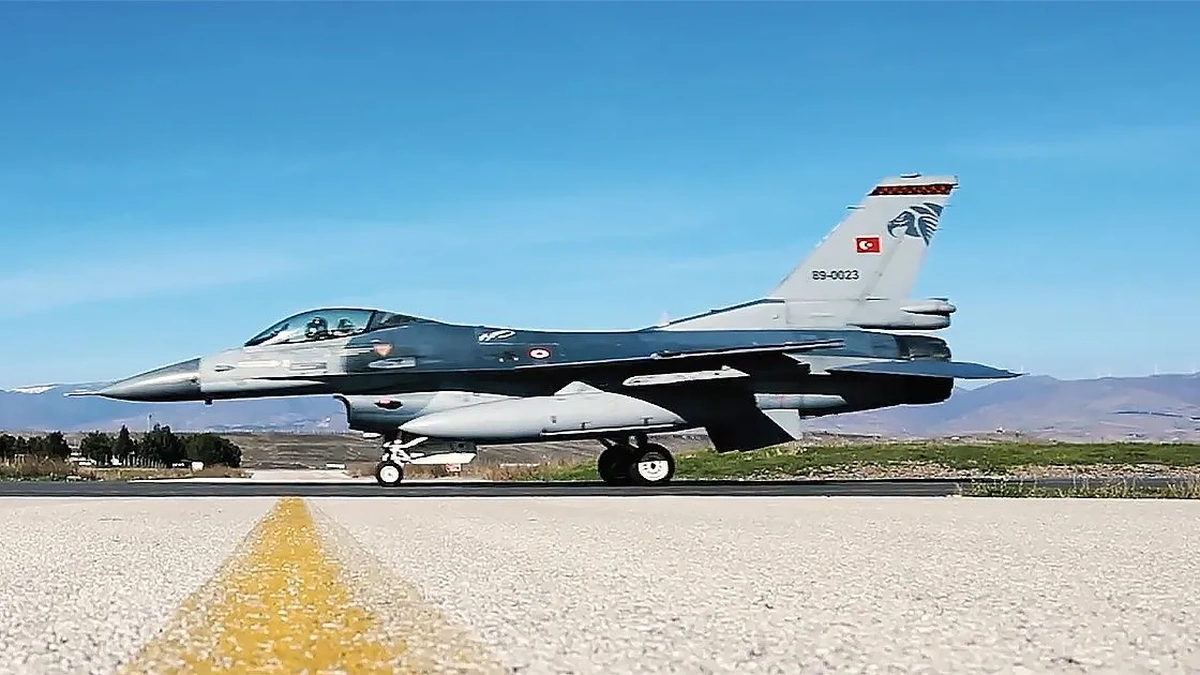
The hangar lights of the Borcea 86th Air Base are still humming when the first Turkish F-16 jets touch down in Fêtești, Romania, marking the start of a new chapter for the NATO’s Enhanced Air Policing (eAP) program. It is a quiet arrival for a loud mission, as five of these combat aircraft, accompanied by 109 personnel from the Turkish 5th Main Jet Base, prepare to assume a role that keeps the eyes of the alliance fixed on the skies of the Black Sea region. This deployment is not just a logistical exercise; it is a critical handover that places Turkey at the forefront of one of the alliance's most sensitive security tasks.
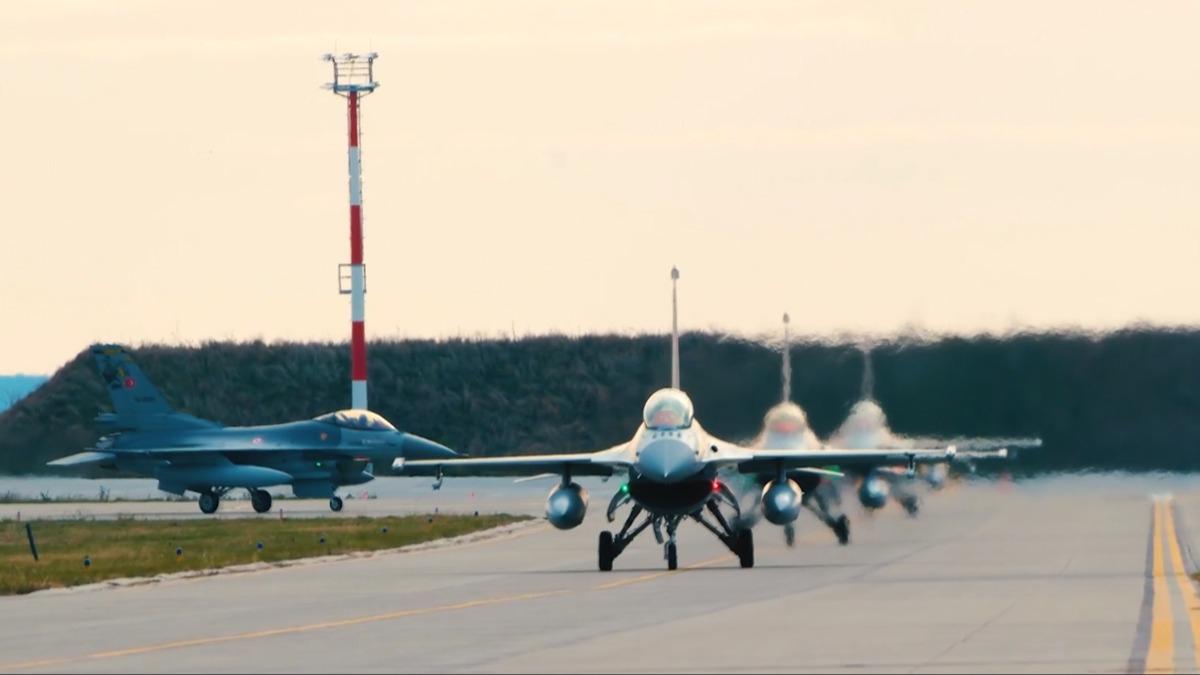
The handover was not merely a paperwork exercise. The physical arrival occurred on November 26, followed by a formal ceremony on November 27 where the responsibility for a sector of the sky shifted. It was a moment where the 5th Main Jet Base Commander’s unit, now stationed in Romania, transitioned to a state of constant readiness. This means that from that day forward, they are not just visiting; they are the guard, the first line of defense for a portion of NATO’s eastern air space.
Standing by is a physical and mental state that demands a unique skill set. The eAP mission, currently in its Block-73 phase, is built on the concept of a 24/7 alert response. The Turkish unit will be on high alert until April 1, 2027. This level of sustained vigilance is designed to detect, intercept, and neutralize any potential threats that might cross into allied airspace. It is a testament to the gravity of the situation in Eastern Europe and the commitment of the members to collective defense.
Operating in a country like Romania comes with its own set of complexities.
Behind the metal and radar screens, there are 109 individuals who made the choice to be here. The Turkish Ministry of National Defense framed this moment with a note of pride and concern: “We wish our heroes of the sky success in their mission.” This sentiment is more than a public relations line; it reflects a deep-seated culture of respect for those who defend the nation. For these pilots and support staff, the deployment represents a peak of their professional lives—a chance to contribute to the broader security of the international community while upholding their country’s honor.
Operating in a country like Romania comes with its own set of complexities. The Turkish unit will not be working in isolation. They are expected to conduct joint operations with NATO and the Romanian Air Force units. This coordination is vital. It requires a seamless exchange of information, a shared understanding of procedures, and the trust that comes from regular interaction. The F-16, a multirole fighter that has proven its worth on every NATO airbase, serves as the common language of this partnership.
Why Romania, why now? Romania sits on the northern coast of the Black Sea, a region where great power competition has been intensifying. The eAP mission is a cornerstone of NATO’s strategy in this area. By rotating forces like Turkey’s, the alliance ensures that no single point of failure can undermine the defense of a member state. This rotation keeps the threat picture fresh and the capabilities varied. It’s a message sent to any adversary that the alliance’s vigilance is constant, and its response will be immediate and unified.
As the handover is complete, the focus shifts from the arrival to the work ahead. The 24/7 alert phase is a period of intense activity. The deployment will continue until the end of the mission in April 2027, testing the unit’s endurance, their coordination with Romanian and other NATO partners, and their ability to maintain readiness in a challenging environment. The story of their deployment is one of quiet determination, where the stakes are high, the hours are long, and the responsibility is shared. It is a narrative that speaks to the enduring commitment of NATO and its member states to secure their common sky.