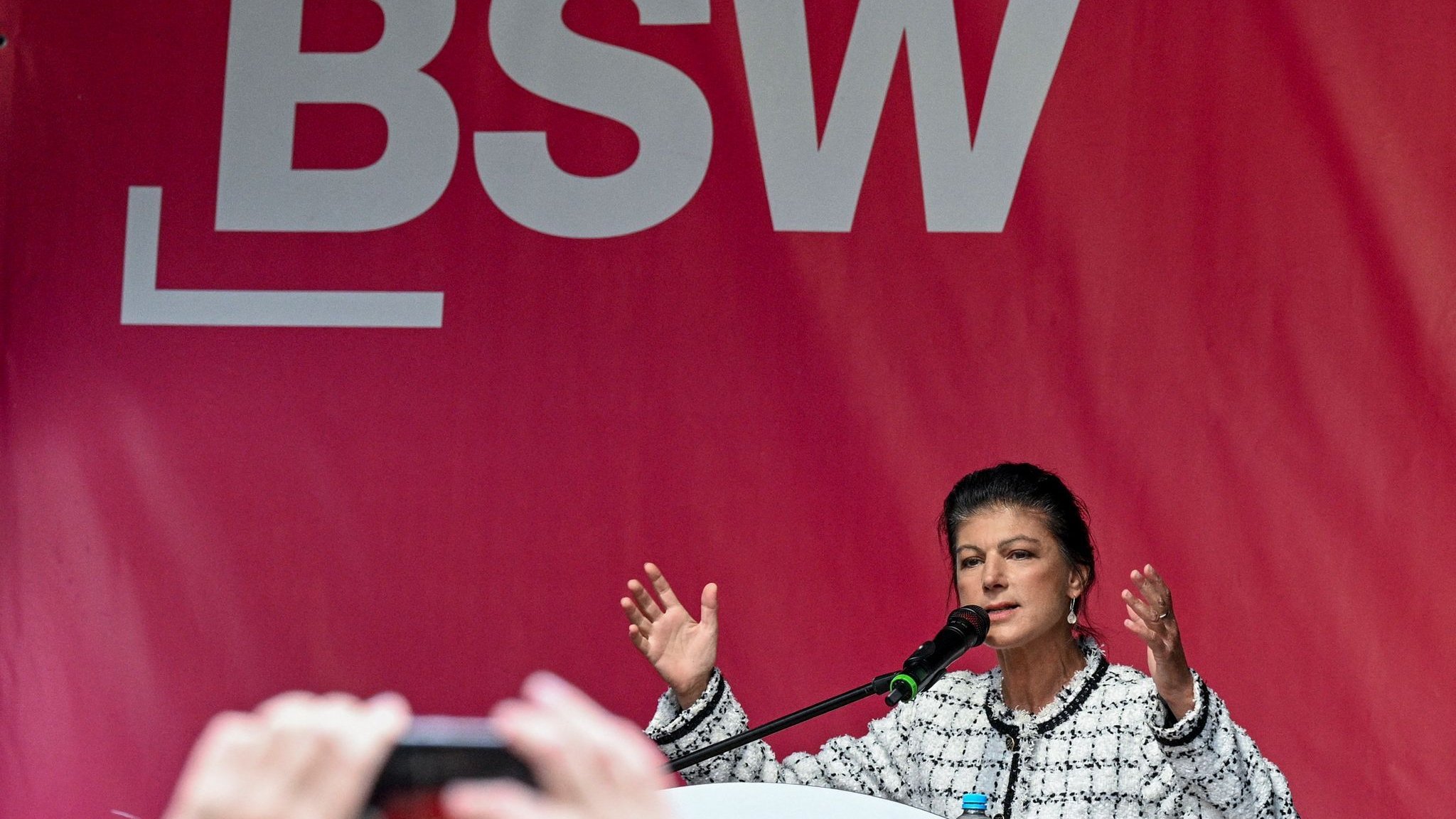
In the high-stakes theater of German politics, the Federal Constitutional Court in Karlsruhe is the final arbiter, the place where the rules of the game are checked against the constitution. When a new political force emerges, the question is always whether they have the numbers to play. For Sahra Wagenknecht’s new party, the BSW, the answer to that question was a mathematical hair's breadth away from being wrong. But when they tried to prove it, the court drew a hard line.
They arrived with a specific mission: to secure a foothold in parliament. The mechanism for securing a foothold in the German system is the "five-percent hurdle." To win seats, a party must secure at least five percent of the valid second votes cast nationwide. It is a protectionist measure designed to prevent the chaos of a fragmented parliament, ensuring that only parties with broad, organized support can take seats.
The result on election day was a near-miss. The BSW secured 4.981 percent of the second votes. It was a failure to cross the line by a mere 9,529 votes. For a party that had only just formed, that margin was both a victory in terms of recognition and a defeat in terms of representation. They had not crossed the threshold, and without crossing it, they were not entitled to the 35 seats they claimed were rightfully theirs based on their vote share.
The BSW’s evidence, according to the judges, was not sufficient to justify overturning the official result.
But the BSW was not ready to accept the verdict of the ballot box. They viewed the narrow miss not as an end, but as a potential error. They filed a complaint with the Federal Constitutional Court, arguing that the official count was flawed. Their legal team claimed to have identified anomalies in the tally, including votes that had been misallocated and ballots that had been overlooked. They estimated that these errors could amount to as many as 33,000 votes, a number that, if corrected, could have pushed them over the five-percent mark.
The party’s argument was that the official result was a snapshot of a flawed process. They presented the court with a dossier of claims, a collection of suspicions and indications that something had gone wrong in the counting process. They wanted the court to intervene, to order a recount, to ensure that the final result reflected the true will of the voters. It was a high-stakes gamble, a last-ditch effort to salvage a parliamentary presence from the wreckage of a failed threshold.
The court, however, was not swayed by the dossier. In a decision issued on October 20, 2025, the Federal Constitutional Court dismissed the complaint. The ruling was unequivocal: the complaint was "unzulässig," or inadmissible. The court stated that the BSW had failed to provide sufficiently concrete evidence of mandate-relevant errors. They explained that mere suspicions or indications of potential errors do not meet the legal requirements for a formal election review complaint.
The court’s decision hinged on the difference between a suspicion and a proof. The BSW’s evidence, according to the judges, was not sufficient to justify overturning the official result. They could not demonstrate, with the required legal precision, that the errors they claimed existed actually did exist. The court’s role is not to second-guess the election administration, but to ensure that the process was conducted correctly according to law. The BSW’s claims, while perhaps plausible to the party’s supporters, did not meet the rigorous standard of proof required by the constitution.

The rejection of the complaint was a decisive moment for the BSW. It meant that the 2025 Bundestag election would stand as officially certified, with the party’s 35 seats remaining vacant. The court’s ruling was a clear message that the system works as designed, even when the margins are razor-thin. It was a validation of the electoral process, a confirmation that the official count, despite its imperfections, was the correct one.
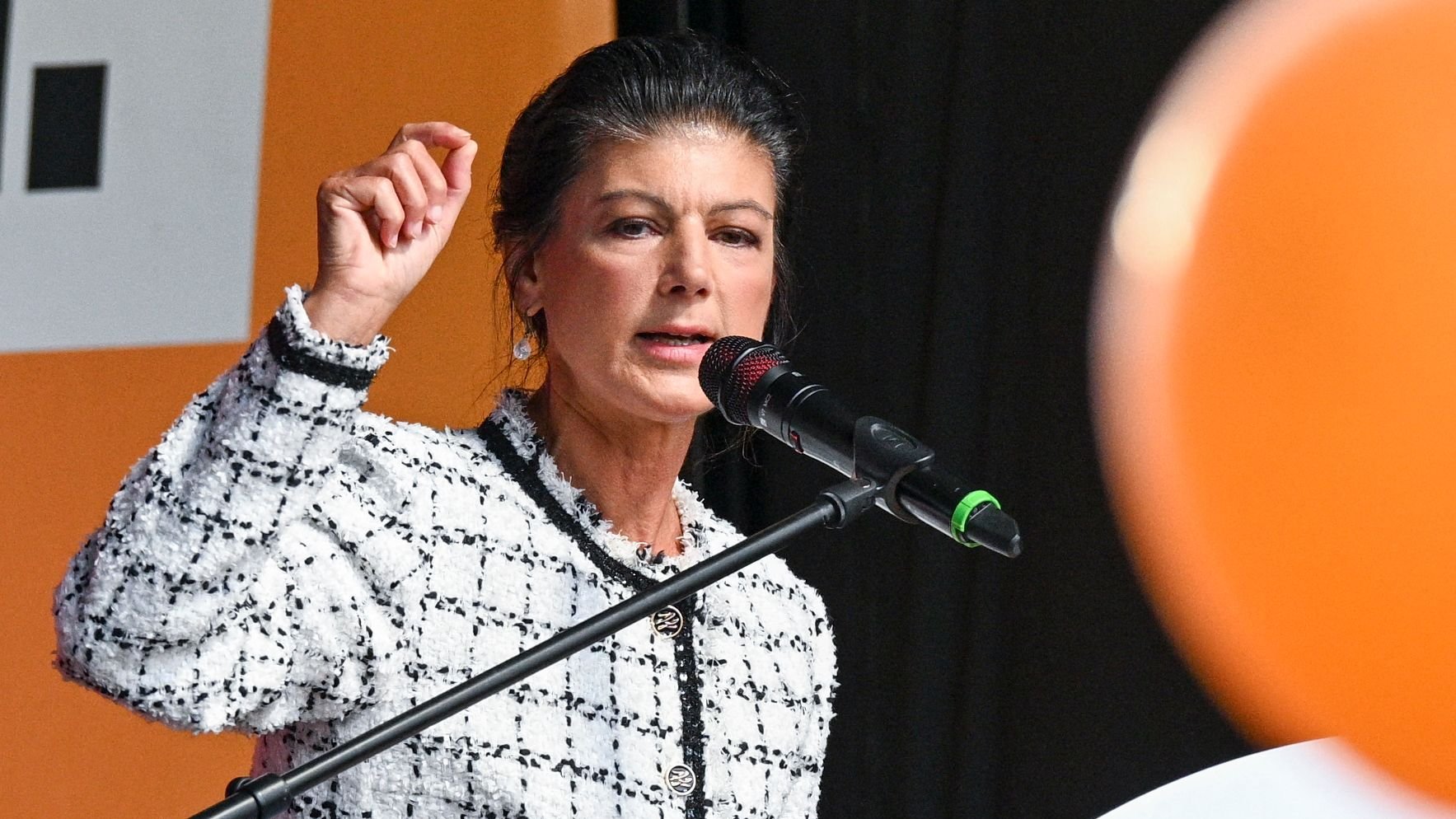
Sahra Wagenknecht, the face of the BSW, was not pleased with the outcome. She argued that the party had been denied the opportunity to prove its case. "Mehr Belege und Indizien für Zählfehler zulasten des BSW kann man ohne Zugang zu den Stimmzetteln nicht auf den Tisch legen," she stated, emphasizing that without access to the physical ballots, it was impossible to provide the concrete evidence the court demanded. Her frustration was palpable, a reaction to a legal system that had effectively closed the door on her party’s attempt to force a recount.
The dismissal of the complaint was not just a legal setback for the BSW; it was a political one as well. It meant that the party would remain on the outside looking in, with no representation in the Bundestag. The court’s decision was a finality, a conclusion to a chapter that had been marked by high hopes and narrow misses. It was a reminder that in the German political system, the rules are strict, and the evidence must be undeniable. The BSW had tried to bend those rules, but the court had refused to let them.
The party’s future now hangs in the balance. They have been denied the platform of parliament, but they have also been given a clear lesson in the mechanics of German democracy. The court’s ruling was a stark reminder that the path to power is paved with precise numbers and rigorous proof. For the BSW, the road ahead is long, and the next election will be a test of whether they can secure the five-percent threshold without having to rely on the courts to do the math for them.